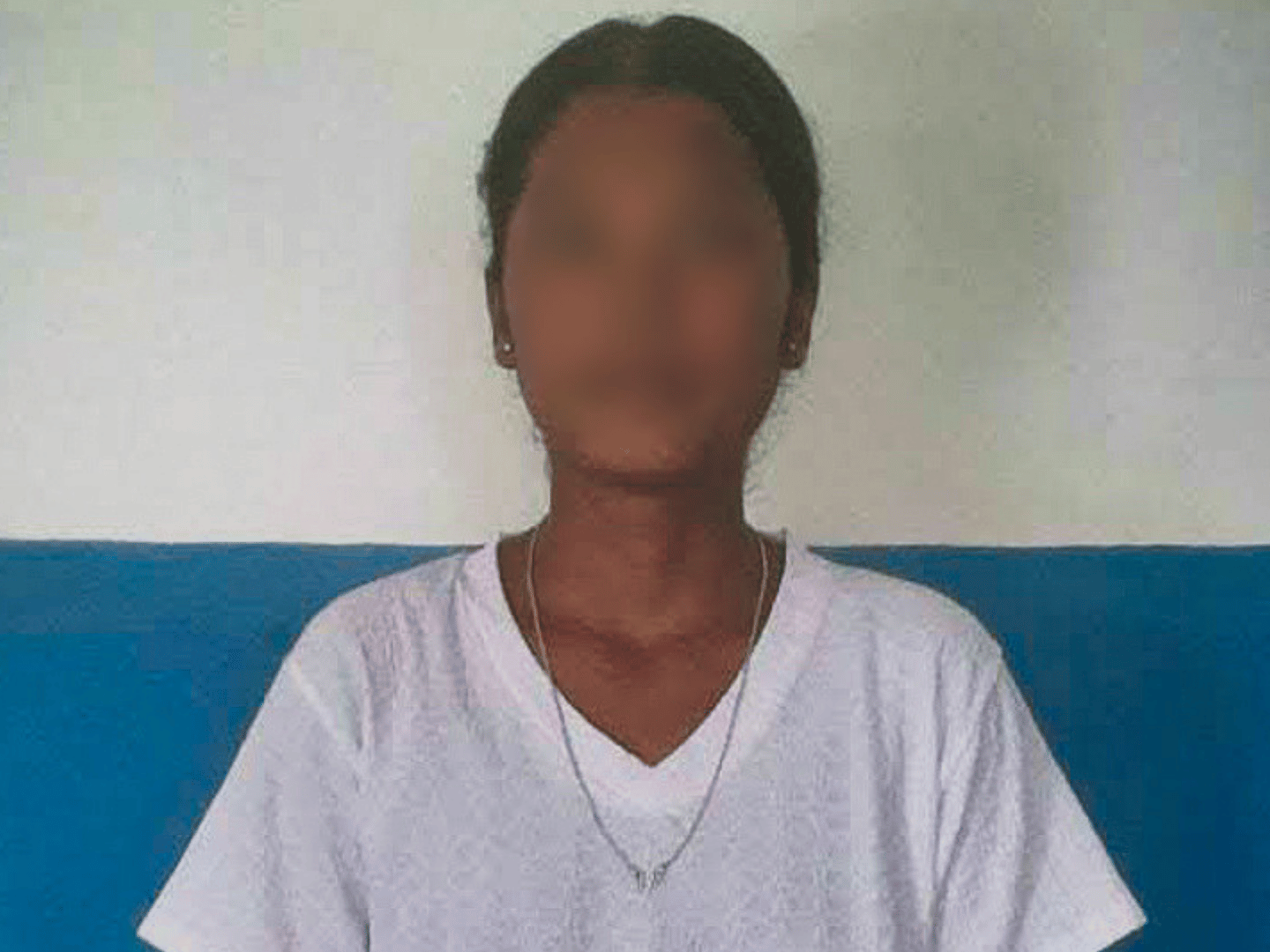
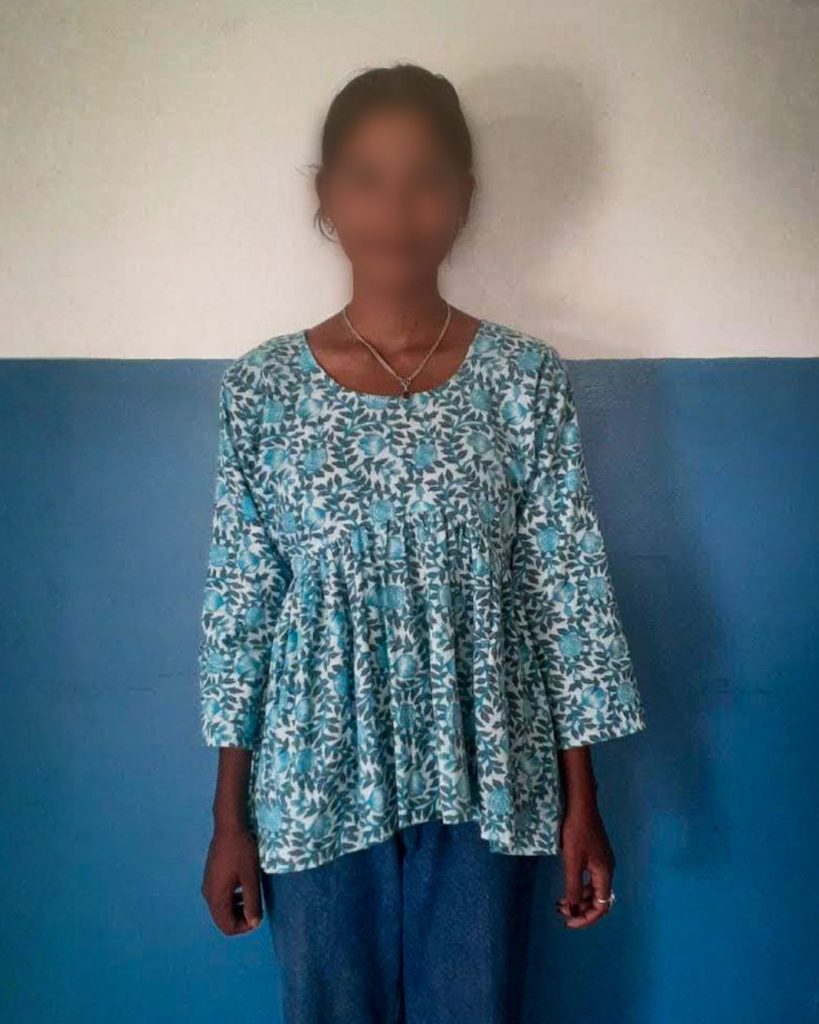
Nepali women are taught at a young age that family is the most important thing of all. They grow up learning how to care, love, and sacrifice for their loved ones. Shanti* (21) is a simple Nepali girl who came from a poor family of four composed of her parents, her, and her sister.
All her life, her parents have been providing for them, and she is grateful for it. So when her parents fell ill and were unable to work, she knew she needed to step up. Shanti could not keep coming to school knowing her parents were ill at home and her sister was starving, so she dropped out and sought job opportunities.
One day, a man from India visited her village and claimed to be looking for people to work at a hotel in India. He enticed people by describing the working conditions: free food and accommodation, with a good salary. Her parents were the first to hear this pitch from the Indian man, and they were convinced that Shanti would be perfect for the role. This way, she can start earning money while also supporting the family. Shanti, with her love for her family, happily agreed to go with the man to India.
Upon reaching India, her expectations were met far differently. Her identification documents and money were confiscated, and she was taken to an unfamiliar location in Delhi, where she was forcibly confined in a house. Soon, she discovered that she was being targeted for forced involvement in prostitution under the guise of employment.
When she tried to fight back or run away, she was threatened by severe physical violence. She was punished by denying her food, and was warned that she would be killed and buried if she refused to comply with the clients’ sexual advances. Unfortunately, she was not alone in all the abuses there. She also witnessed the exploitation of the other women there. Knowing that she had nothing to lose anymore, she slowly built an allegiance with the other girls to escape and return to Nepal.
They were successful in their quest for freedom. Shanti got home, relieved, but it was short-lived. She remembered why she had to leave in the first place. Her family’s condition remained unchanged: still poor, hungry, and hopeless. In fact, it was worse. The word about her trafficking experience spread, and instead of empathy, she was faced with stigma from her fellow villagers. She feared seeking opportunities due to her past experience. Once again, she felt like she had nothing to lose.
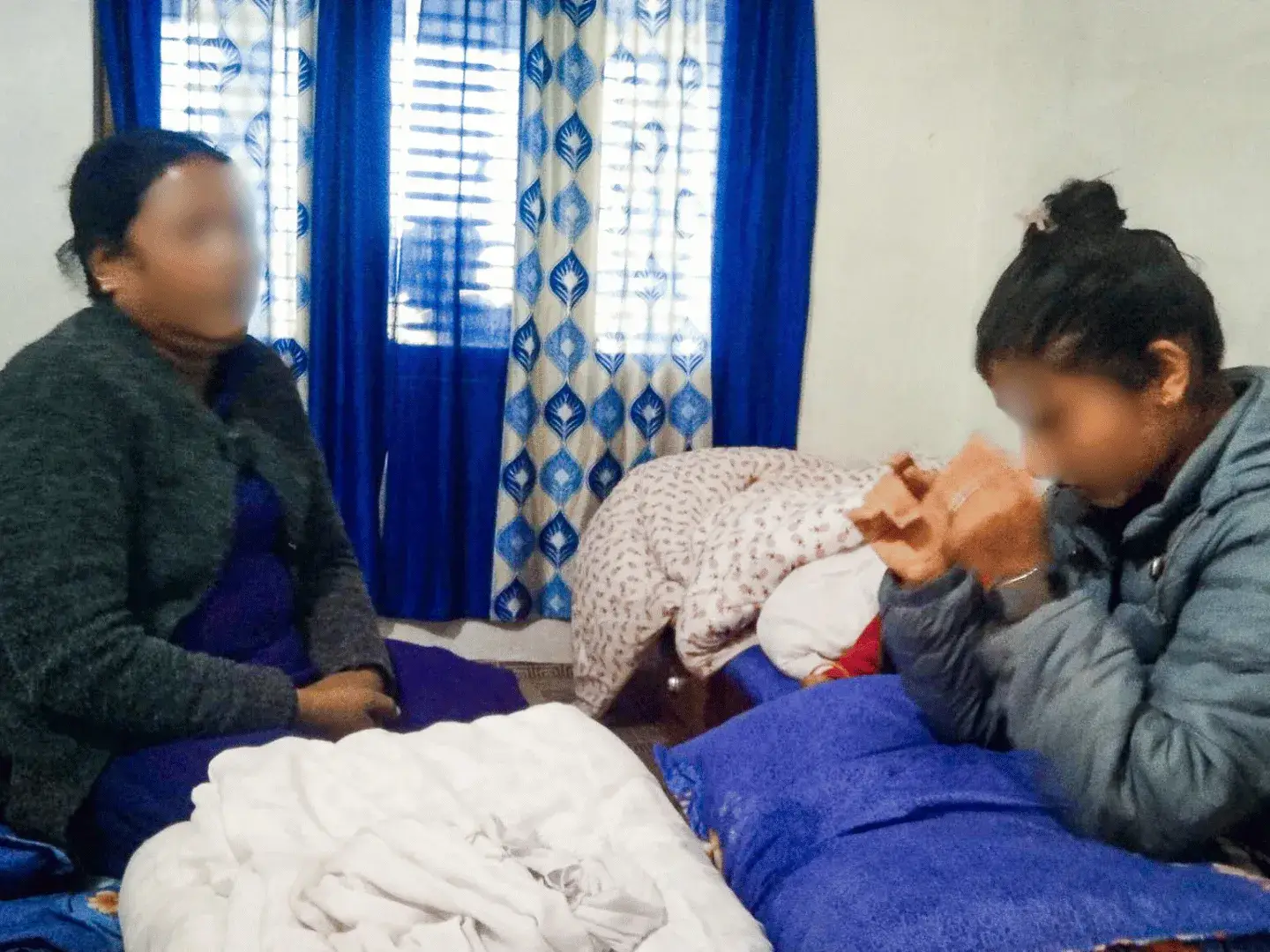
When she was just about to lose hope, she met our staff whom she shared her story with. Immediately, she was referred to our Women’s Safe Haven and Vocational Center for rest, recuperation, and livelihood training. Sometimes a person could no longer function because they are pouring from an empty cup. She receives regular counseling to get her back on her feet—slowly, day by day.
*Name changed for privacy.
Our Partners

Be a Part of the Solution
Help support the annual operating costs of the Women’s Safe Haven and Vocational Center, assisting women and girls in healing from trauma and rebuilding their lives.
Your donation can change lives.