Our Pig Farming Program aims to increase families’ overall income and ensure that they can sustainably support their children’s education and well-being. We hope the families can earn a profit of CNY 5,000 to 8,000 [USD 700 to 1,120] per year from the pig business. We would like to share one of our beneficiaries’ stories, Jimo Shixi.
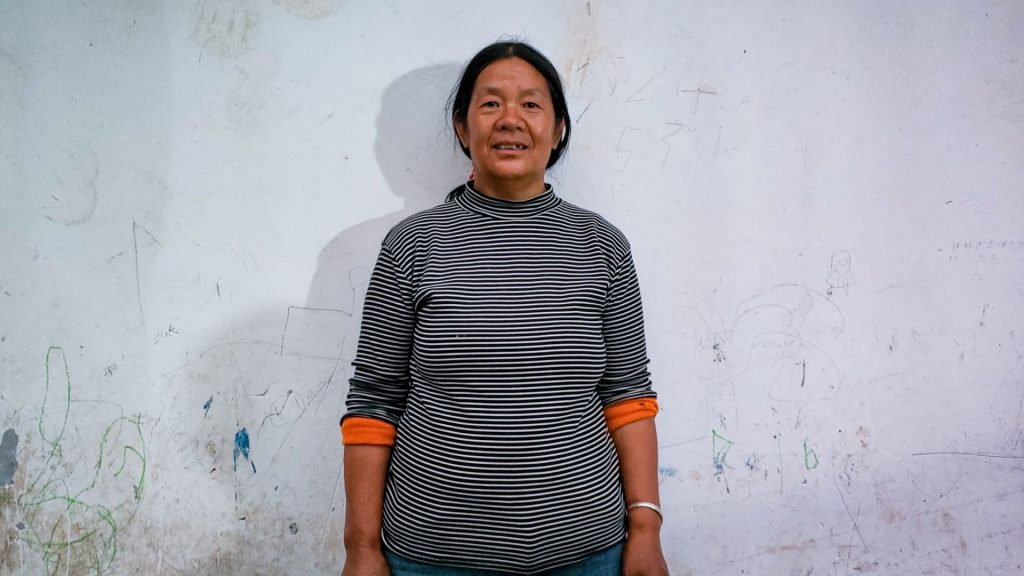
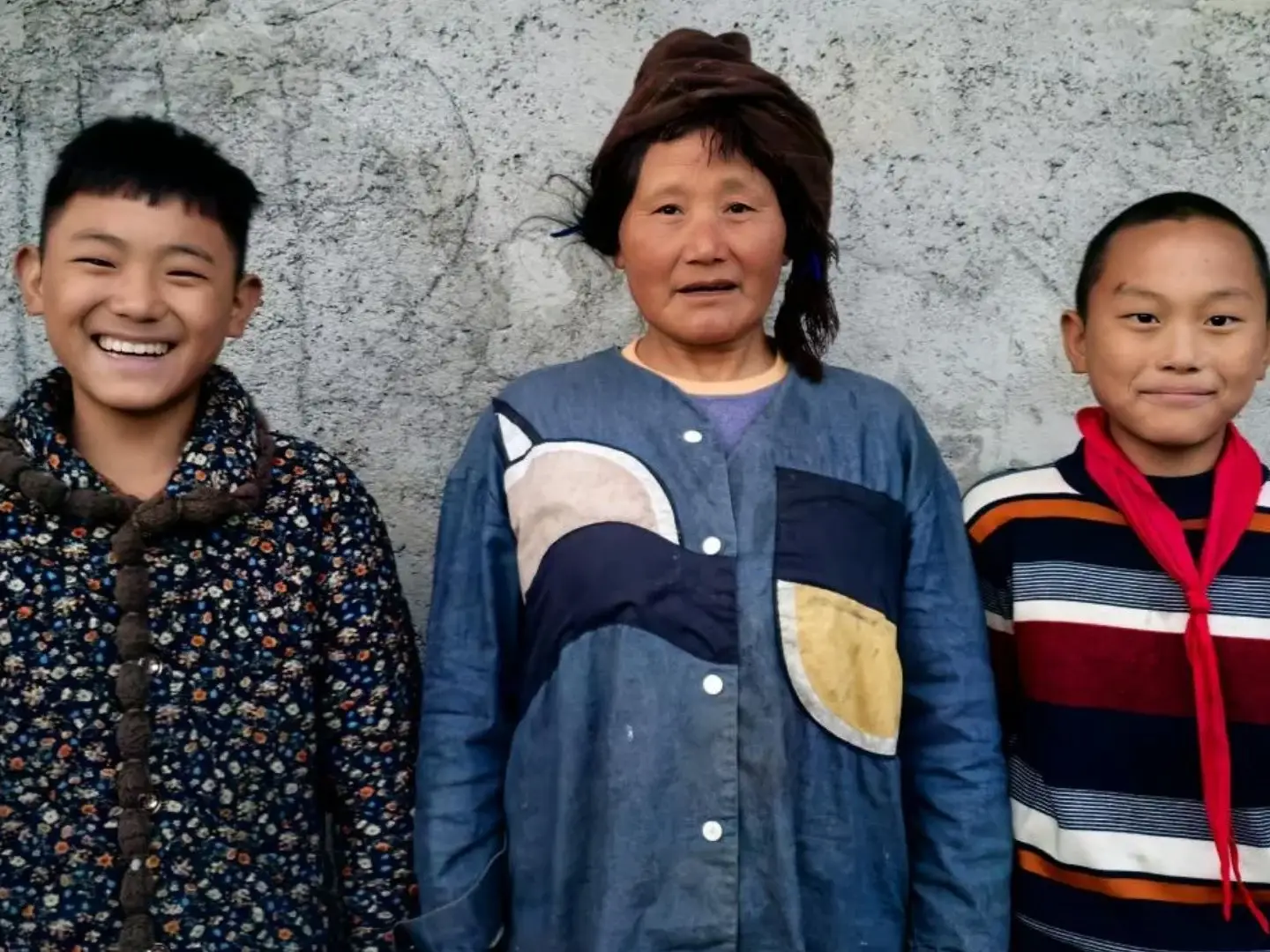
Jimo Shixi (63) is a family matriarch to a family of three generations in rural China. She is a mother of three and a grandmother to four children. All her children have their own sources of income, but since they are a working-class family with kids, this is not enough. Fortunately, they are under contract to use 4 mu (2,666 sqm) of land for their livelihood. Jimo tends to most of the farm work, making it her main source of income. In this farm, she plants sugarcane, corn, and sweet potatoes. She also cares for lambs, chicks, and the pigs that we recently gave her through the program.
We came to Jimo’s village one hot noon—just after a long journey on winding mountain roads. When we passed the villagers working in the corn fields, they looked up at us. Perhaps we stood out because we were dressed differently from the rest of the people there. Still, they got up and warmly asked us if we needed help. When we said we were looking for a woman named “Jimo Shixi,” their face smiled in clarity. “Ah, we’ll show you the way!”
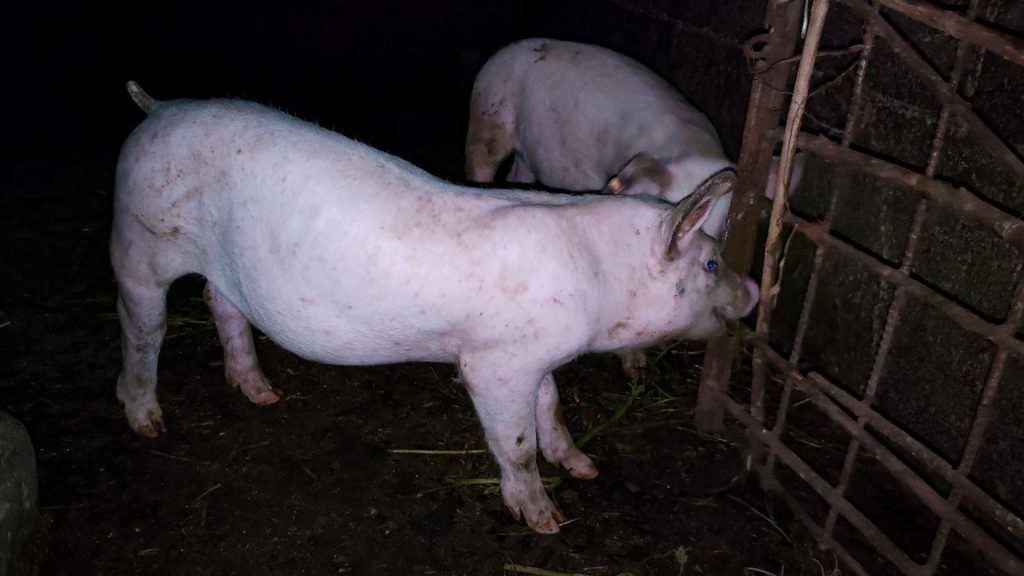
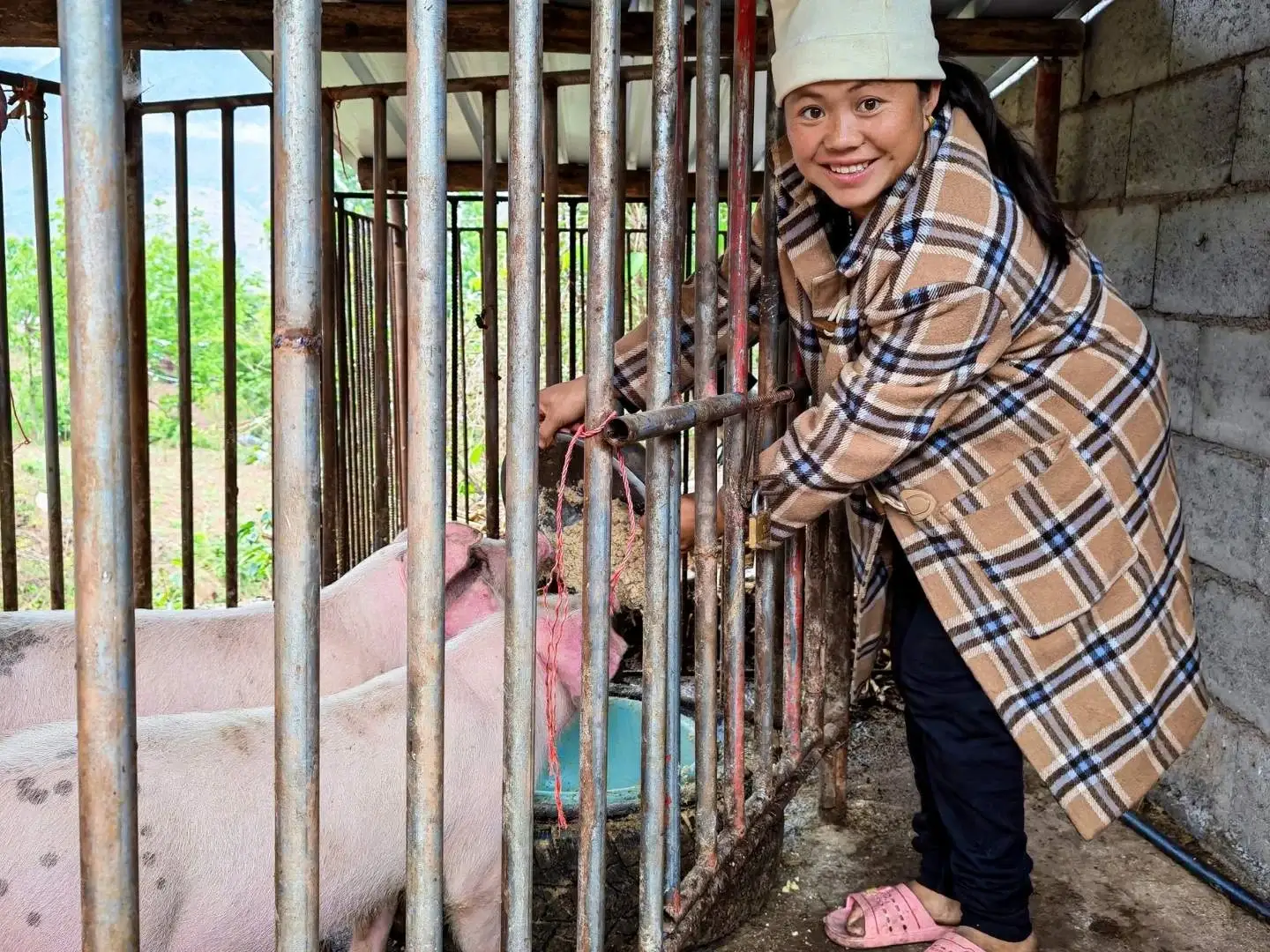
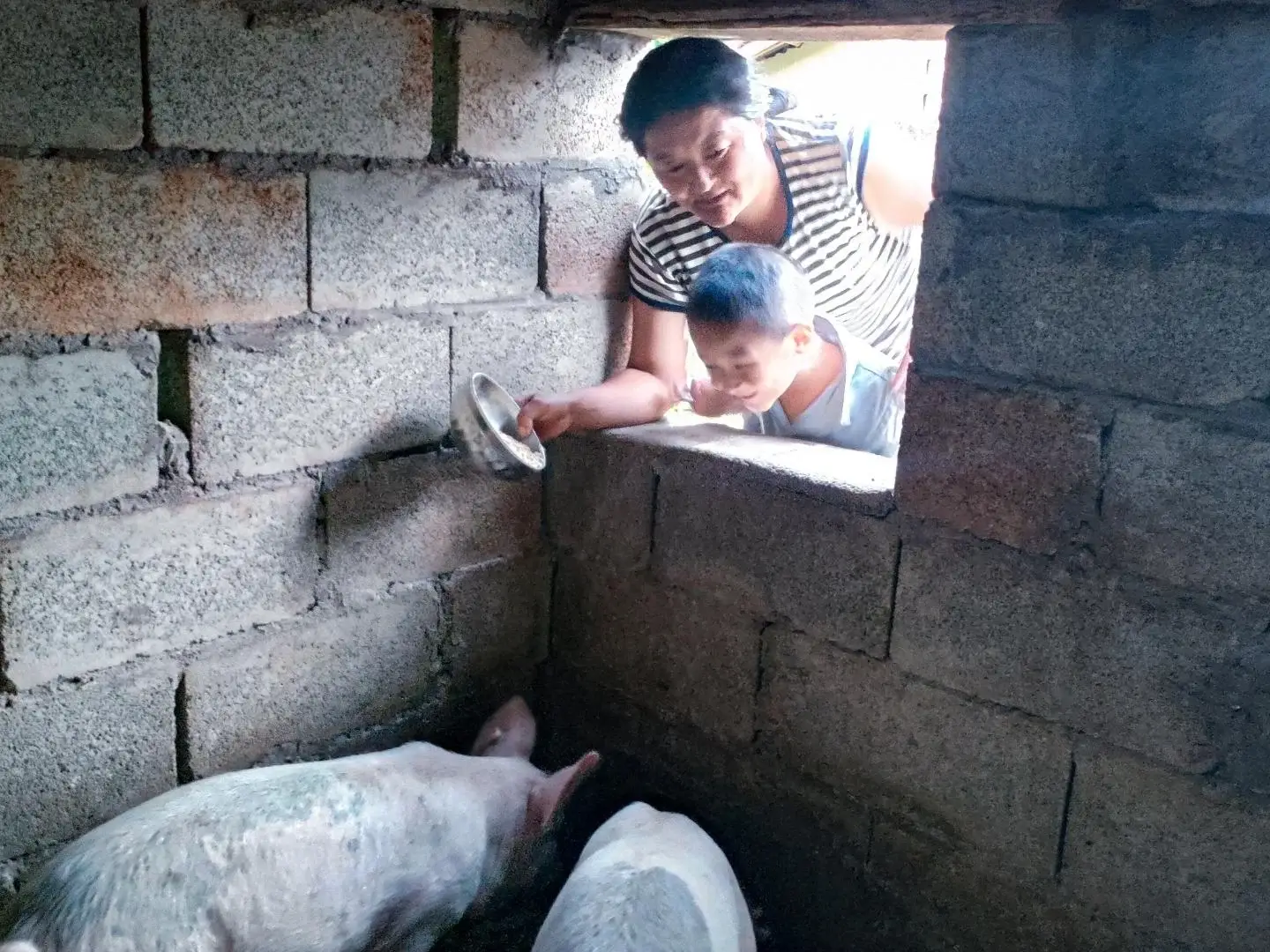
They warmly guided us to her home, which wasn’t too far from where we came from. True enough, there she was, sweeping the yard with several young children helping her clean. We introduced ourselves nicely. When she learned that we are part of the Pig Farming Program, she excitedly invited us inside. She led us to the pigsty and proudly updated us on the growth of the piglets. The largest one had already reached about 45 jin (27 kg), a healthy weight, with excellent appetite.
After showing us around, they all sat and had a conversation about their family’s situation. She explained that although her children have been sending money from their migrant work, their expenses remain high and not enough for the grandchildren’s schooling. The money they receive and make from the farm makes up for their living expenses, miscellaneous fees, and fertilizers. Their financial pressure is too high, and she is scared that as her grandchildren grow, they will need more expenses due to their rising needs. The best thing she could do is find more sources of income to keep them afloat. So when we gave them two pigs from our project, they had renewed hope in their family situation.
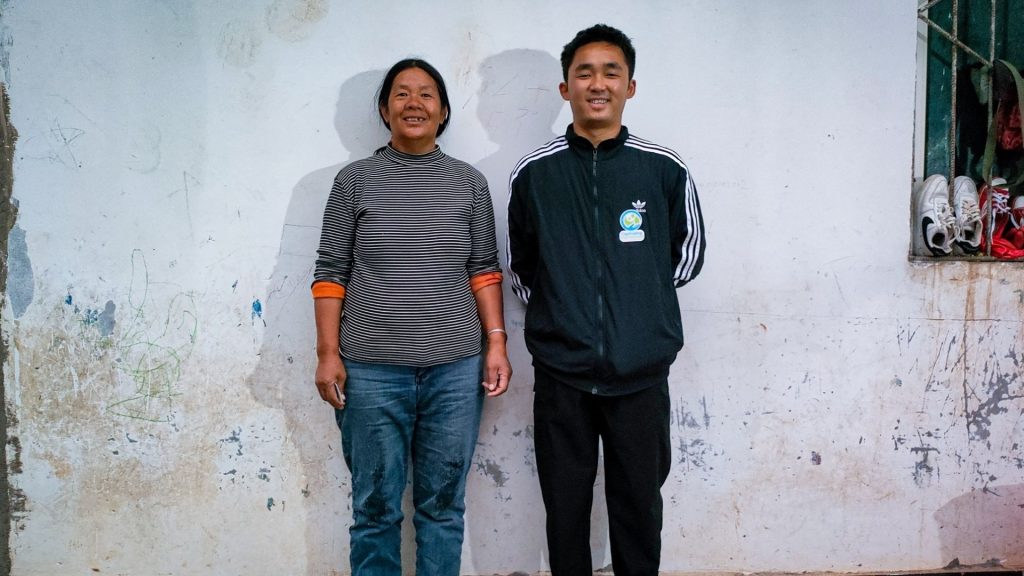
Part of the Pig Farming Program is training to ensure that the pigs are properly cared for and will maximize profits. When we asked if she had been using these methods, she enthusiastically shared that previously, she only relied on traditional methods passed down through generations. They are without clear strategies, resulting in low-quality outcomes. Thanks to expert training, she now understands scientific pig-raising techniques, disease prevention, and how to monitor the pigs’ health. In her daily routine, she regularly cleans and disinfects the pigsty, ensuring a safe and comfortable environment for the piglets. She now feeds them in a structured way, with specific methods and schedules.
Seeing the two pigs we gave her, we are delighted to see that they are under good care. Soon enough, they will bring valuable income and ease to this family. As we prepared to leave, she repeatedly expressed her heartfelt thanks for the project’s support, with an emotional “Kashasha” (thank you in Yi language) echoing behind us.
Our Partners

Be a Part of the Solution
By supporting the Pig Farming Program, you help provide crucial training, resources, and sustainable income opportunities for families in need.
Empower them today.