Thousands of children are lured into child criminal exploitation each year, trapped by traffickers who profit from their vulnerability. In fact, 1 in 6 children experience exploitation worldwide, including child criminal exploitation. Factors like poverty, the nation’s orphan problem, or irresponsible parenting cause these children to be even more susceptible to exploitation.
Child criminal exploitation is the act of luring or coercing minors into doing criminal activities like theft, fraud, drug deals, or scams. Why children? Aside from the vulnerability of the age group, children cannot be jailed in most states, meaning that when caught committing petty crimes, the consequences are less severe than for adults.
Understanding child criminal exploitation is key to helping eradicate its likelihood. In this article, you will learn about child criminal exploitation, what it is, why it happens, its lasting impacts, and how to help.
What is child criminal exploitation?
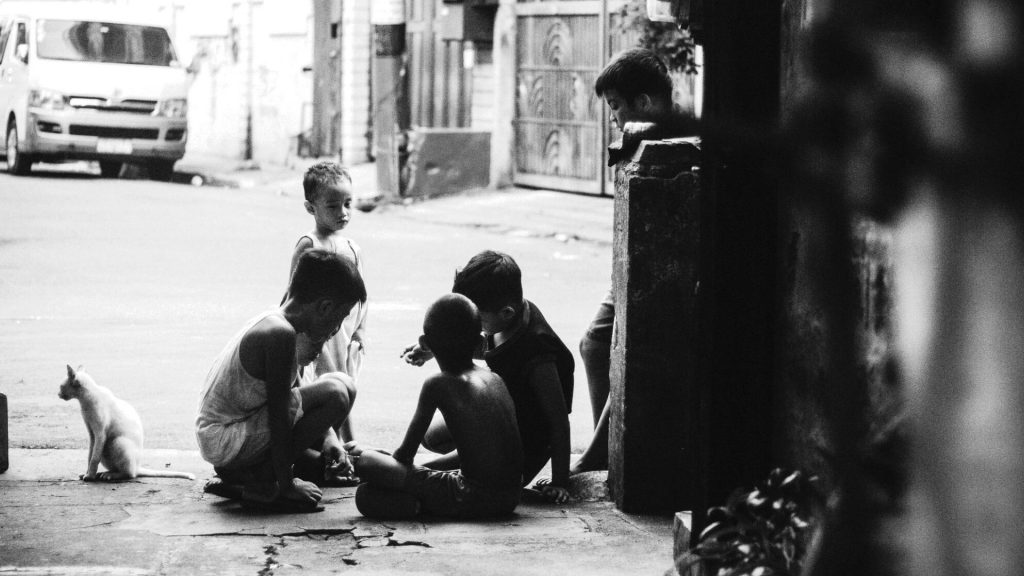
Child criminal exploitation is a form of human trafficking, together with sex trafficking, forced labor, and organ removal. It treats humans as a resource and exploits them illegally through luring and coercion, making up 27.6 million victims worldwide. Individuals under the age of 18 are considered victims. Often, the child is unaware of the exploitation and could appear as a willing participant because of their vulnerability and the manipulation of malicious adults. Organized crimes find children especially attractive to exploit to distribute drugs, work in cannabis farms, or carry out petty theft. Thousands of people in South Asia, like India and Nepal, are trafficked each year into criminal activities such as petty theft, drug distribution, and online fraud.
County Lines
County Lines is a term popular in the UK to describe child criminal exploitation in the form of exporting illegal drugs through children and vulnerable adults. Sometimes, children are used as drug mules to transport drugs across borders through ‘plugging’ or inserting these drugs into their rectum or vagina to bypass security. In some cases, children may be sent to live with another trafficked adult in exchange for continued drug supply. In this situation, drug use and drug trafficking may intersect, making their product the motivation for their work.
Scams
In countries in South and Southeast Asia (Nepal, India, Philippines, Myanmar), children are being used to participate in online fraud like phishing and click-fraud scams. They are trained to operate multiple fake social media and/or email accounts to collect potential victims’ personal information, phishing links, or inflate clicks on fraudulent ads on websites. They may advertise these as ‘digital marketing jobs’ that are easy money to attract inexperienced workers with digital devices, like children.
In some cases, some children are trafficked abroad in these ‘scam hubs’ where children are held and forced to run online fraud operations. In countries like Myanmar, where billion-dollar cyber slavery rings run, individuals have no choice but to submit to the scam. It’s either that or death. Gangs also actively recruit Nepali youths for their cryptocurrency scam operations. Sometimes, the children’s identities are exploited by creating bank accounts tied to their names to move shady funds and hide the real perpetrators.
Petty Theft
Children may be recruited under the guise of ‘helping with errands’ or ‘earning money,’ then instructed to shoplift, bag-snatch, pick-pocket, or steal from street vendors. The stolen items are quickly handed off to adults or fences who profit while the child remains invisible and expendable. Control tactics include threats, debts that must be repaid through theft, confiscation of ID, and constant movement to avoid detection. Because children are less likely to be hunted down or recognised as victims, criminal networks exploit them as low-risk operatives in repeat crime.
Who Is Most at Risk?
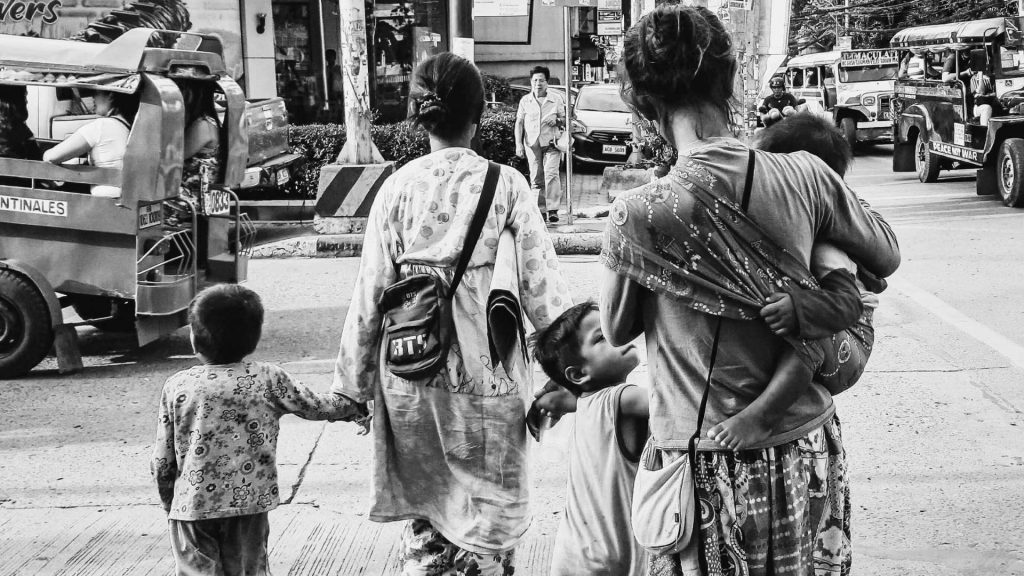
Everyone could indeed be trafficked, but traffickers often target a certain demographic to manipulate. Individuals below 18 years old are already considered an age minority, but those who suffer from the following are highly likely to be lured into child criminal exploitation:
- Parental neglect or abuse
- Homelessness
- Poverty
- Social isolation or social difficulties
- Connections to individuals involved in organized criminal activities
- Physical or mental disabilities
- Substance abuse problems
- History of receiving social care
- Out-of-school youth
In short, children who have at least one or two of the following may be considered highly vulnerable, especially without intervention.
The Impact of Criminal Exploitation on Children
- Educational Impact
While a lot of trafficked children are out-of-school youths, those who are in school typically drop out to carry out these crimes. Over 50% of trafficked children drop out of school due to exploitation and associated mobility. In Nepal, surveys show that children involved in criminal exploitation miss an average of 120 school days per year, severely affecting literacy and long-term learning outcomes.
What happens when children are out of school and are illiterate? They are susceptible to more forms of exploitation. - Physical and Mental Health
Constant intimidation, coercion, and threat can really bring long-term effects to a developing child’s mind and body. 40–60% of children exploited in criminal networks report injuries from violence, coercion, or punishment by traffickers; while 70% of trafficked children experience trauma, anxiety, or depression, yet most receive little or no psychological support. - Criminalization and Legal Risk
While the consequences for juvenile offenders are less punitive than adult offenders, legal repercussions could still affect them long-term. 30–40% of exploited children are reported to law enforcement for offences committed under coercion. Despite it not being their ‘fault’, it still affects their permanent criminal records, making it difficult to seek out reputable opportunities in the future. - Economic Impact
Children exploited for petty crime or online fraud generate revenue for traffickers but receive little or no financial benefit. In cross-border scams and petty theft rings, a single child may be forced to generate USD 1,000–$5,000 per year for traffickers, depending on activity. Since these criminal organizations are illegal, their profit adds no value to the economy and only depletes the potential of young individuals who could have acted better as good and productive members of legal society.
How To Help
- Researching and spreading the word
If you want to advocate against human trafficking, you must start by educating yourself first. Reading this article is a good start, and reading stories about victims can help you gain context and clarity about what happens in real life. The next step is to spread the word to others. Tell your family, friends, and colleagues. - Donating to nonprofit organizations
Captivating International is an anti-trafficking organization. Our work in Nepal involves educating girls, empowering women through entrepreneurship, and intercepting girls at the border before they are gone forever. - Shopping Responsibly
E-commerce revolutionized the way we shop. You can now purchase any apparel, furniture, or cosmetics you want from the comfort of your own home at affordable price tags. But when something is too affordable, someone else is paying the price—like trafficked children. Research your favorite brands’ ethical standards before hitting checkout, and it will make a lot of difference. - Report incidents
If you think someone was trafficked or is currently at risk, call your local human trafficking hotline for immediate action. You may also alert your local authorities for added help.
Conclusion
Child criminal exploitation is a hidden but devastating form of human trafficking that robs children of their safety, education, and future. From petty theft and online scams to forced participation in criminal networks, traffickers exploit these children’s various vulnerabilities that lead to long-term consequences on an individual and societal level. However, we are not powerless against this. Awareness, community vigilance, donations, and responsible consumerism can make a difference in creating a world where every child has the chance to live free from exploitation.
DID YOU KNOW?
How To Protect Your Children Against Predators (आफ्ना बच्चाहरूलाई शिकारीहरूबाट कसरी जोगाउने)
अनलाइन यौन दुर्व्यवहार के हो भन्नेबारे जान्नुहोस् र आफ्ना बालबालिकालाई अनलाइन शोषण तथा…
0 Comments6 Minutes
Online Sexual Abuse Red Flags (अनलाइन यौन दुर्व्यवहार रातो झण्डा)
अनलाइन ग्रुमिङका चेतावनी संकेतहरू, देखिन सक्ने सामान्य संकेतहरू, र आफ्नो बच्चालाई अनलाइन…
0 Comments7 Minutes

Ligtas ba ang Anak Mo Online? Mga Senyales na Kailangang Bigyang-Pansin
Alamin kung paano makikilala at maunawaan ng mga magulang ang grooming at mapoprotektahan…
0 Comments13 Minutes

How To Make Children Feel Safe and Heard In Times of Emergency
Learn how to build trust with your children through open communication, empathy, active…
0 Comments4 Minutes
Australian Charities to Donate To Depending On Your Advocacy
Australian charities to donate to across health, food security, education, human…
0 Comments9 Minutes

How Less Screen Time Doesn’t Mean Less Risk From OSAEC
Reducing screen time isn't enough. Learn the offline factors that increase children's…
0 Comments4 Minutes
Online Sexual Abuse Red Flags
Learn the warning signs of online grooming, common red flags, and practical tips to help…
0 Comments8 Minutes
How To Protect Your Children Against Predators
Learn what online sexual abuse is and discover practical tips to help protect your…
0 Comments7 Minutes

How Can We Achieve Quality Education Across Nations?
Quality education is key to reducing poverty. This article explores global education gaps…
0 Comments8 Minutes