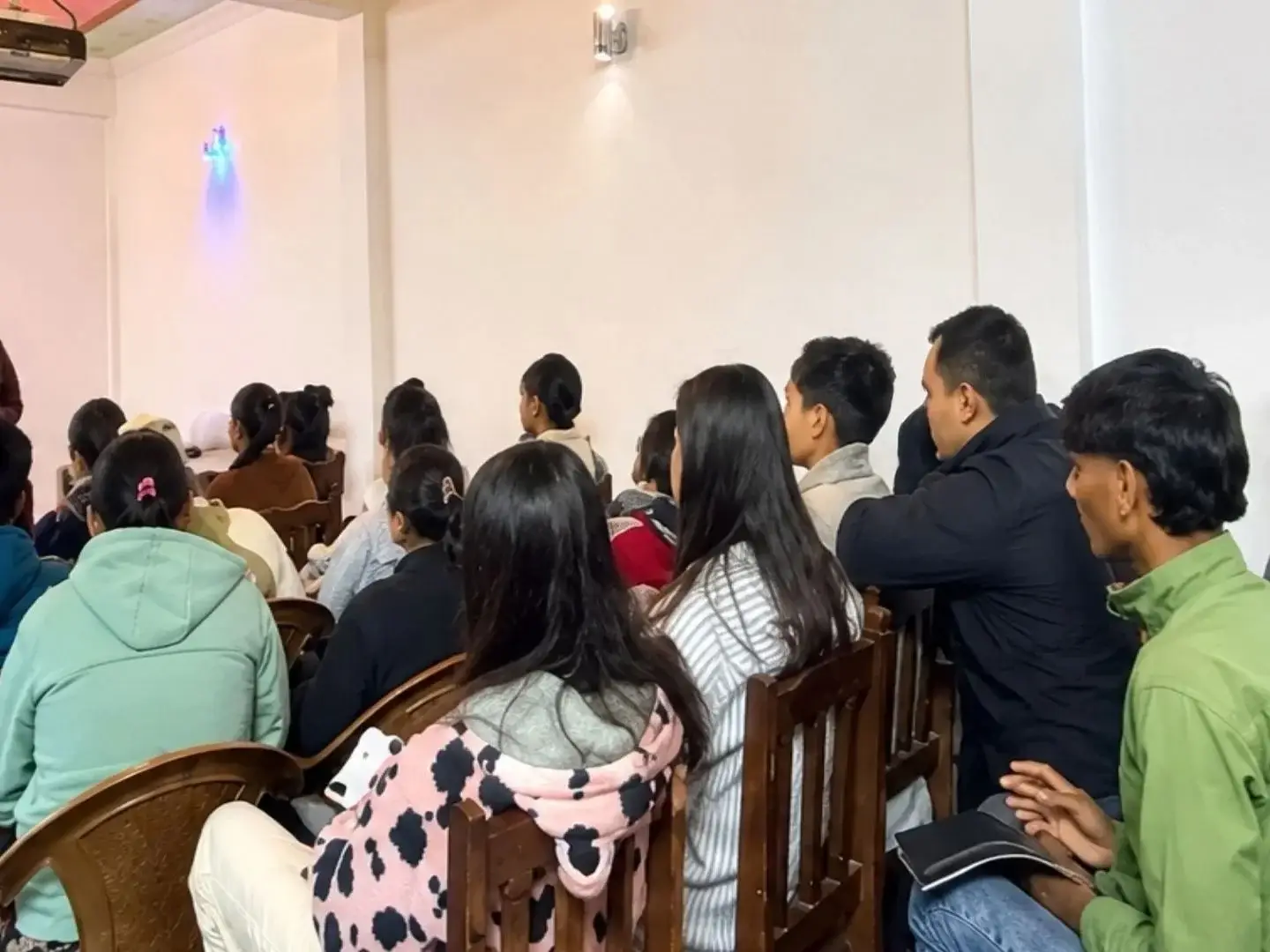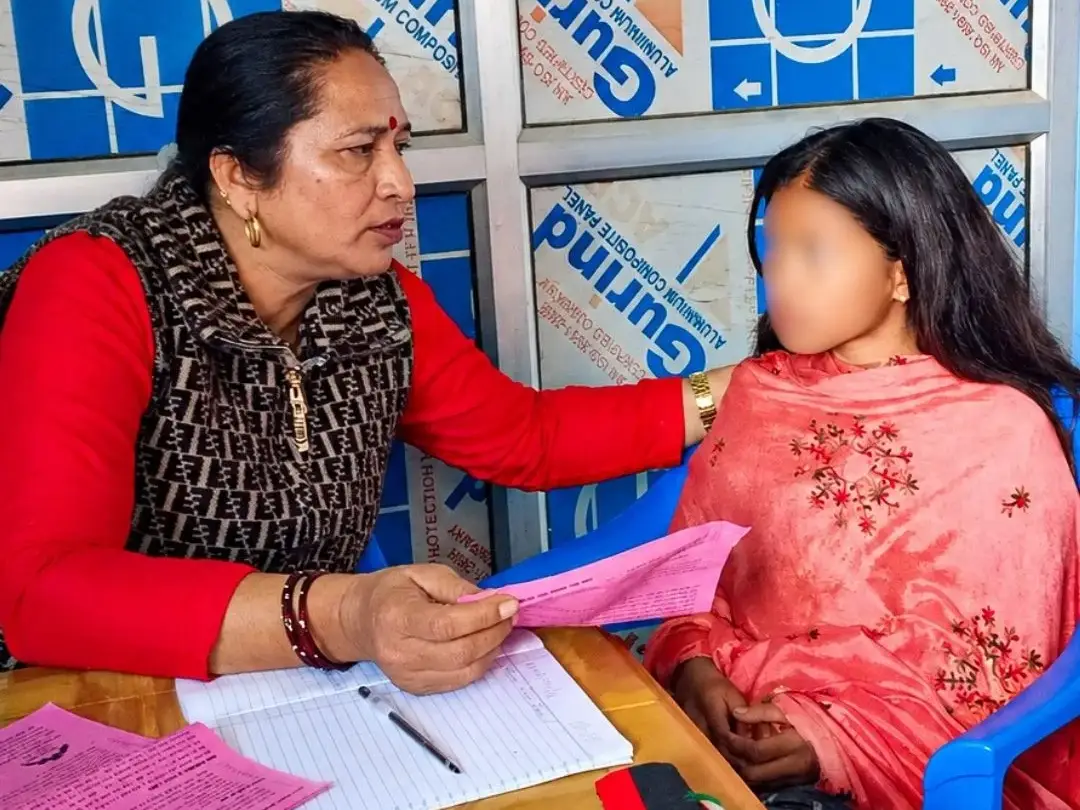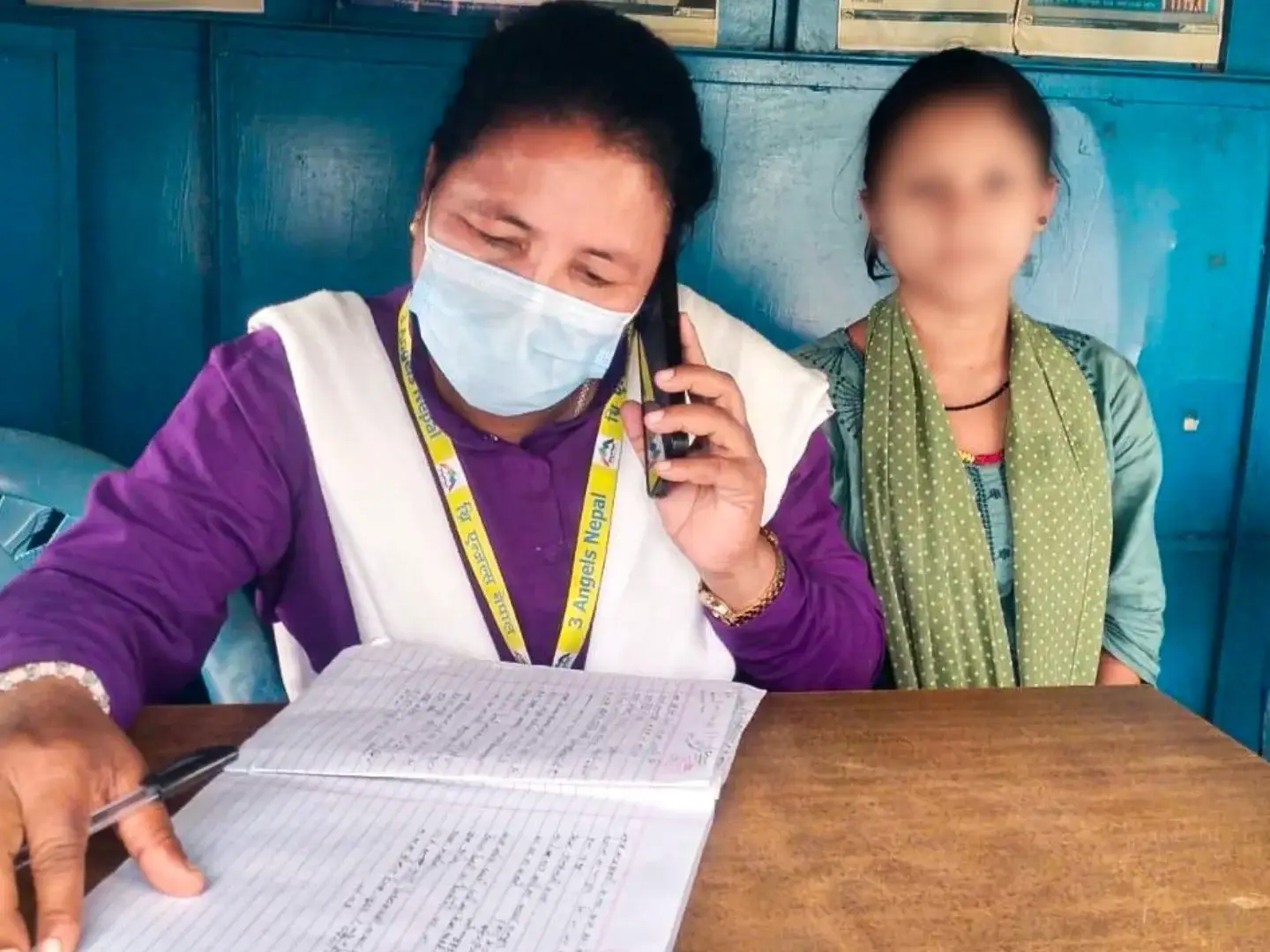
This is an interception story from a girl named Pushpa Kunwar (26) under our Anti-Human Trafficking Monitoring Stations. Growing up in a poor family of five, she only studied up to 8th grade. Her father is a laborer, while her mother suffers from partial blindness. Despite their challenges, her family remained hardworking—and in their own way, it worked until her and her siblings’ adulthood.
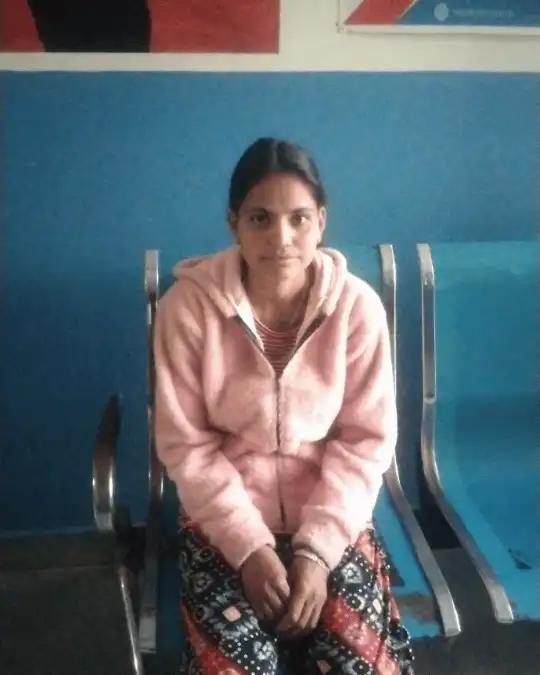
When Pushpa was 18, she fell in love and got married. A year later, she gave birth to a baby girl. When her daughter was nine months old, her marital relationship turned sour due to her husband’s failure to manage his difficult emotions. He accused Pushpa of doing things she had never done, and eventually took away her child from her. Today, her daughter would have been seven years old. She believes that if she had received enough support from her family, she might have been able to keep her daughter with her. When we said this, we could clearly see the pain in her voice. The silent anguish of a mother who had been deprived of loving her only child.
Even though she felt helpless losing her daughter, Pushpa went to Kathmandu to work as a housekeeper at a relative’s home. She was paid NPR 6,000 monthly, and she worked there for three years before going back home. As her father got older and her mother’s eyesight worsened, Pushpa had to take responsibility for the household expenses. She decided to take another job, this time, labor work carrying sand in her village.
One day, a truck driver who came to buy some sand noticed Pushpa. He took her phone number, and she entertained him. It had been a while since Pushpa let anyone in her heart, so she thought she might give him a chance. After some time talking, he said that they should get married and live together. It got Pushpa’s hopes up. Later, the man left for India to work, but just after a week of working there, he sent her a message telling her not to contact him ever again and blocked her.
With her heart broken, she knew she had to keep moving forward. A friend later connected her to a contractor who promised good employment opportunities in India. The contractor thought that it was an excellent opportunity because several women are also travelling and they could all go together. She agreed and travelled to Kohalpur. However, when she arrived, she only met three men. She thought it was suspicious, but the thought of her going all the way there and not even getting a job sounds like a waste, so she continued anyway.
They reached Mahendranagar late at night, and they stayed at a hotel. She was told to sleep in the same room as the other men, and while she refused, she was given no other choice. The next day, they were set to travel to India. From our monitoring station, she spotted Pushpa and the other men. She looked and acted uneasy, and we immediately found it suspicious. We asked her to step aside for questioning.
When we asked her for her basic information, she lied to us. Our line of questioning had a way of easily detecting inconsistencies from those we are trying to intercept. When we caught Pushpa lying, we told her that we are not going to harm her, and we would help her if she is currently in an odd or potentially dangerous situation. She later softened and told us the truth.
We contacted her family, who confirmed that they did not know of her travel plans. They even told us to please stop her and ask her to go back home. She knew there was something wrong in her gut, and she trusted it by letting us intervene. She left the men and went with us for some counseling. After some time, she realized that she was most likely being trafficked.
The truth of the situation is that many of our intercepts have mixed feelings about interception. To them, they are finally getting the opportunity of a lifetime just for it to be taken away from them. Hence, we put a lot of effort into our attempts to counsel them. Thankfully, Pushpa was able to understand that we have her best intentions in mind—and she would go back to her village to tell people about the dangers of human trafficking.
Our Partners

Be a Part of the Solution
Together, we can protect more girls and women from the horrors of human trafficking. Your generosity can save lives and provide hope.
Be their lifeline.