Our Chicken Farming Program aims to help families increase their financial income, enabling them to better support their children’s education and overall well-being. We hope the families can earn a profit of CNY 3,000 to 6,000 [USD 420 to 840] annually.
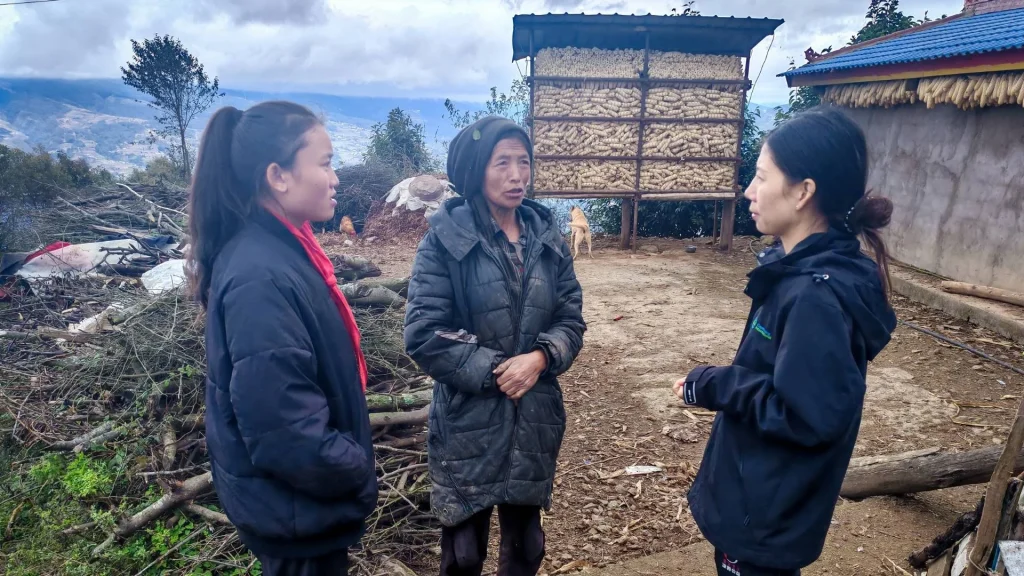
As a part of our routine visit to our beneficiaries, we went to Jimo Dazi’s home. When we entered her property, a dog barked as if to welcome us. Healthy-looking chickens gathered and pecked on the ground as Jimo invited us inside. As we entered the living room, we saw the walls were adorned with academic certificates from her childre—proudly and indirectly telling anyone who comes in their home that her children are doing well in school. The home was also decorated with simple furniture, but the house was well-kept and tidy.
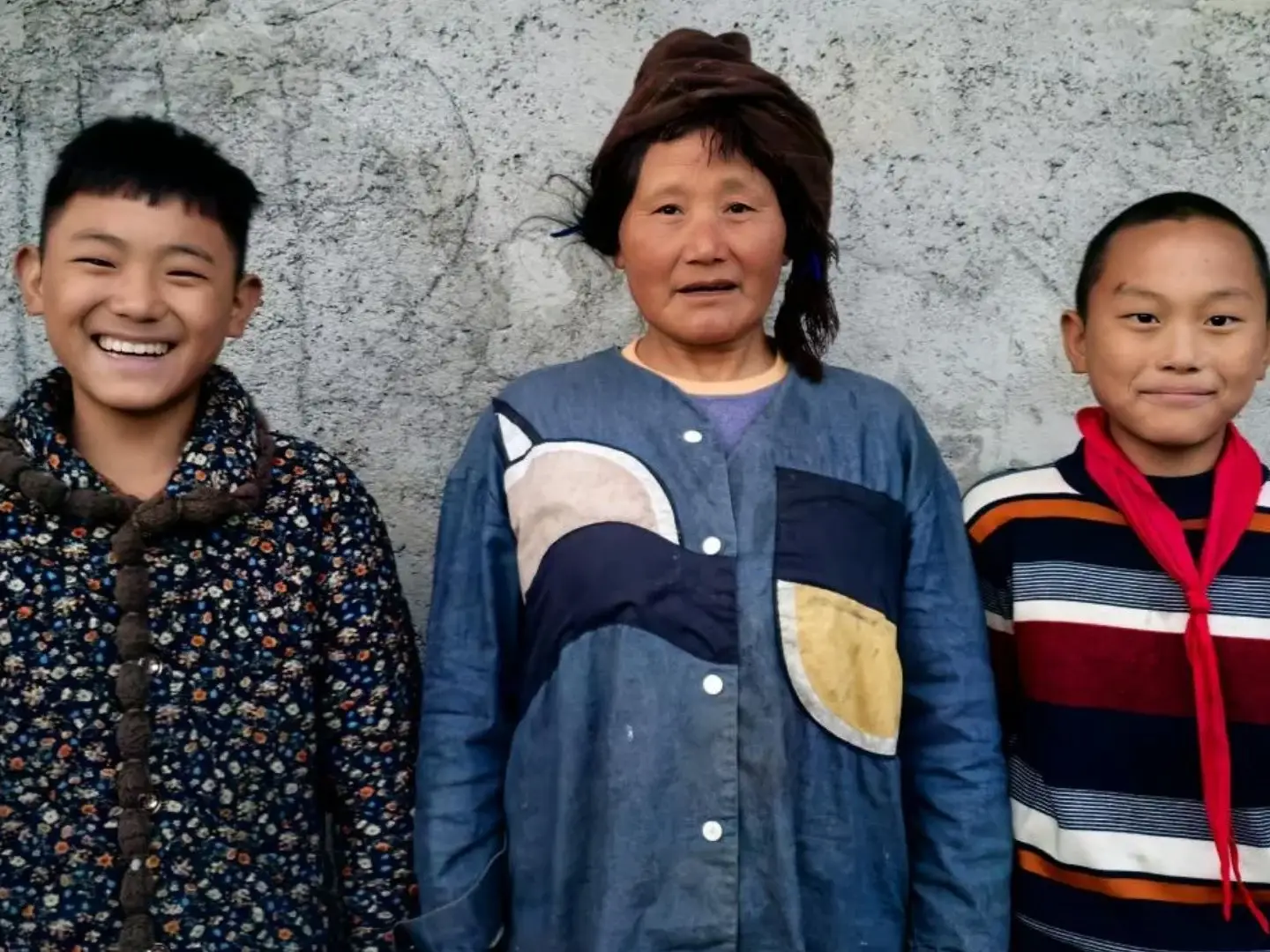
Jimo does not understand Mandarin so one of her children stepped in as a translator for both of us. Through talking, we learned that her family is made up of eight members. Her two eldest children are already married, so only her four other children live at home. One child is still in school, while another one suffers from tuberculosis. They get by by a little bit of help from the government covering chronic disease treatments, and the third daughter bringing her salary home.
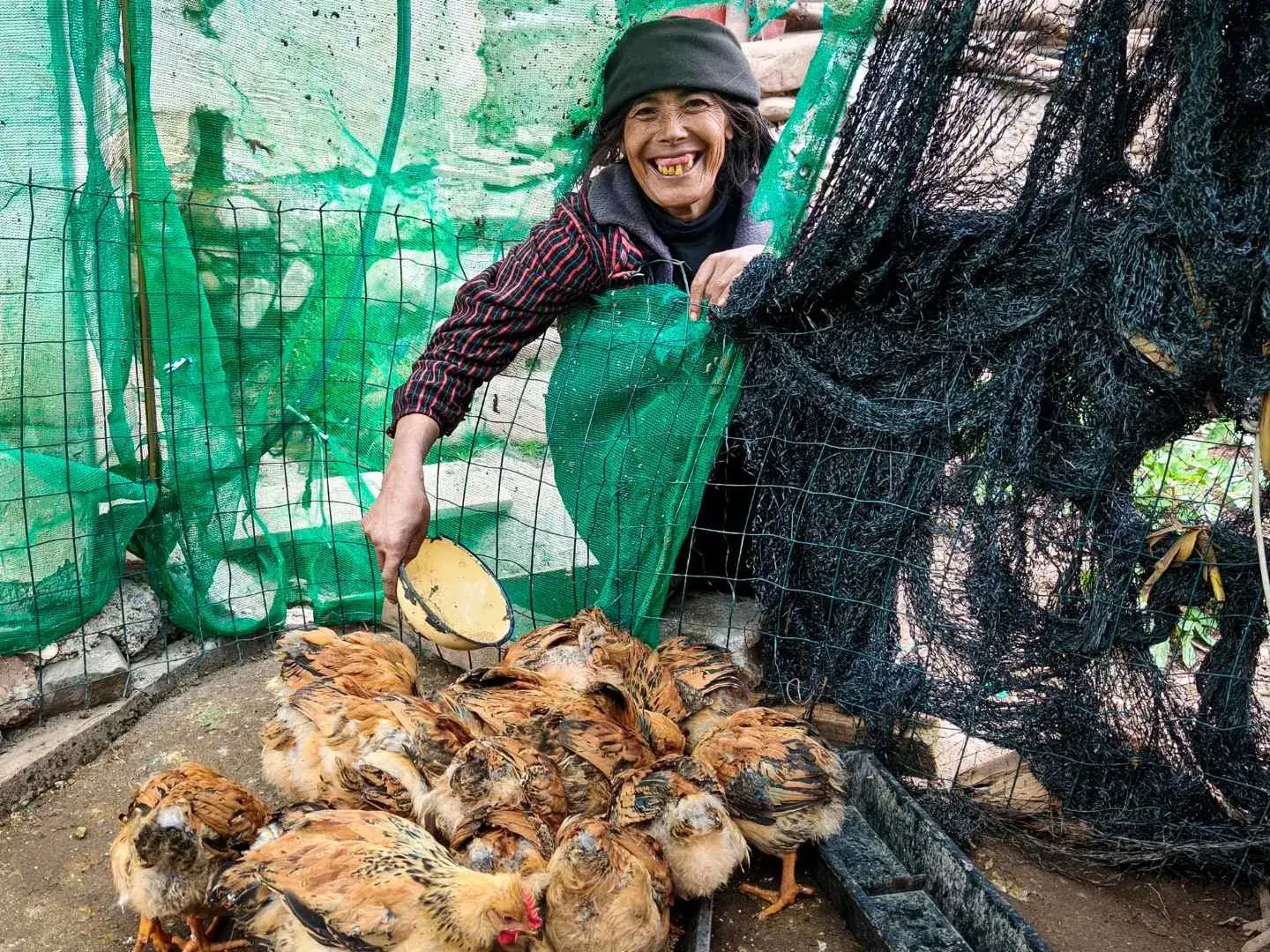
When we inquired about the how the chickens are doing, Jimo shared that of the 20 chicks provided, only 15 survived. The other five died due to illness, partly because of her lack of management and delayed treatment. She expresses regret for not following the training instructor’s advice to monitor the chickens’ condition promptly. On the bright side, this gave her a lesson to look at the chickens more closely next time. And true enough, during the second training session, she learned to observe more carefully, which helped save the remaining chickens.
When we said we wanted to see the rest, she laughed and said, “Didn’t you just see them?” Seeing our puzzled expressions, she led us outside while explaining, “Those chickens at the entrance just now—they’re the ones you provided. The heaviest one now weighs over 12 jin.”
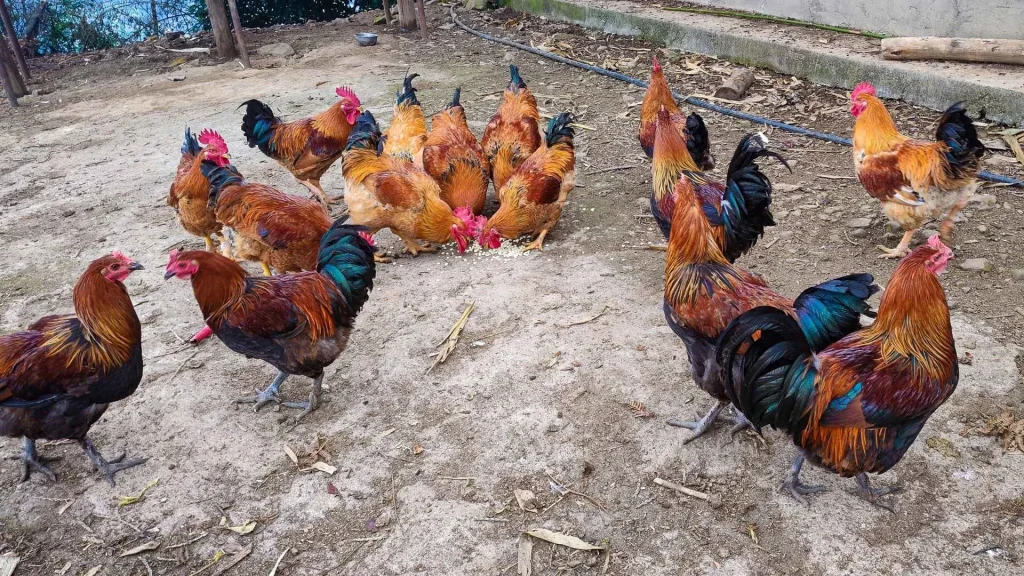
While Jimo fell short in seeing her chicken’s health condition, she was able to apply knowledge when it comes to feeding the chickens. She said that she follows the training methods of feeding at fixed times and in measured amount. She learned to provide nutritious feed as taught including corn, commercial feed, and occasionally leafy greens. Beyond feeding, she also maintains the coop environment by cleaning it regularly to keep it dry and hygienic, reducing the risk of illness.
When we talked about her children’s education, she said that her children have limited schooling due to their financial situation. But despite what they have, she hopes for the best in what they educational level they can attain. She remarks, “Without education, one is like a fool,” she said, expressing hope that her youngest daughter can study well.
Before we Jimo’s home, she expressed her gratitude to us.
“I am very happy to have received this help. Once the chickens are fully grown, the proceeds from their sale will be saved for my fourth daughter’s education, with a portion used for household expenses. I will also continue to buy chicks for rearing to increase the family’s income. I sincerely thank the kind-hearted people for their assistance.
Thank you, and may good people enjoy peace and happiness throughout their lives.”
The poor are usually punished for committing mistakes, and Jimo’s story is about how mistakes are natural, and beneficiaries must not be expected to get everything right the first time. What matters is that they keep trying to be better in an environement that embraces their successes as well as their failures, like any other human should.
Our Partners

Be a Part of the Solution
By supporting the Chicken Farming Program, you help provide essential training, resources, and a sustainable source of income for families in need.
Empower them today.