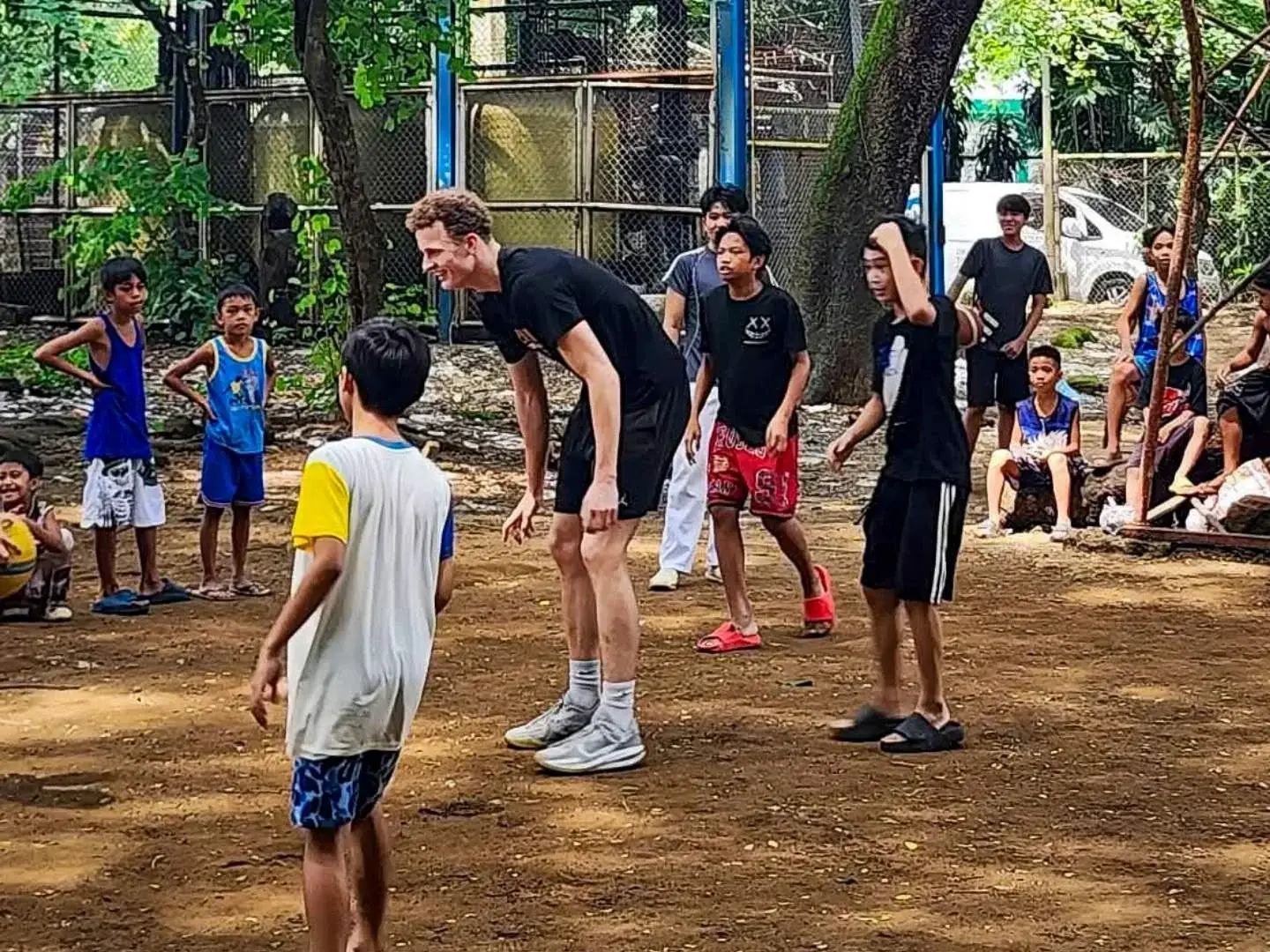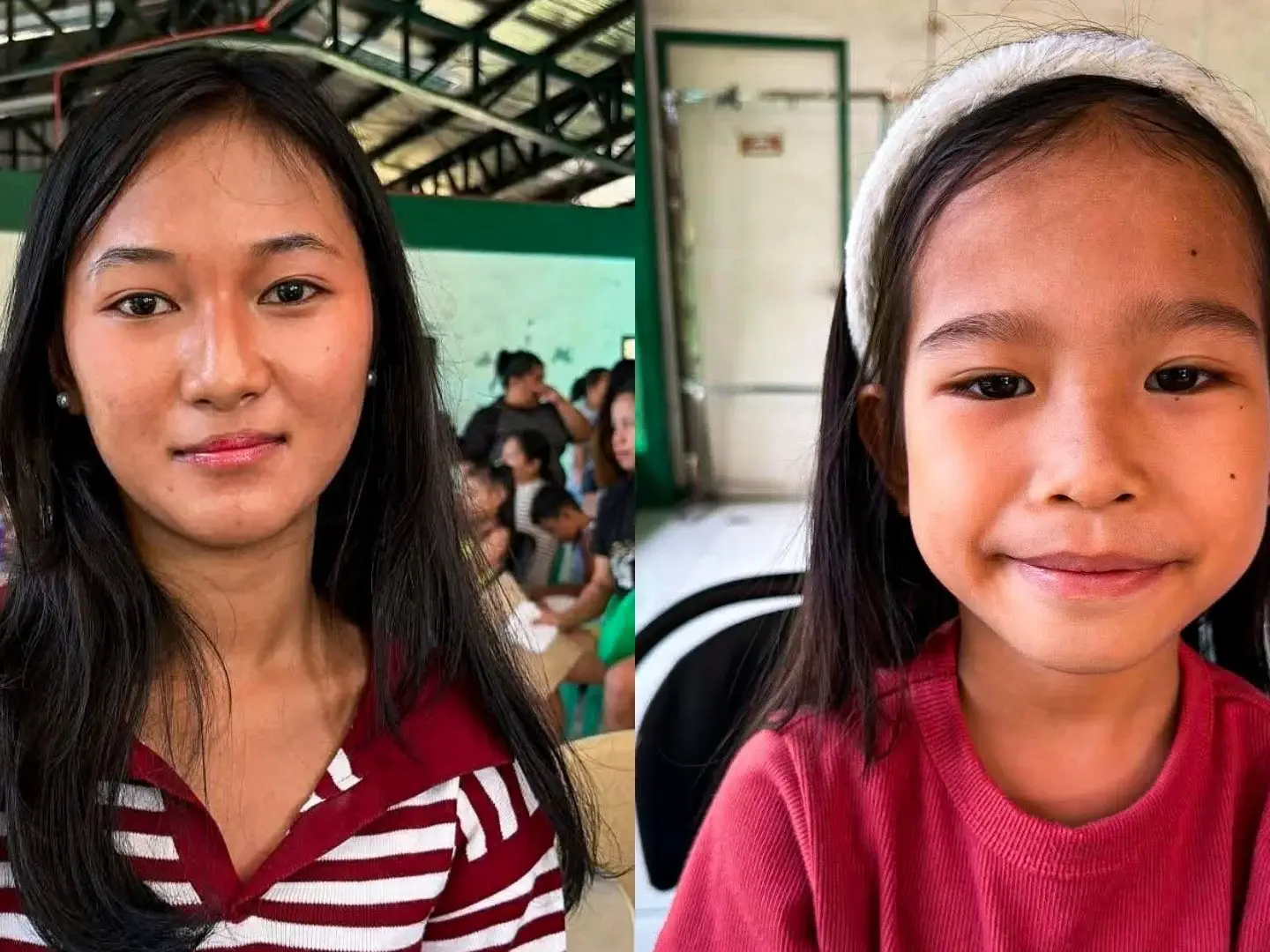
Exciting times ahead for our 4th Manila Slum Program (MSP) community!
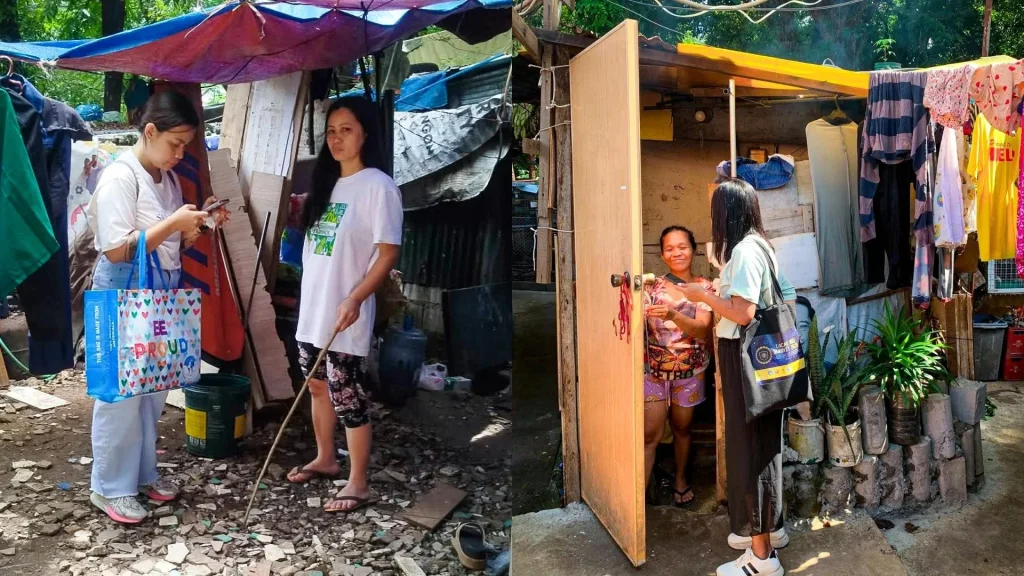
In July 2026, our in-country partner, Sanghaya, conducted a baseline survey with 500 families in the community. We were surprised by what we found out: 88% of the families survive on less than PHP100 (AUD2.50 or USD1.60) per day. That’s just PHP20 (AUD0.46 or USD0.32) per person for a family of five, compared with the PHP84 (AUD1.92 or USD1.34) food poverty threshold per person. With so little income available even for basic food, families face difficult choices; children miss school and become vulnerable to exploitation.
In each MSP installment, the program works directly with an average of 250 highly vulnerable out-of-school children, providing scholarships, mentoring, case management, and family support.
After weeks of visiting families for house-to-house interviews, we are happy to share that we now have an initial list of beneficiaries. The list contains 229 students from grades 6 to 12 who will receive educational assistance from the program. The focus is on this age group because they are at the highest risk of exploitation if they stay out of school. By supporting them during these years, they are encouraged to keep going until they graduate.
We did not act alone. We coordinated with the barangay and school officials to take a second look at our list. They later confirmed that the girls (and some boys) on the list were indeed among the students who were missing at least 80% of school time. They also expressed their commitment to work with us in helping these girls get back to school.
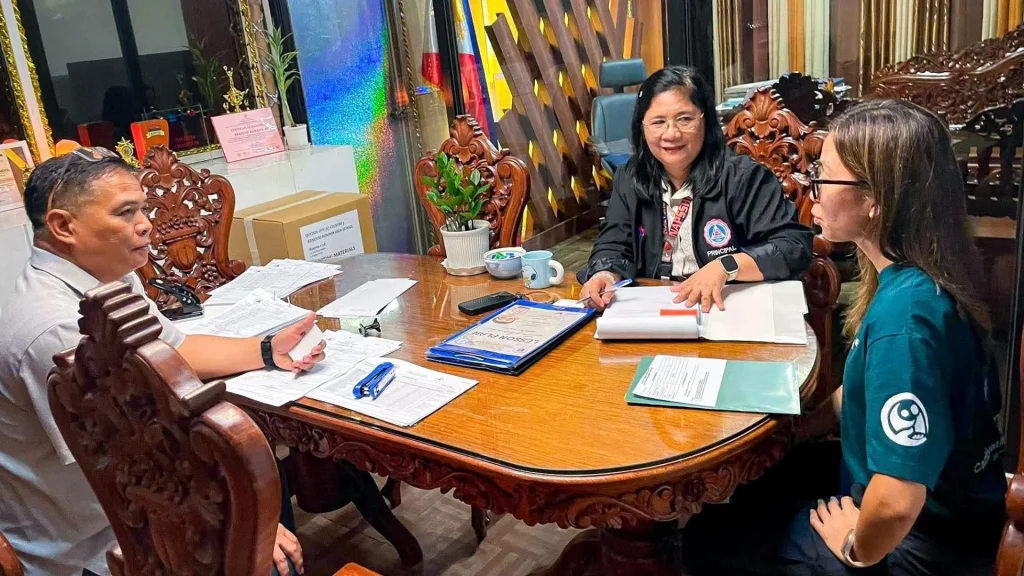
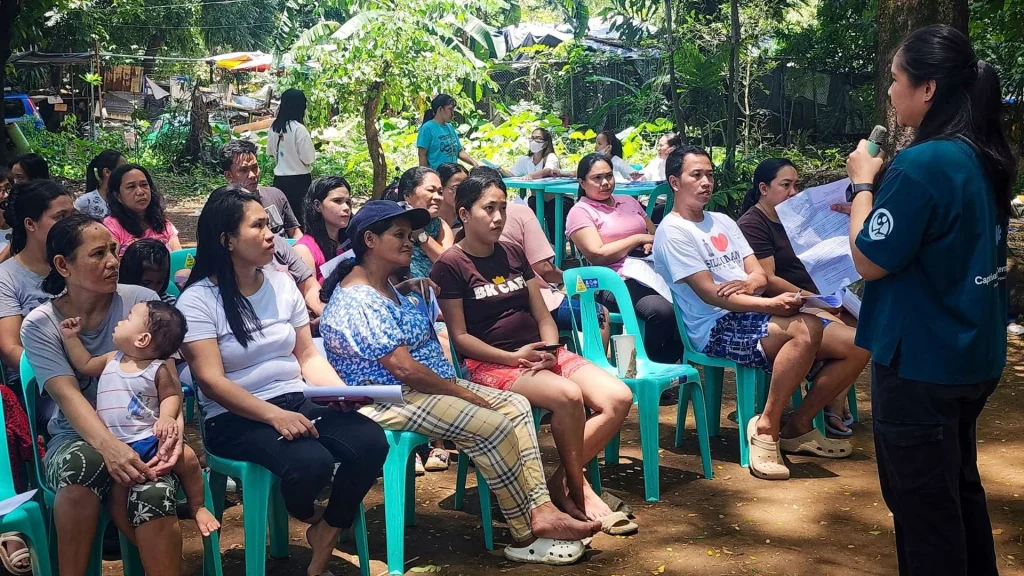
The school year had already started in June, so we acted quickly and had our first meeting with the selected beneficiaries on August 27.
Holding the meeting was not easy, as many firsts are, and with how the conditions looked at that time. The available space was an open and uncemented area that could quickly turn muddy with a little rain. There was no tent, and only chairs were available to accommodate us. Despite it, we pushed through.
We also shared the goal of MSP: to help protect girls from exploitation by supporting their education and helping parents build their capacity to care for their children. The parents and guardians also signed their agreement contracts, as a sign of agreement to the commitments they must take to become beneficiaries of the program.
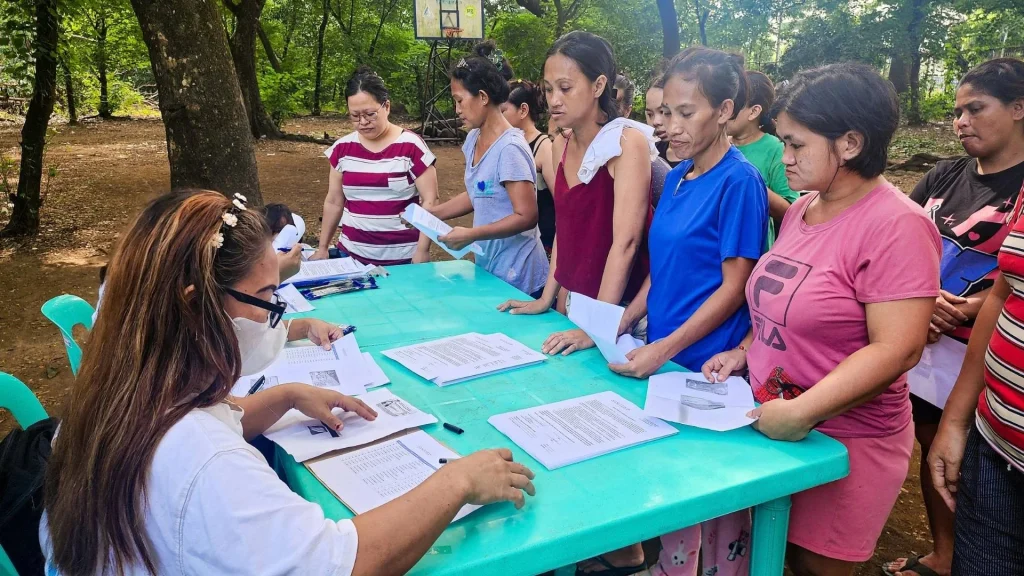
That first meeting also served as the first disbursement of allowances for the beneficiaries. We ended the program by reminding the beneficiaries that the success of MSP lies in the joint effort of the organization and the beneficiaries alike.
All of this progress would not be possible without our on-the-ground partner from the Philippines, Sanghaya Foundation. The education of hundreds of children is about to be secured until they graduate; that is all thanks to our donors’ help.
We are excited to share more progress in the new community in the coming months!
Our Partners

Be a Part of the Solution
We need 10 people or families each willing to donate USD 3,500 | AUD 5,000 per year for 3 years to start in a new community. Help us provide education and support to children and families in Manila’s slum communities.
With your support, we can stop the “slum story” with this generation of children.