
Orphans are typically found all over the world, but in poor countries like Nepal, the intersectional plights of its people cause various angles in contributing to the increase of orphans in the streets. Recent factors like COVID-19, migrations, political unrest, and natural disasters are just a few. The existence of orphans in Nepal are symptoms of very real systemic problems that could raise child protection concerns and even human trafficking.
Vulnerability is the main thing that human traffickers look for, and unsupervised children could be especially attractive to these predatory actors. In this article, we are going to discuss the current situation of orphans in Nepal, the vulnerabilities they face, their causes, and how to help.
Current Situation of Orphans in Nepal
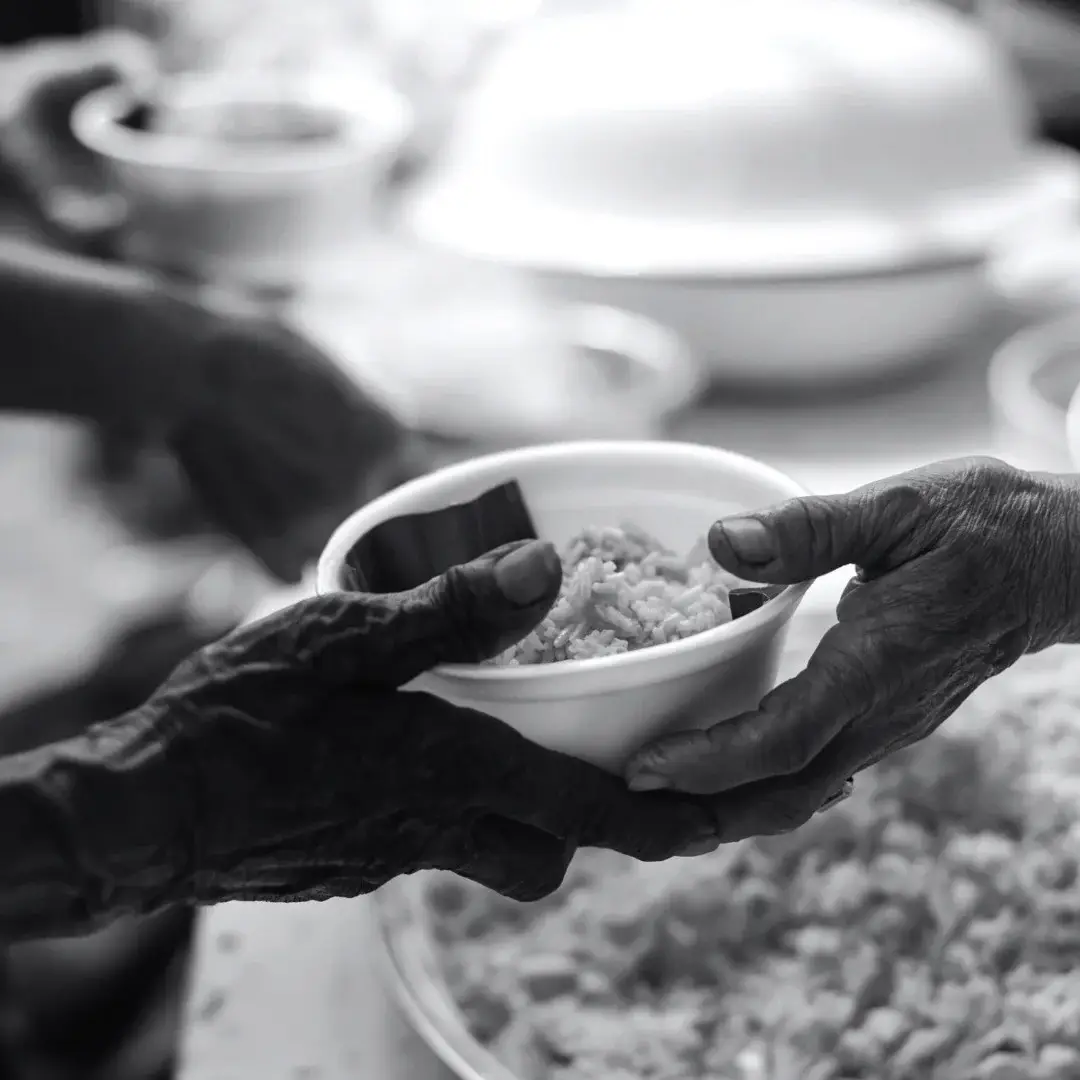
Nepal’s National Census in 2021 reports that 352,276 (about 3.43% of the population’s children) are living without parental care. When people think of “orphans”, children with both deceased parents come to mind. However, 85% of these children still have at least one living parent or guardian who could have looked after them—highlighting a truly complex conversation in family development studies.
In 2019, Hope and Homes for Children reported that 11,350 children were living in 489 registered institutions. 85% of those children still have at least one living parent. One other example is in Karnali Province, which shows that 78% of the orphans still have parents to look after them, further deeming them ineligible for institutional benefits. One might ask, “If that were the case, then are these children really orphans? And what does the Nepali government do to make the parents more responsible for taking care of the children?” Because of this, there has been increasing attention to policy reform for better child protection and alternatives.
With living parents or not, Nepali children are at real risk of exploitation due to their vulnerability.
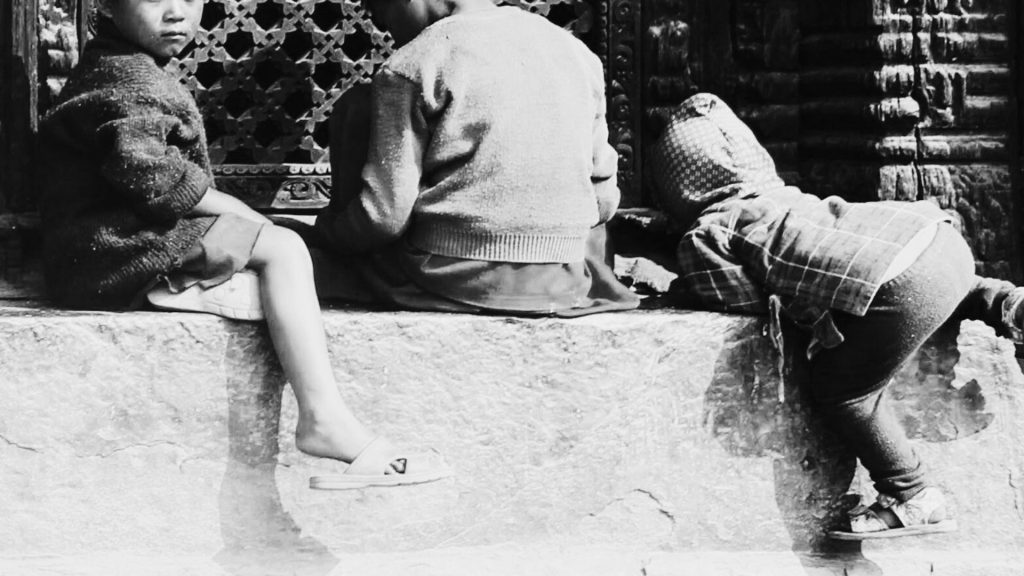
Vulnerabilities Faced by Orphans
- Lack of family support and protection.
Without parents or guardians, orphans often lack the consistent emotional, financial, and physical support that families typically provide. Moreover, absence leaves them without advocates for their education, healthcare, and rights—especially when the state does not see them as real “orphans”; but even if both the parents are deceased, Nepali orphans depend on institutions or temporary caregivers, who may not offer long-term stability.
In rural areas, children are especially vulnerable to neglect and abuse due to weak monitoring systems. The lack of adult protection also makes them more likely to experience discrimination or exploitation. For many, the loss of family is not only emotional but also a loss of safety and opportunity. - Poor access to education, healthcare, and livelihood opportunities.
Orphaned children frequently struggle to access essential services such as quality education and healthcare.
Without parental income or advocacy, many drop out of school early to work or survive on the streets, not knowing the true value of education as they see it as a hindrance more than an opportunity.
Healthcare is also often unaffordable or inaccessible, leaving illnesses untreated. These barriers make it difficult for orphans to build skills or sustain livelihoods later in life. Even when supported by institutions, the education they receive is sometimes limited to basic literacy. As a result, many grow up unprepared for independent living, perpetuating cycles of poverty. - Emotional and psychological challenges.
The trauma of losing one or both caretakers can leave deep emotional scars on a child. Many orphans experience grief, abandonment, and insecurity that affect their ability to trust others or form healthy relationships. In institutional settings, where care is often impersonal or inconsistent, these feelings can intensify. The absence of affection and belonging may lead to anxiety, depression, or behavioral issues.
Without access to counseling or psychosocial support, these children could carry invisible wounds that hinder their development. Healing requires more than shelter—it requires compassion, consistent care, and community support to rebuild a sense of hope and identity. - Risk of being targeted by traffickers, exploiters, or fake orphanages.
Orphans are among the most at-risk groups for trafficking, forced labor, and sexual exploitation in Nepal. Traffickers and exploiters often target children who are alone or desperate for help, deceiving them with false promises of education or work.
In some twisted cases, some orphans are even placed in fake or profit-driven homes that use them to attract donations from well-meaning tourists. Without strong protection systems, many children fall through legal and social cracks. Poverty, limited oversight, and the high demand for cheap labor further heighten this danger. Preventing such exploitation requires coordinated action—combining rescue, rehabilitation, and community-based reintegration efforts.

How to help
- Raising awareness about ethical support for children.
Spreading accurate information is one of the most powerful ways to protect children. Educate others about the realities of orphanhood in Nepal—many children in “orphanages” have families. Ethical support means promoting child rights, questioning exploitative institutions, and sharing stories that inspire sustainable, dignity-centered change. - Supporting family-based care over institutional care.
Whenever possible, children should grow up in loving families, not institutions. Supporting family-based care—such as kinship, foster, or community reintegration programs—helps restore a sense of belonging and emotional security. By prioritizing family support over orphanages, we help children develop healthy relationships and long-term stability in nurturing home environments. - Volunteering responsibly (avoid “voluntourism” traps).
Volunteering can make a real difference—but only when done responsibly. Avoid short-term “voluntourism” that separates children from families for donor appeal. Instead, volunteer with organizations that empower local communities, build skills, and strengthen family-based solutions. Responsible volunteering protects children’s rights while promoting meaningful, lasting impact. - Donating to organizations fighting trafficking and supporting vulnerable children.
Financial support can help protect Nepal’s most vulnerable children from trafficking and exploitation. Choose transparent, locally grounded organizations like Captivating International that focus on prevention, education, and empowerment among families. Every donation contributes to a safer future—where every child grows up free, protected, and full of hope.
Together, we can build a future where every child in Nepal grows up safe, loved, and free from exploitation. By supporting ethical, family-centered care and responsible initiatives, we give children not just shelter—but hope, belonging, and the opportunity to thrive in their own communities.
If you would like to help out victims of human trafficking, you may donate to our sustainable efforts for rebuilding survivors’ lives and preventing future victims here.
DID YOU KNOW?

Why Are Filipinos Not Talking About OSAEC?
Learn why conversations about online safety and OSAEC are often delayed in vulnerable…
0 Comments4 Minutes
International Day for the Eradication of Poverty: History and How to Help
Learn why the International Day for the Eradication of Poverty matters and how you can…
0 Comments9 Minutes
How To Protect Your Children Against Predators (आफ्ना बच्चाहरूलाई शिकारीहरूबाट कसरी जोगाउने)
अनलाइन यौन दुर्व्यवहार के हो भन्नेबारे जान्नुहोस् र आफ्ना बालबालिकालाई अनलाइन शोषण तथा…
0 Comments6 Minutes
Online Sexual Abuse Red Flags (अनलाइन यौन दुर्व्यवहार रातो झण्डा)
अनलाइन ग्रुमिङका चेतावनी संकेतहरू, देखिन सक्ने सामान्य संकेतहरू, र आफ्नो बच्चालाई अनलाइन…
0 Comments7 Minutes

Ligtas ba ang Anak Mo Online? Mga Senyales na Kailangang Bigyang-Pansin
Alamin kung paano makikilala at maunawaan ng mga magulang ang grooming at mapoprotektahan…
0 Comments13 Minutes

How To Make Children Feel Safe and Heard In Times of Emergency
Learn how to build trust with your children through open communication, empathy, active…
0 Comments4 Minutes
Australian Charities to Donate To Depending On Your Advocacy
Australian charities to donate to across health, food security, education, human…
0 Comments9 Minutes

How Less Screen Time Doesn’t Mean Less Risk From OSAEC
Reducing screen time isn't enough. Learn the offline factors that increase children's…
0 Comments4 Minutes
Online Sexual Abuse Red Flags
Learn the warning signs of online grooming, common red flags, and practical tips to help…
0 Comments8 Minutes