The Pig Farming Program aims to increase families’ overall income and ensure that they can sustainably support their children’s education and well-being. We hope the families can earn a profit of CNY 5,000 to 8,000 [USD 700 to 1,120] per year from the pig business.
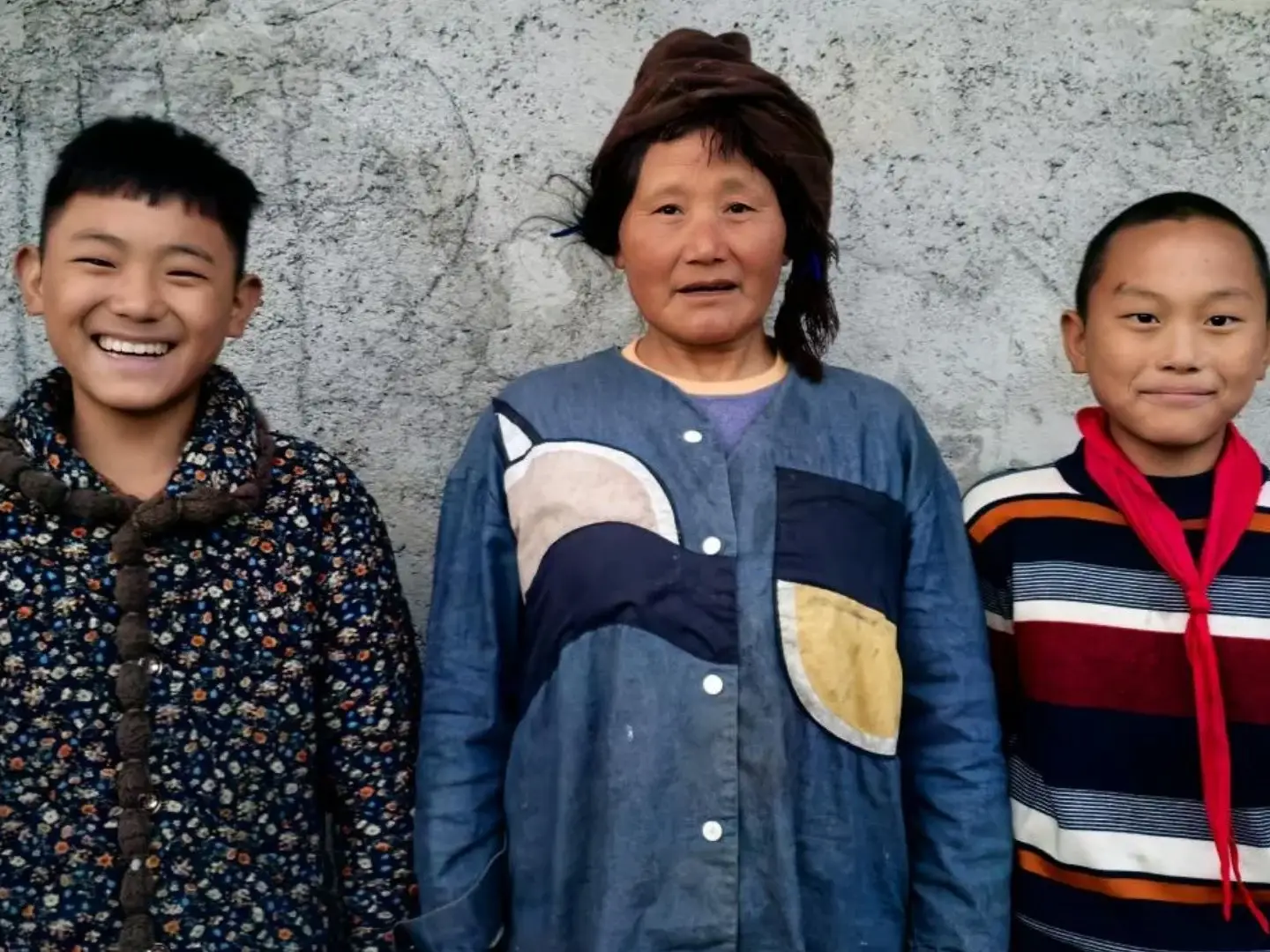
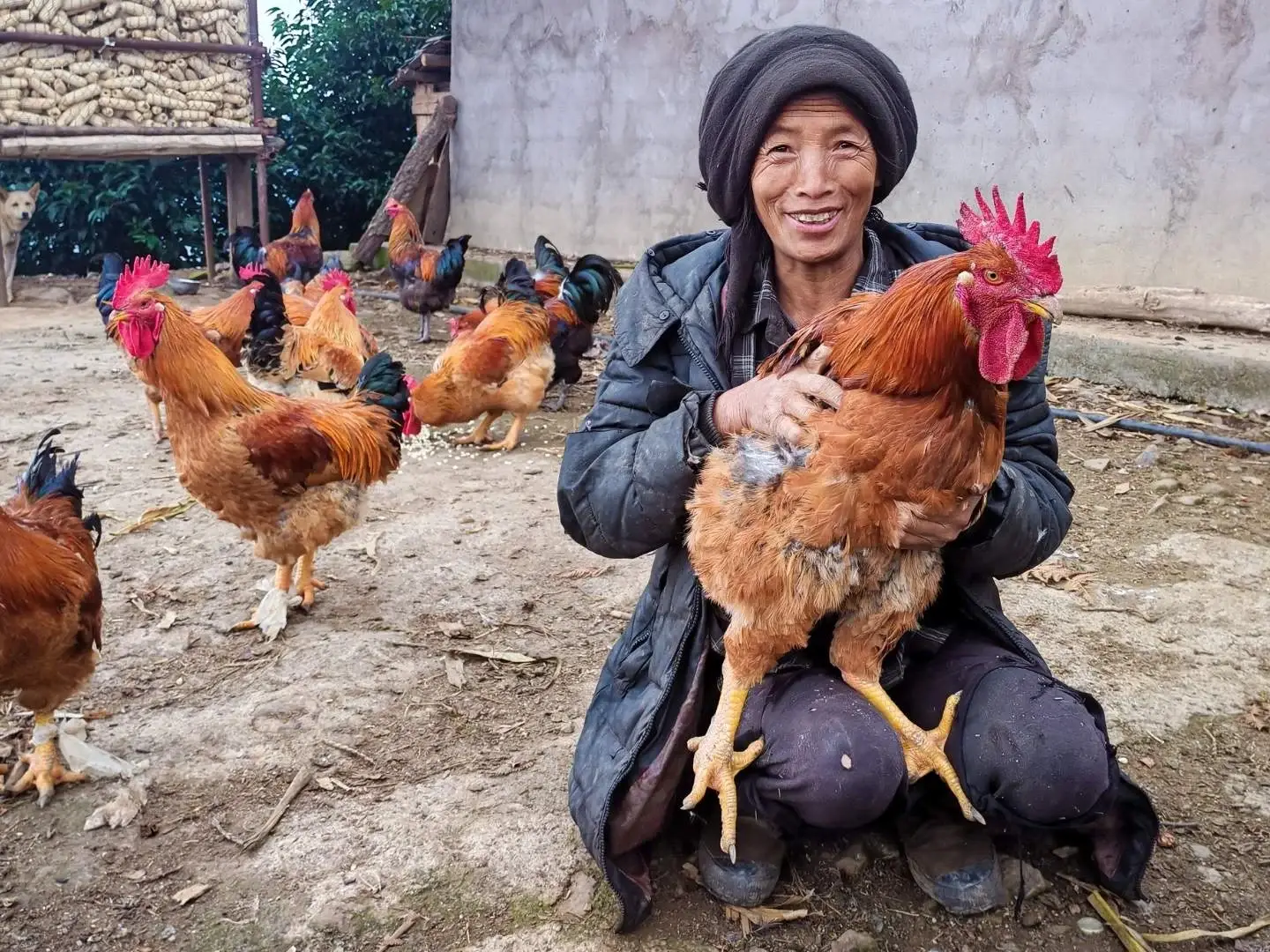
One of our beneficiaries is Jizi Kegu, a mother of a family of 5 in rural China. They live in a house that their family built with government support. Like many families in this part of the country, they were able to contract 8 mu of farmland where they grow corn and potatoes. The harvests they have are eaten by them and used to feed their 10 chickens, 3 pigs, and 2 cows. Every year, they sell their chickens, adding more to their household income.
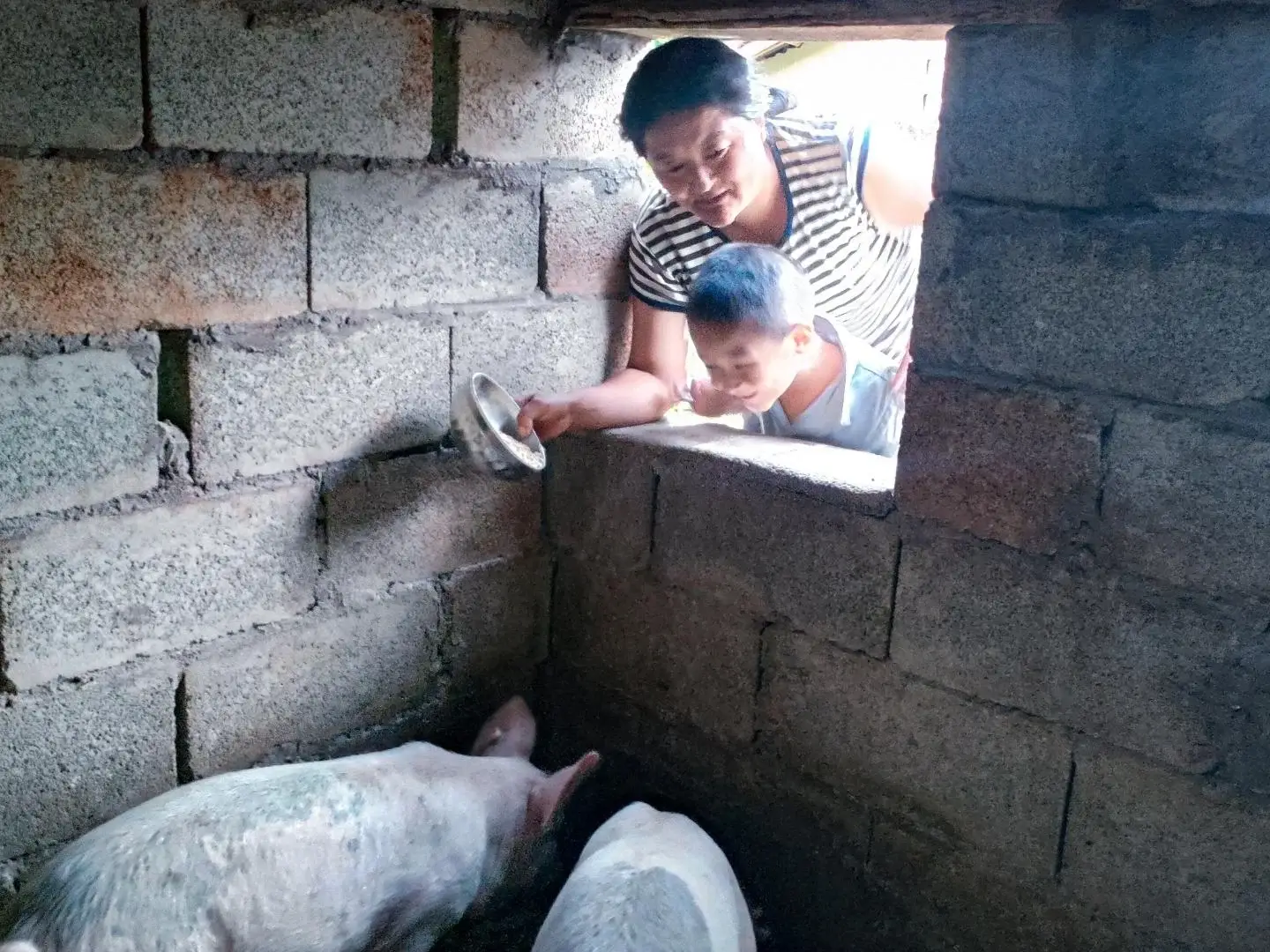
We recently visited her home to see developments since she joined the program. When we arrived at her home, her family was having a meal. They peeked at who we were, and upon learning that we were people from Captivating International, they put their bowls and chopsticks down and happily led us to the pigsty where the two piglets we gave were staying.
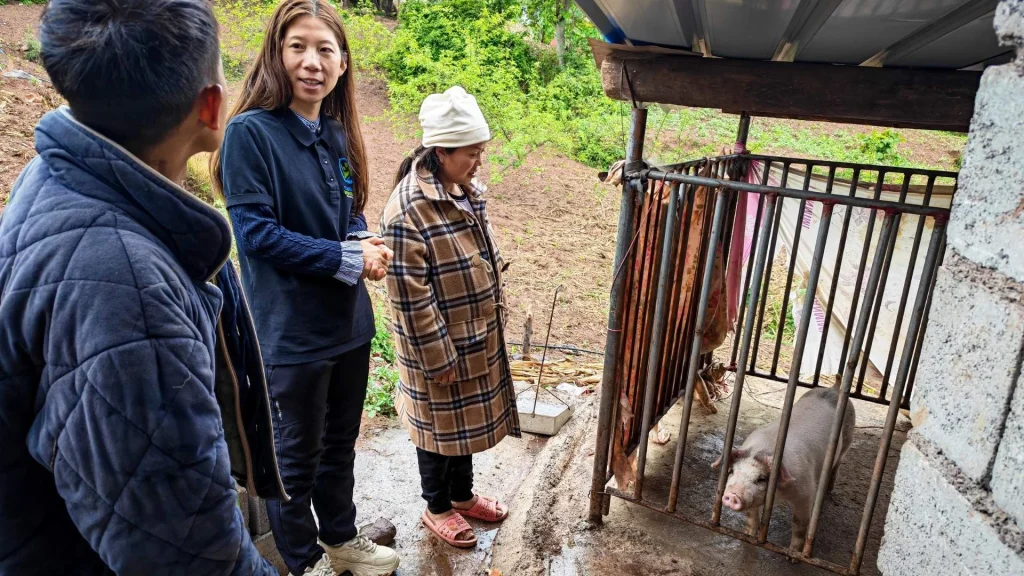
The two piglets are clean, healthy, and well-fed. Each piglet weighs about 50 jin (30kg). While talking with Jizi Kegu and her husband beside the pigsty, we learned that the clean and healthy condition of the pigs was largely due to them religiously following what was taught to them during the training we conducted. The couple now cleans the pigsty every day and follows a regular feeding schedule with measured portions.
The pigs are fed three times a day, according to Jizi: after 8:00 AM, around noon, and around 5:00 PM. They also add a small amount of glucose to the pigs’ drinking water.
While this looks like a smooth-sailing journey for the couple, they admitted that the pigs they raised were often dirty and looked like they were not going to grow well. But they stuck to the teachings at the training and trusted the process, and now they are seeing the results of their hard work.
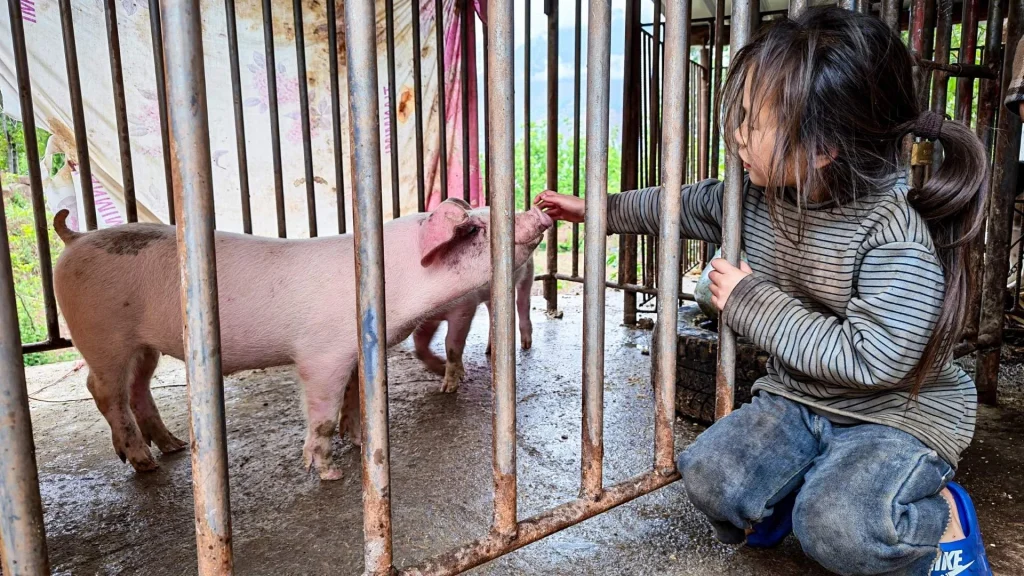
Not only were the piglets an added source of income, but it has been a source of joy to Jizi’s daughter. The child sometimes plays with the piglets, and the piglets have become friends with the child. It became an interesting dilemma for the couple whether to keep the pigs for their daughter and save her innocence, or sell them for money.
So, we asked them about their plans when the piglets mature, and Jizi’s husband said,
“After my wife gave birth to our baby, there is now another family member to support. Our two sons both have congenital disabilities, and I cannot go out to work because I need to take care of them. Our family’s financial situation is quite difficult.”
He explained that the two piglets are currently growing very well. Once they are fully grown, the family plans to sell one pig and use the income to purchase more piglets for continued breeding. One of them will be slaughtered for the family’s consumption. With this plan, we guess their daughter will have more piglets to play with, not less.
Before leaving, Jizi Kegu expressed her gratitude to our team and asked us to convey her appreciation to the caring supporters.
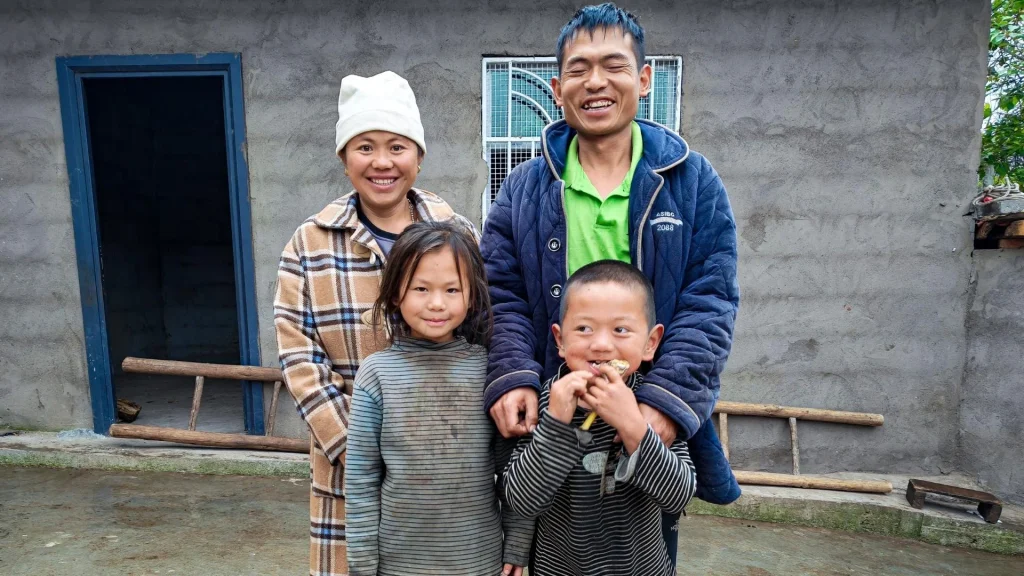
As we said our goodbyes, her youngest son was holding a chicken leg, happily eating and running around us. Jizi Kegu explained that her child has an intellectual disability and cannot express himself well verbally, but this gesture was his way of saying thank you to everyone who has helped their family receive this wonderful opportunity.
Our Partners

Be a Part of the Solution
By supporting the Pig Farming Program, you help provide crucial training, resources, and sustainable income opportunities for families in need.
Empower them today.