The Chicken Farming Program aims to help families increase their financial income, enabling them to better support their children’s education and overall well-being. We hope the families can earn a profit of CNY 3,000 to 6,000 [USD 420 to 840] annually. We would like to share one of our beneficiaries’ stories, Mosuo Jinzhu.
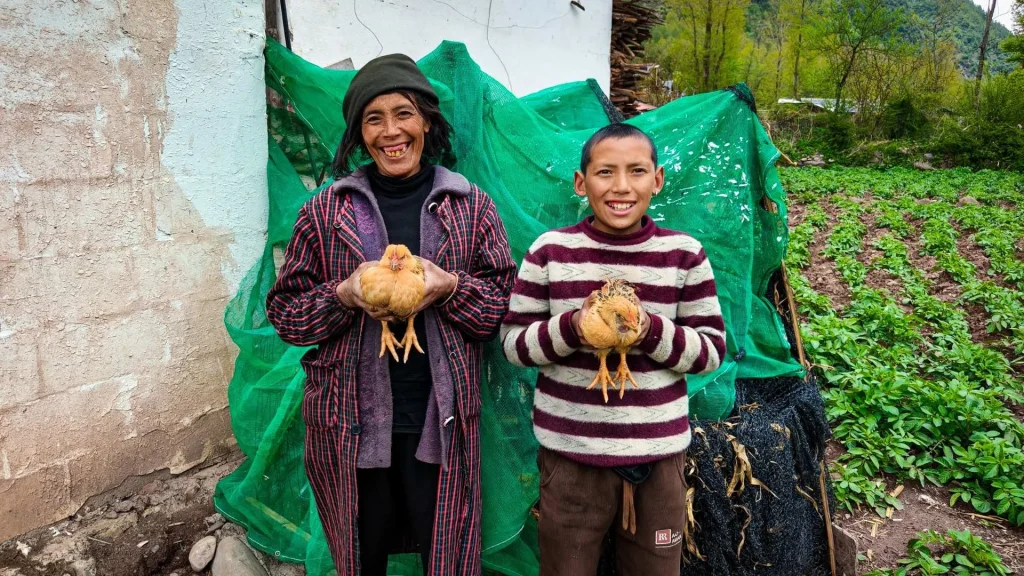
When we visited Mosuo’s residence, she was cooking a meal of boiled potatoes because her children would be home from school anytime soon. When she saw us arrive, she immediately set her work aside and greeted us warmly.
After all the pleasantries, we immediately went straight to what we came for. We asked her about the progress of her chicken farming project. She shared that 3 out of 20 chicks died the day after they arrived in her home. She did what she was instructed: she fed them brown sugar and ginger water only to see three of them die the next day. Curious, she wanted to know why it happened. With her knowledge from the training, she thinks that the cause was insufficient warming and failure to provide proper temperature protection.
Despite the initial failure, all remaining 17 chicks have been growing well with no health issues. Each of them weighs about 2.5 jin each (1.5kg).
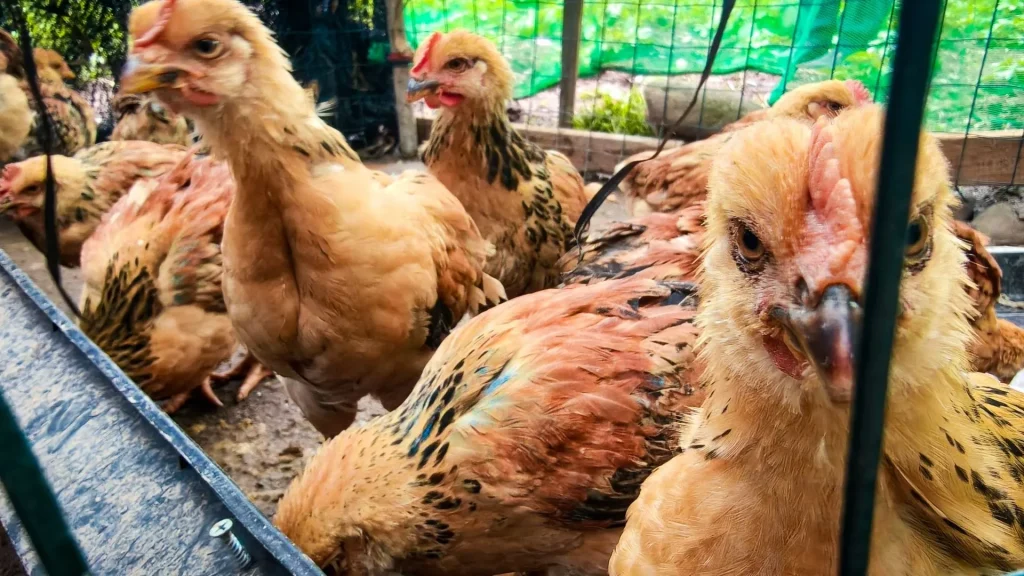
In April, she learned about chicken-tending techniques and Mosuo proudly shares how she remembers it all. She proudly explains the process like it were the back of her hand:
“If chickens develop signs of coughing or cold, they should be given amoxicillin and ginger brown sugar water immediately. At night, chickens should be returned to the coop, and heating lamps should be turned on to keep them warm. Feed should be provided three times a day at fixed times, clean drinking water should be replaced regularly, and the chicken coop should always be disinfected. 16 days after bringing the chicks home, feed can already be mixed with corn flour and buckwheat to help them grow better.”
We asked her if she had been taking care of chickens before our program, and she said yes, but she did not know about the scientific poultry-raising methods that we taught her. She only fed her older chicks twice daily and did not know about the ginger and brown sugar water. She also did not know about the importance of temperature control, disinfection, or a scientifically balanced feed. She only worked with what she knew.
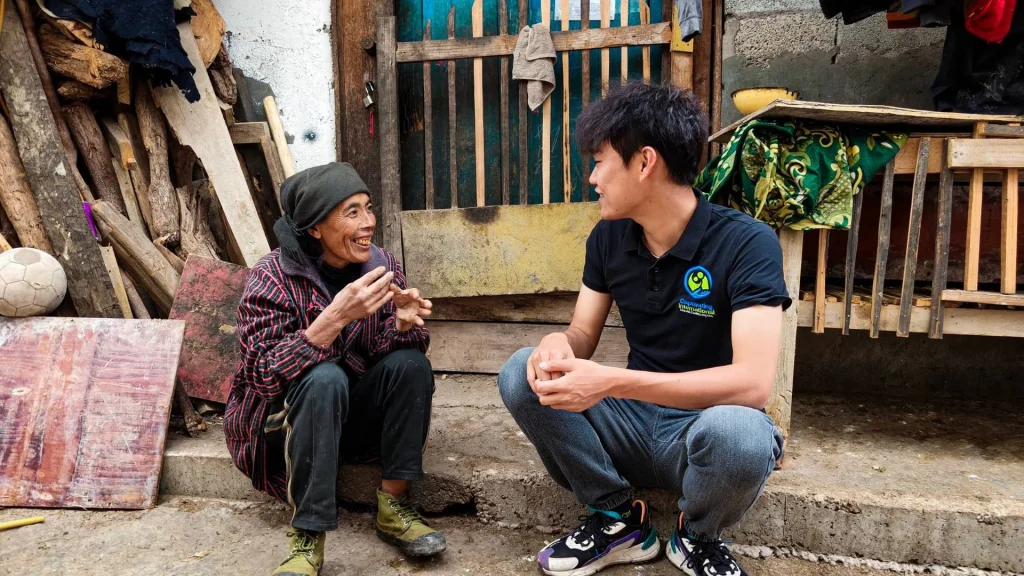
Now that she has more knowledge, she feels much more confident that all these 17 chicks will grow up to 10 jin each (6 kilograms). By then, she would sell them in the market to make money to pay for her children’s schooling and buy household necessities.
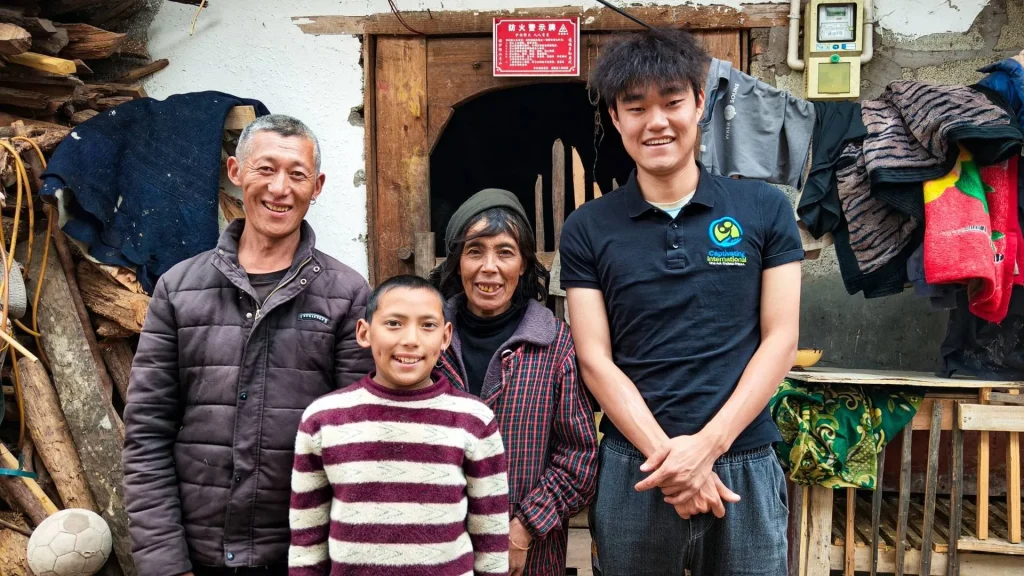
As our team prepared to leave, Mosuo repeatedly said “Kasha sha! Kasha sha!”, which means “Thank you” in the Yi Language. She also told our team to tell those who supported her family to come visit her home, and she will happily receive them as guests. We cannot help but appreciate this thoughtful offer. Seeing the sincerity in her eyes, we know that her gratefulness is just bound to bring her more blessings and happiness in the future.
Our Partners

Be a Part of the Solution
By supporting the Chicken Farming Program, you help provide essential training, resources, and a sustainable source of income for families in need.
Empower them today.