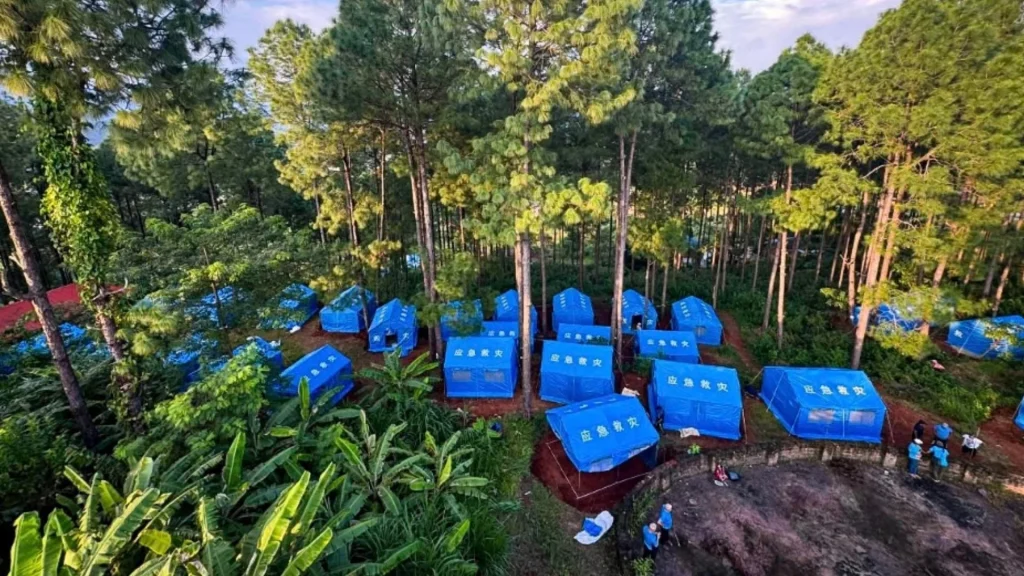
For many communities that were affected by the Nepal landslide, the crisis did not end when the floodwaters dried up. 41 families (196 individuals total) from Tiru, Rasuwa traveled over 30 kilometers to Pipaltar-2, Bidur, Nuwakot to camp in tents for temporary shelter.
It is true that the area is now relatively safer from the scene of the Nepal-Tibet flash floods. However, they still lack access to safe drinking water, functional toilets, handwashing facilities, reliable access to markets and healthcare, adequate electricity and lighting, and safe pathways around the tents during rainy days. Winter is approaching, and these problems could intensify further in the coming months.
Unfortunately, this was not the first time that this community experienced displacement. These families also felt the first-hand effects of the 2015 Gorkha earthquake. Now, 11 years later, their community was struck by the flash flood, and they are starting over again.
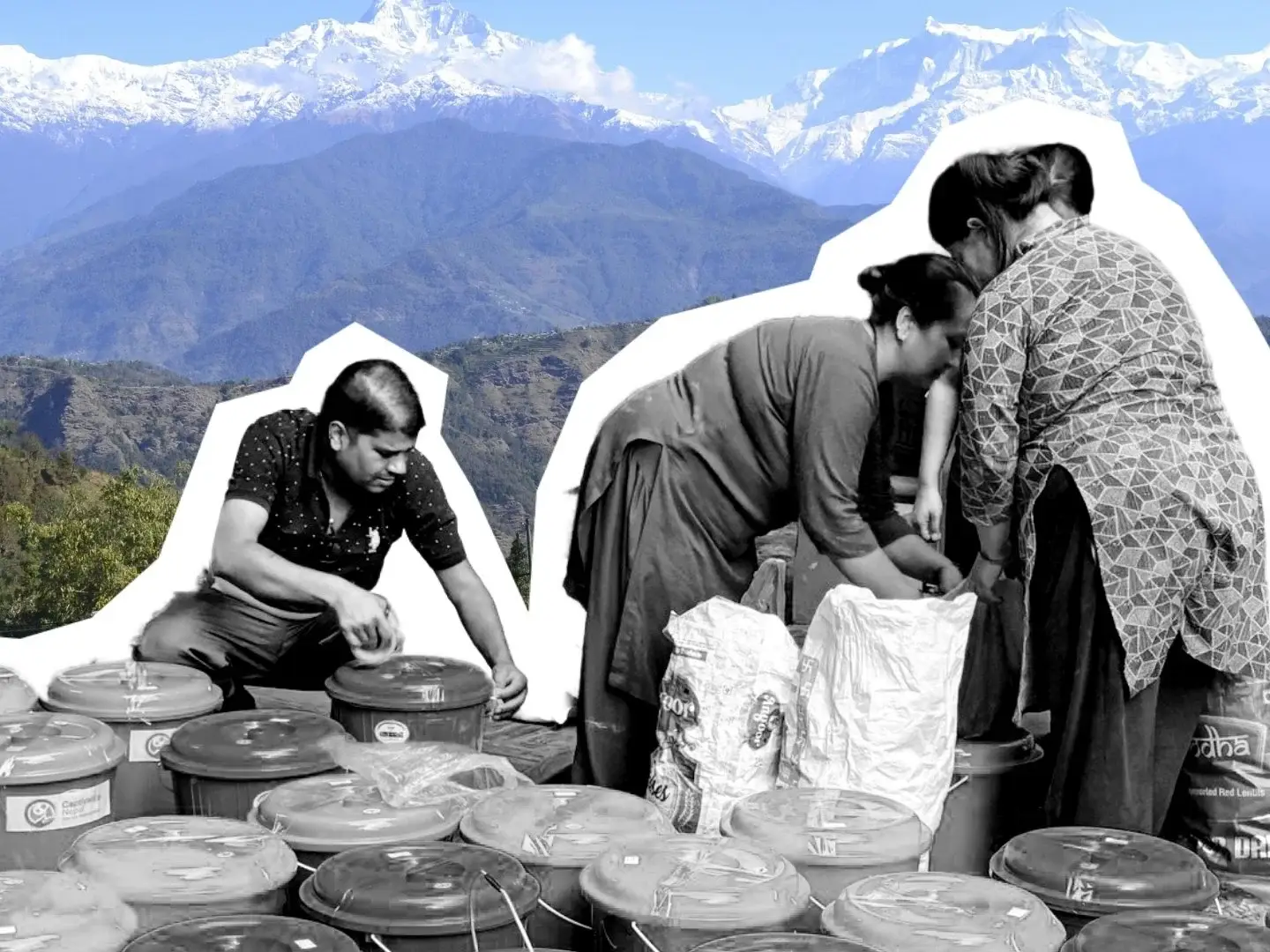
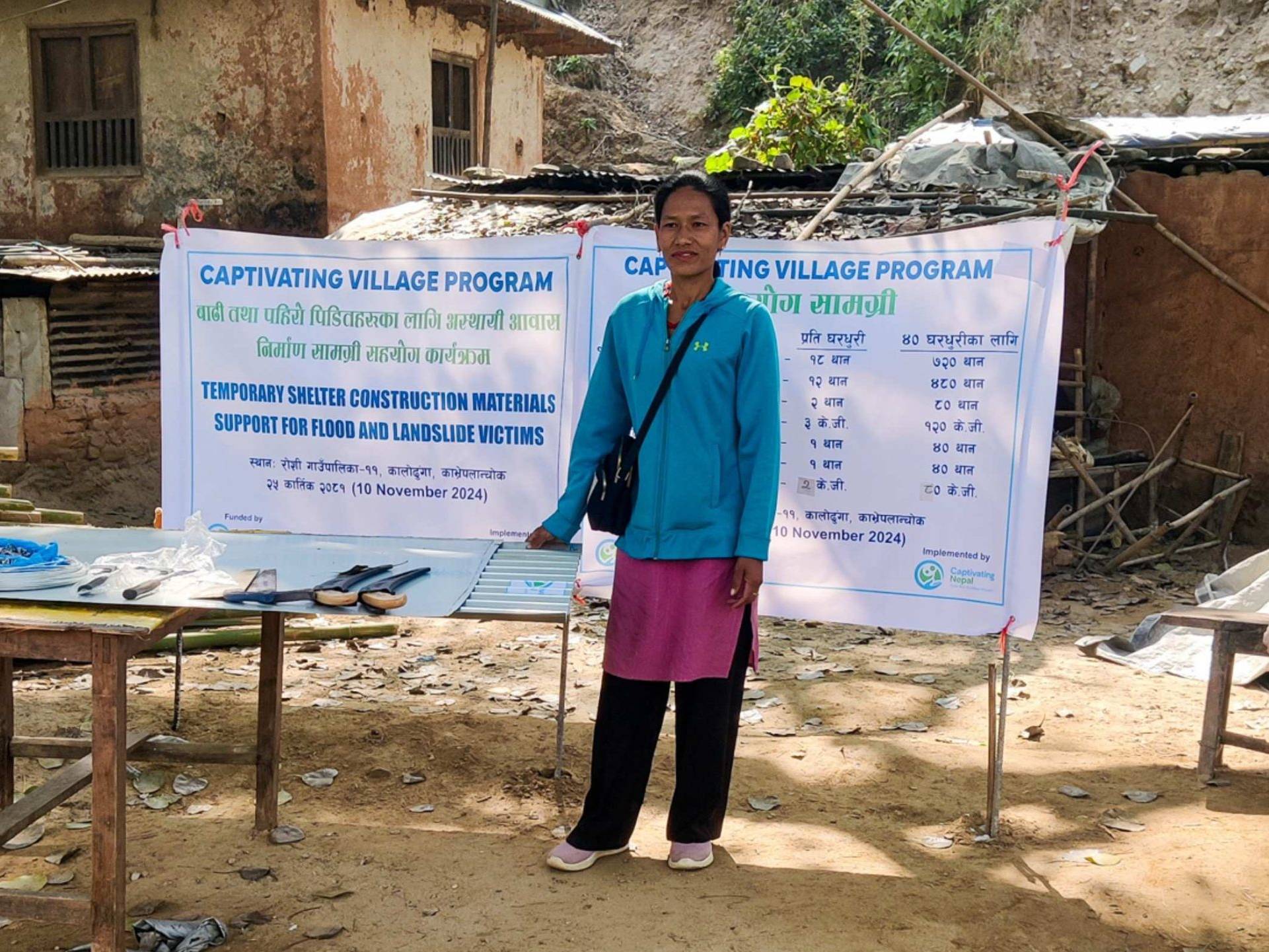
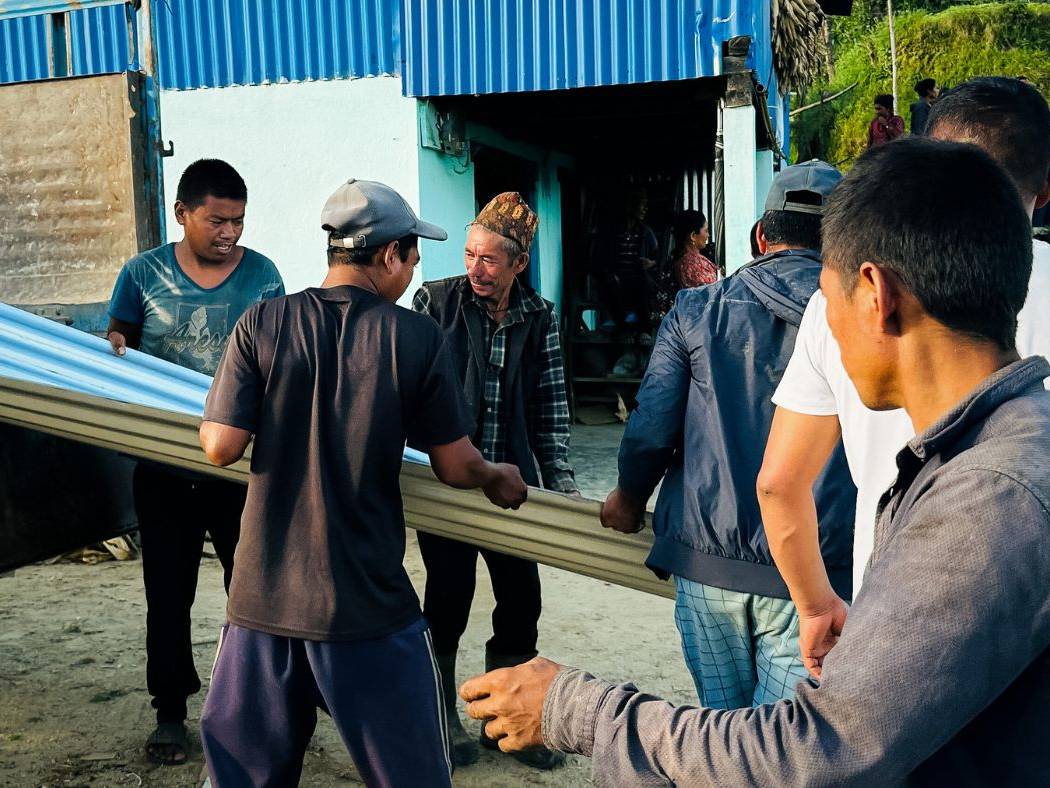
Our goal is to make their temporary shelters more livable. With our on-the-ground partner, Captivating Nepal, doing the hard work, as well as the support of Noble Compassionate Volunteers (NCV)—we responded to the community’s need with practical and immediate infrastructure support.
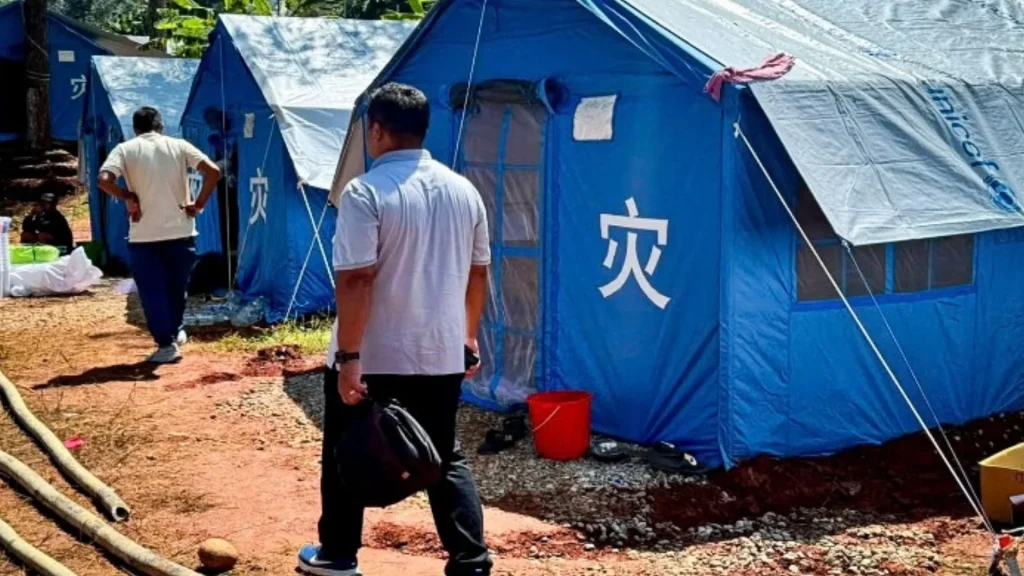
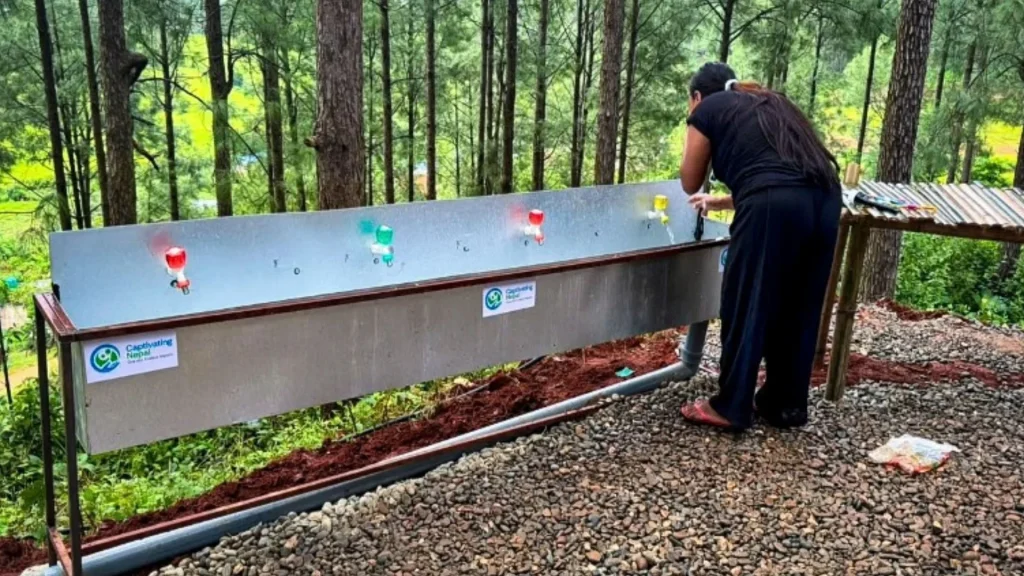
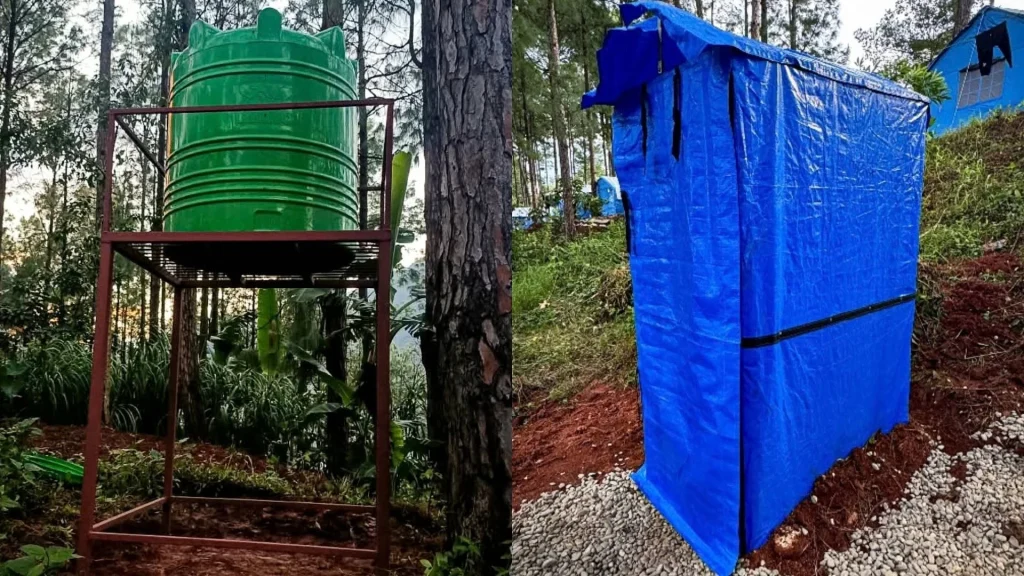
What our intervention yielded so far:
- Pebbles that were placed to improve muddy and slippery pathways around the tents
- 10 toilet rings, enabling the construction of 2 temporary toilets
- 2 handwashing stations
- Water tanks, stands, taps, and related fittings to provide water to the handwashing stations at any time of the day
- Electrical bulbs and wires for temporary electricity access
While the next steps for the permanent shelter of the displaced persons remain unclear, our efforts help re-establish dignity for 196 people through WASH (Water, Sanitation, Hygiene), safety, and basic electricity needs. Again, we thank our generous donors, Captivating Nepal, and our volunteers for the prompt action.
You may continue to donate and support our Stop Trafficking 5K Nepal Flash Flood and Emergency Relief Fund, starting at AUD 25 (USD 16).
Our Partner

Be a Part of the Solution
Support our emergency relief efforts and help rebuild communities devastated by natural disasters.
Every contribution counts.