
Conditions in Rural China are commonly extreme due to differences in opportunities compared to Urban China. Not only do they vastly differ in culture, land ownership, and healthcare, but they also lack one of the most fundamental aspects that could help an individual move forward and succeed in life: education. Despite 9-year education being compulsory in all of China, there are several factors contributing to the issue of education in this part of the country, including a shortage of teachers in schools.
If there is a shortage of school teachers, then why not hire more? Well, we do hope it was that simple.
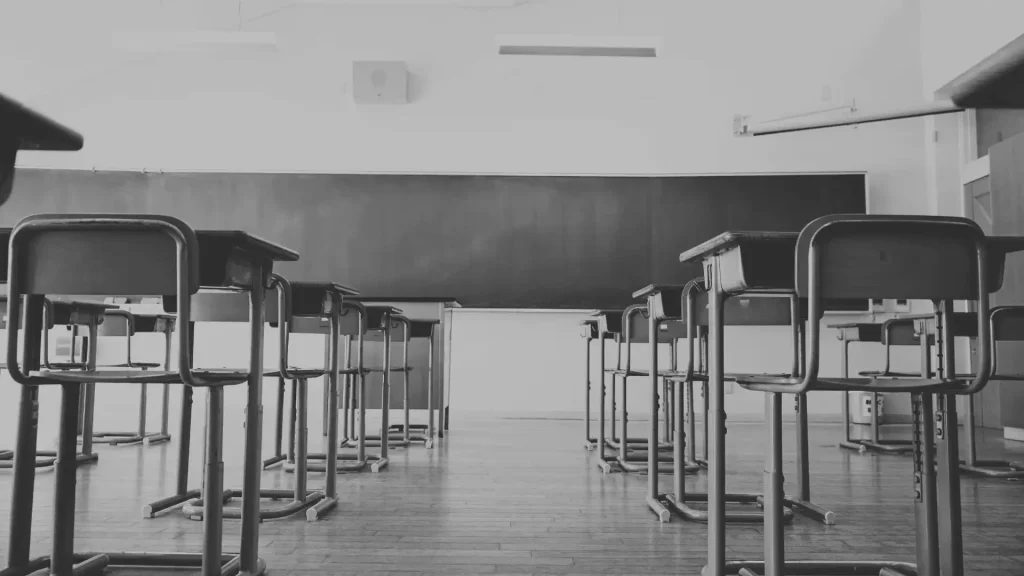
Severe Teacher Shortages in Rural and Remote Areas
Even the most passionate teachers often face burnout when they are not given enough resources and placed in uncomfortable working conditions. Although education is mandatory in China, qualified teachers are unevenly distributed in the rural areas.
Many teachers were positioned in Urban China, which in turn leaves the teacher in the rural areas to be responsible for students more than expected. For example, Teacher Shi Jian from Guan Tang Primary School had to look after students in multiple grade levels and is expected to teach subjects that are not her area of expertise. Either that, or there are not many students to teach anymore. Another primary school teacher faces the other side of the spectrum of extremes. Teacher Yang Jinhua is a primary school teacher at Muquiao Primary School in Chongqing. Despite only teaching two young boys on a daily basis, he takes his job seriously as he believes that no child should be left behind in receiving proper education.
In turn, since many of these teachers are burnt out, many students aren’t given proper attention. Not many plans are in place to ensure that every child is learning, making the entire learning process counterproductive for many.
For teachers in Rural China, passion must be the lifeblood of their work to keep going—but to some, it is not enough if they are faced with barriers that threaten their stability and safety.
Barriers to Attracting and Retaining Local Teachers
We frequently encounter girls from our various programs in Rural China who dream of becoming teachers themselves. There is no need to ask ourselves why, because the fact is too obvious to go unnoticed: teachers are these children’s beacons of hope, and there are only a few of them. The kindest dream to have for a young girl is to want to be the same.
The teachers in Rural Chinese schools have a high turnover rate. In one study conducted for kindergarten school teachers in this area, 79% expressed their intent to leave or move jobs. This is quite an astonishing number, but unsurprising due to factors like low pay, limited career advancement opportunities, and working in isolated areas discouraging many teachers from choosing this as a career path, especially when there are better opportunities for them.
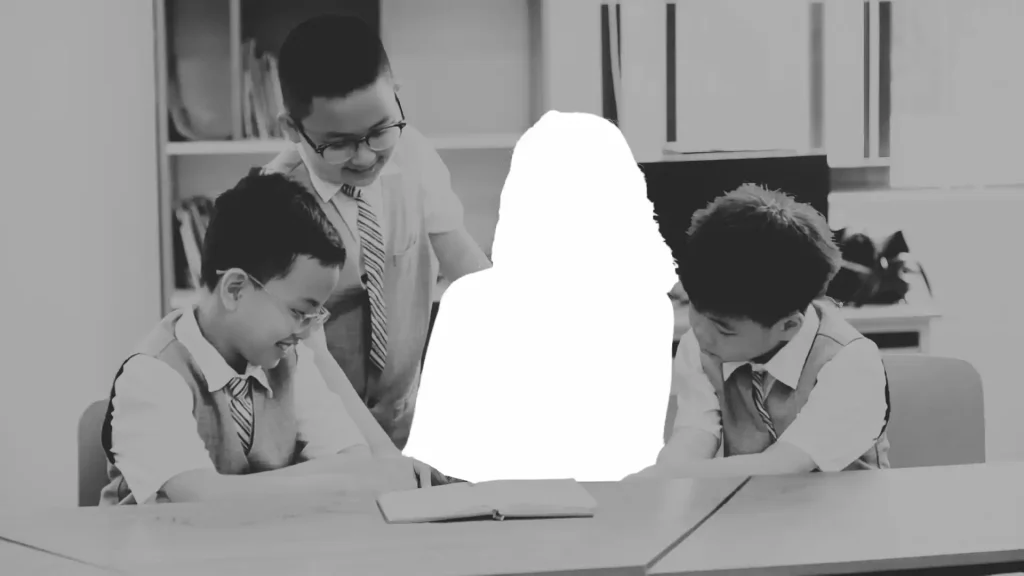
Low pay
This is one of the biggest factors about high turnover rates in these areas. Teachers in rural areas can many times only make CNY 3,000- CNY 5,000 per month, compared to CNY 8,000 to CNY 16,000 in urban areas. This is because many are only offered temporary jobs. While many teachers are provided with lodging or even food, the amount that they make is only sufficient for survival, but not enough to help their families or save up for future emergencies. In urban areas, teachers not only make more, but they also have more opportunities to make money through tutoring, as there are more parents willing to pay more for personalized learning.
Isolation
We have shared stories about how children walk through forests just to be in school. To some who have not been into these areas, their whole effort to go from one place to another is just unthinkable. They need to trek, climb, and cross paths just to be at their destinations. To others, this could be a planned hike, but to them, it is their everyday experience. The teachers had to go through these as well. If they are not from the area, they risk not seeing their family and friends for weeks or months because mobility in the mountains is difficult.
Limited career advancement
Even when teachers commit to rural schools, many find their professional growth opportunities severely constrained. In small, remote schools, leadership positions are scarce, and there are few pathways to promotion or administrative roles. Unlike urban schools, where teachers can advance to become department heads, senior instructors, or school administrators, rural teachers often remain in the same role for years with little recognition or professional development.
How volunteer teachers help
So, then why do we need volunteer teachers in Rural China? Well, because there aren’t too many. The employed professionals are burnt out and need help in easing their workloads. They also need more teachers who specialize in certain subjects and will bring more perspective to their classrooms. They may introduce new ideas, skills, share their worldviews, and encourage children to be more curious outside of lesson plans.
The good news is, you can help! Our Send A Volunteer Teacher Program in China lets you support altruistic volunteer teachers for a full year, including food, accommodation, and transport expenses, as well as a small incentive payment to keep them coming back. Our efforts to encourage young individuals to teach in these regions continue to inspire Children to dream within and beyond the mountains.
Sources:
Nielsen, A. 2018. “No Child Left Behind: Rural Education Status of China”. CGTN
Xiaoling, et. al. 2024. “Current situation and influencing factors of each turnover of kindergarten teachers – a questionnaire survey”. Pubmed Central. National Library of Medicine
Du & Xie. 2024. “A Study on the Relationship between Rural Primary and Secondary School Teachers’ Salaries and Their Intention to Leave”. Journal of East China Normal University.
DID YOU KNOW?

How To Protect Your Children Against Predators (आफ्ना बच्चाहरूलाई शिकारीहरूबाट कसरी जोगाउने)
अनलाइन यौन दुर्व्यवहार के हो भन्नेबारे जान्नुहोस् र आफ्ना बालबालिकालाई अनलाइन शोषण तथा…
0 Comments6 Minutes
Online Sexual Abuse Red Flags (अनलाइन यौन दुर्व्यवहार रातो झण्डा)
अनलाइन ग्रुमिङका चेतावनी संकेतहरू, देखिन सक्ने सामान्य संकेतहरू, र आफ्नो बच्चालाई अनलाइन…
0 Comments7 Minutes

Ligtas ba ang Anak Mo Online? Mga Senyales na Kailangang Bigyang-Pansin
Alamin kung paano makikilala at maunawaan ng mga magulang ang grooming at mapoprotektahan…
0 Comments13 Minutes

How To Make Children Feel Safe and Heard In Times of Emergency
Learn how to build trust with your children through open communication, empathy, active…
0 Comments4 Minutes
Australian Charities to Donate To Depending On Your Advocacy
Australian charities to donate to across health, food security, education, human…
0 Comments9 Minutes

How Less Screen Time Doesn’t Mean Less Risk From OSAEC
Reducing screen time isn't enough. Learn the offline factors that increase children's…
0 Comments4 Minutes
Online Sexual Abuse Red Flags
Learn the warning signs of online grooming, common red flags, and practical tips to help…
0 Comments8 Minutes
How To Protect Your Children Against Predators
Learn what online sexual abuse is and discover practical tips to help protect your…
0 Comments7 Minutes

How Can We Achieve Quality Education Across Nations?
Quality education is key to reducing poverty. This article explores global education gaps…
0 Comments8 Minutes