
Teacher Li Buran, a 19-year-old volunteer art and physical education teacher, was having a normal day at a school when a student asked her, “Teacher, did you also come from a faraway place? My dad works far away too, but he’ll be back soon. When he comes back, I’ll ask him to pay you and buy you some delicious spicy sticks.”
She was stunned.
From where she came, spicy sticks were among the cheapest snacks you could get. But in this part of her country, they were considered a novelty—a treat worth the wait from miles away.
In 2020, the Chinese government officially declared the eradication of extreme poverty in its country. However, realities that we encounter every day from rural China show that families continue to live with fragile incomes, limited access to quality education and healthcare, and face cultural barriers from the rest of the country. In this article, we will shed light on the realities of life in rural China: the numbers, livelihood, culture, education, healthcare, the gaps in resources, and how to help.
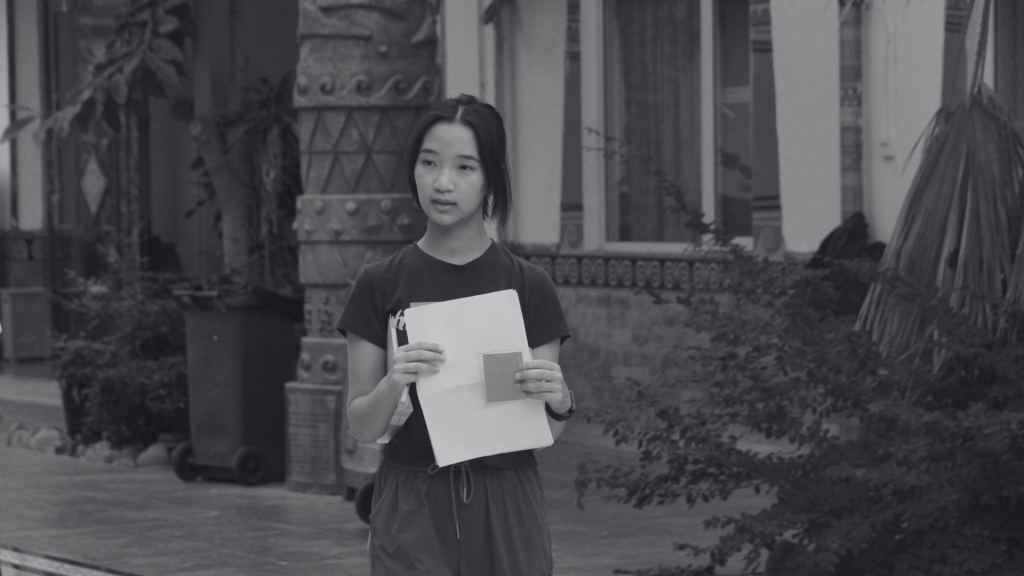
What “Poverty-Free” Means
Since the 1980s, the Chinese government has conducted active efforts to reduce poverty within its borders. In 2015, they started the “Decisions of the Central Committee of the CCP and the State Council on Winning the Battle of Poverty” — an initiative that aimed to lift 70 million people out of poverty by the year 2020 through occupational training, relocation, education, public health development, and social security endorsements. The standard by which someone is considered “poor” is defined through an annual income threshold, which adjusts over time.
There is no question that the impact of these efforts has been remarkable, although we must take into account the scale of the challenge.
About 40% of China’s total population of approximately 1.4 billion people lives in rural areas. The idea of living in rural areas isn’t a cause for concern itself, but the vulnerability of Chinese rural villagers and the quality of life could cause alarm. They are vulnerable recipients of economic shocks, seasonal changes, and natural disasters. Due to their distance, it is difficult to easily forward their concerns, leaving them dependent on charity organizations like Captivating International, scholarships, vocational training, and alternative means of income generation.
Basically, while the Chinese government announces the eradication of extreme poverty, many still need help while the country adapts to developing changes.
Livelihood through: Agriculture, Labor Migration, and the Emergence of New Skills
In many rural regions, Agriculture remains the backbone of their livelihoods. China is rich with land and is aware of it. Many of the residents in rural areas utilize it. In some countries, having access to real estate means abundance. But in China, this does not guarantee financial security due to two main reasons:
Rural land is collectively owned.
Private ownership of land does not exist in China. Urban land is state-owned, while rural land is owned by its residents. However, “residents” do not mean individual private ownership, but rather communal ownership. Farmers do not own the land outright. They hold contractual land-use rights, which can be transferred or leased under certain regulations, but they cannot privately sell the land itself. Sometimes, the government might need some part of the land for its development. But even then, the compensation that the residents will get is not truly reflective of the property’s value. The best option that they have? Using the land for agricultural purposes that benefits the family that uses it and the country at large.
Since the farm is not fully owned by one person. While land-use rights are relatively stable, uncertainty around long-term policy and land requisition may influence investment decisions. Many farmers do not invest in irrigation, enhancing soil quality, and better seeds. They may instead use their money for something else, like their children’s education or saving money for seeking migrant work.
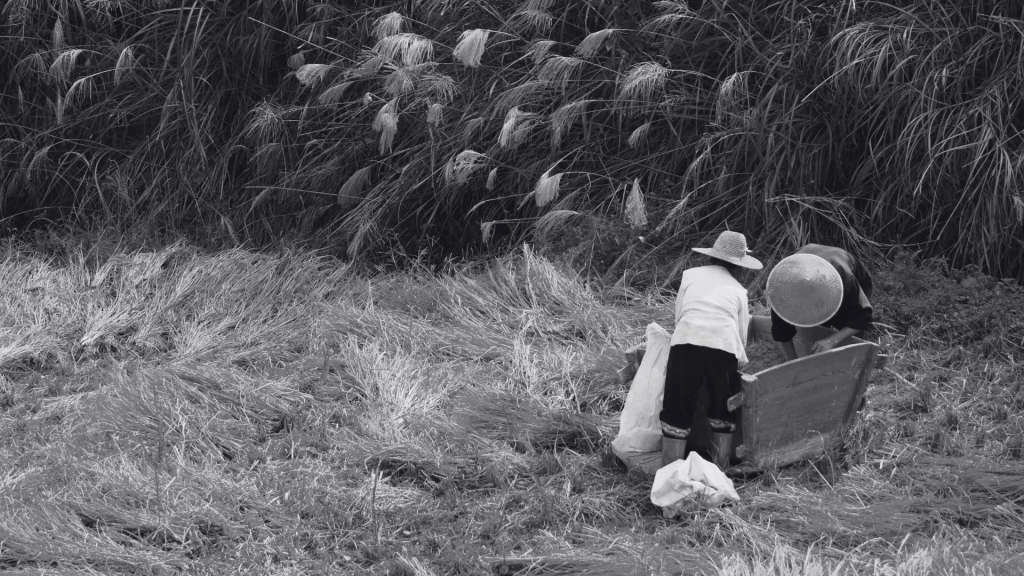
There is no clear system to connect farmers to buyers.
Farming is one thing, but selling is another. In many of the beneficiary stories we share on our website, even a bountiful harvest does not automatically equate to income. Farmers need to travel far to sell their harvested crops. If unsold, they use them for household consumption along with their unsold livestock. Moreover, the plots of land are not all coordinated. They are scattered in small plots, making it difficult for farmers to coordinate. Instead of accumulating a huge, consistent yield every season, many farmers go unnoticed and left to find their own ways to make money out of their harvests.
The kind of crops that these farmers harvest also offers low profit. They grow rice, corn, potatoes, and basic vegetables that do not give enough of a competitive advantage over other farmers. When unsold in the market, they turn to their last resort by selling them to middlemen at very low prices.
The culture
There is no single representation of Chinese culture. Rural China is never monolithic. Values, languages, and social dynamics vary among various areas. This is a huge part of what makes this country so interesting, but it could pose some issues in the quality of life of its inhabitants.
Mandarin is the national language of China, but, like other rich languages, it has regional variants. Linguists have split Chinese into 7-10 local languages. Differences in communication could hinder their education and their attempts to connect outside their communities. For organizations like us that coordinate and support training programs to marginalized women, we need extra effort to incorporate local languages in our materials and modules to make it easier to relate to these communities.
These communities are, by default, shaped by Confucian influence. Meaning, they have strong respect for authority and elders, while choosing to find social harmony instead of confrontations. While these ideals are not representative of individual values, they create societal expectations that communities generally abide by.
In agricultural communities, the citizens’ lives are heavily shaped by their seasons; each has different traditional approaches based on its community. There are 56 officially recognized minority groups—making it difficult for the person on the outside to contain only one idea of a rural Chinese culture.
The Left-behind Children
Since agriculture is not a very profitable livelihood option, many parents flee to the city to seek better-paying jobs, leaving their children behind to be looked after by the grandparents. According to previous national estimates, tens of millions of children were once categorized as “left-behind” in rural China, although recent figures show a decline. The caregiving duties for these children were typically passed on to their grandparents. The existence of this phenomenon is worth noting because the future of the Chinese government relies on the young for the future workforce.
Education
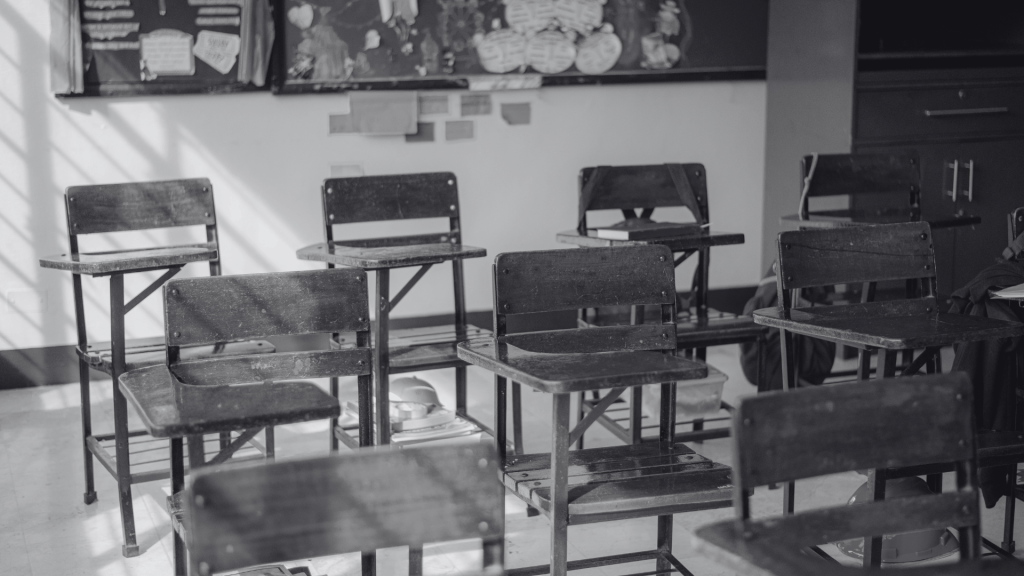
Education is compulsory for 9 years in China. However, urban and rural schooling are very different. In the city, it is easier to access schools, hire teachers, and learn new ideas due to the overall use of Mandarin. Meanwhile, in the rural areas, schools are farther. In some remote areas, small schools may have only a few teachers responsible for multiple grade levels, which reduces focus on individual children’s learning progress. In the previous years, China has made significant improvements in school infrastructure, but as many schools are being improved, many still face infrastructure challenges. Moreover, although there are qualified teachers to facilitate the learning, many lack specialization in various subjects like English, science, arts, or physical education.
One of the small glimmers of hope we find amidst this educational gap is the dreams of the children whose education we sponsor. Many of them, like Mahai (one of our beneficiaries in our One More Year Scholarship Program), dream of becoming a future teacher of their community because they see the real need for more teachers there.
Healthcare
Rural China relies on a tiered health system: village clinics (most basic), township centers, and county hospitals. Village doctors play a key role, but staffing is often insufficient, and resources are way limited compared to those offered in urban areas.
The elderly are more susceptible to chronic illnesses and need constant medical attention. In an ideal scenario, healthcare in this area must be prioritized more. In remote locations, medical staff are often at minimal levels. The nearest clinic may be 10 km away, and ambulances take far too long, leading to some tragic consequences for people needing urgent care. In some remote communities (mountainous and thinly populated areas), residents rely on mobile clinics to provide a lifeline.
Conclusion
Rural China is far more diverse and complex than many people realise. Its communities are shaped by long-standing traditions, Confucian ideology, tight-knit family structures, and the daily challenges of limited resources, migration, and uneven development. Understanding these realities helps us see beyond stereotypes and appreciate the resilience and values that define rural life. For nonprofits, educators, and advocates, recognizing this diversity is essential for designing programs that truly meet local needs.
By approaching these communities with respect, listening to their experiences, and telling their stories with care, we can support meaningful, culturally grounded change that uplifts the people at the heart of rural China.
If you want to extend a helping hand to these rural Chinese villagers, we can help rural Chinese communities progress through bridging education gaps and providing livelihood opportunities. Donate today or learn more about our work in China.
DID YOU KNOW?
International Day for the Eradication of Poverty: History and How to Help
Learn why the International Day for the Eradication of Poverty matters and how you can…
0 Comments9 Minutes
How To Protect Your Children Against Predators (आफ्ना बच्चाहरूलाई शिकारीहरूबाट कसरी जोगाउने)
अनलाइन यौन दुर्व्यवहार के हो भन्नेबारे जान्नुहोस् र आफ्ना बालबालिकालाई अनलाइन शोषण तथा…
0 Comments6 Minutes
Online Sexual Abuse Red Flags (अनलाइन यौन दुर्व्यवहार रातो झण्डा)
अनलाइन ग्रुमिङका चेतावनी संकेतहरू, देखिन सक्ने सामान्य संकेतहरू, र आफ्नो बच्चालाई अनलाइन…
0 Comments7 Minutes

Ligtas ba ang Anak Mo Online? Mga Senyales na Kailangang Bigyang-Pansin
Alamin kung paano makikilala at maunawaan ng mga magulang ang grooming at mapoprotektahan…
0 Comments13 Minutes

How To Make Children Feel Safe and Heard In Times of Emergency
Learn how to build trust with your children through open communication, empathy, active…
0 Comments4 Minutes
Australian Charities to Donate To Depending On Your Advocacy
Australian charities to donate to across health, food security, education, human…
0 Comments9 Minutes

How Less Screen Time Doesn’t Mean Less Risk From OSAEC
Reducing screen time isn't enough. Learn the offline factors that increase children's…
0 Comments4 Minutes
Online Sexual Abuse Red Flags
Learn the warning signs of online grooming, common red flags, and practical tips to help…
0 Comments8 Minutes
How To Protect Your Children Against Predators
Learn what online sexual abuse is and discover practical tips to help protect your…
0 Comments7 Minutes