
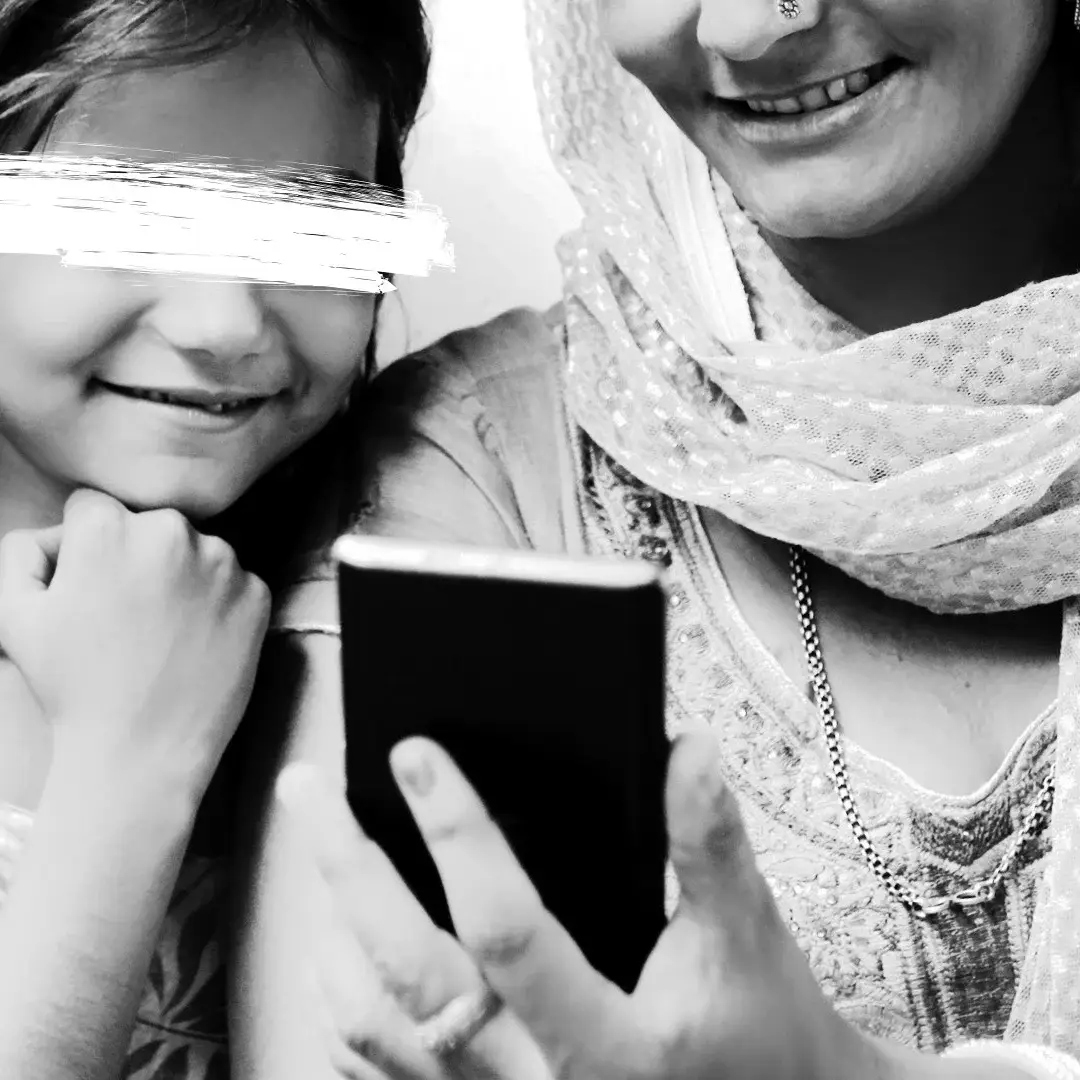
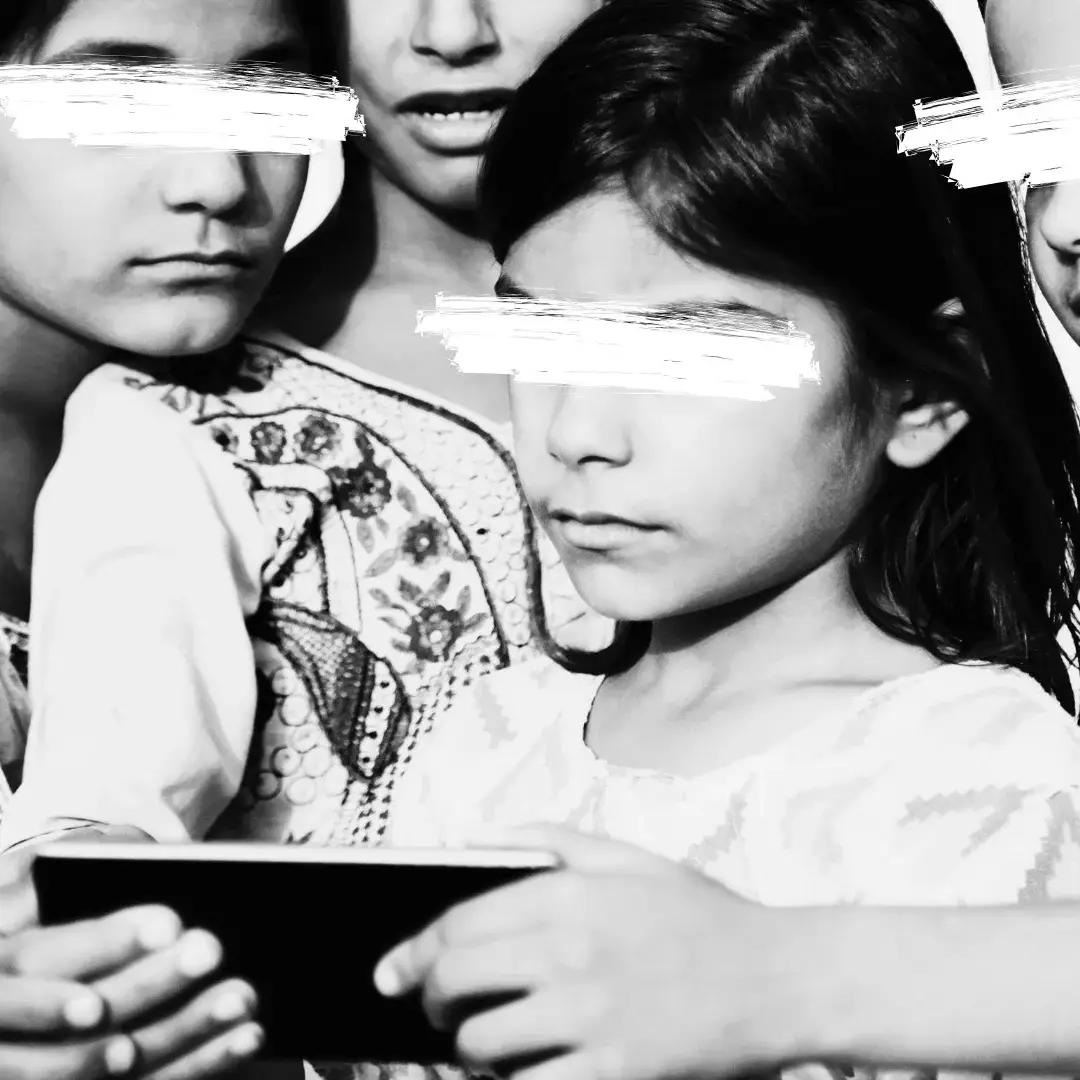
One of the most common internet jokes that are half-meant that parents say nowadays is “It’s those damn phones!”, or in the Philippines, “Kaka-cellphone mo yan” to blame every decline in school performance, their children’s poor disposition, or even something as extreme as cyber abuse. So when a child gets abused online, the solution that parents usually make is to reduce their screen time.
Although it does make sense statistically, less time online means fewer chances of interacting with potential abusers—it does not completely eliminate the chances of online abuse. Vulnerability to Online Sexual Abuse or Exploitation of Children (OSAEC) and other forms of online violence goes beyond screen time. This article does not discourage you from enacting stricter and more intentional screentime boundaries—but it explains how online usage of children is only amplifying what has already been happening offline.

Offline Factors That Contribute To Vulnerability
Social media apps have their own faults, yes. But what they do is mostly amplify what has already been happening offline. Emotional, social, and economic factors can contribute to abuse.
Predators have an instinct for spotting children who are emotionally or socially vulnerable. Those who may be lonely or going through domestic challenges at home may seek out refuge on the internet. When they do, predators can reach out to them and provide comfort that the children could not get offline.
Similarly, those who are more economically disadvantaged are more prone to fall for “get money quick” scams. They may offer to provide monetary compensation for something as quick as a private photo, a favor, or pieces of data that could later be used to exploit them even more.
The factors cannot be changed overnight, but there are ways to enhance the protection of your children from cyber abuse.

What To Do Beyond Reducing Screen Time
Establish open communication and trust
Trust and communication are key to preventing problems before they even happen. You can do this by constantly checking on your children about their daily experiences, reacting calmly if they share a mistake, and not turning it into a sermon, and framing rules as points of safety and not their punishment.
Secure digital environment
By doing so, you may start by setting their accounts to private, establishing parental controls on their apps, turning off location sharing settings, and immediately blocking abusive or suspicious individuals online.
Build digital literacy
In truth, even adults can lack digital literacy, which can also trickle down to their children. As a parent, it is your responsibility to help yourself and your child learn about the basics of digital literacy. Teaching them about the permanence of digital footprints could help guide their decisions, like not interacting with strangers and not giving them access to photos or other forms of media.
Check warning signs
A parent’s instinct is always strong, so watch out for sudden changes in device habits, their withdrawal from family and friends, drops in mood or school grades, and their overall disposition before and after spending time online.
Safety requires work. These platforms only manifest what is already going on offline, so it is best to work on those alongside setting boundaries, such as less screen time. We work on spreading the word against OSAEC in impoverished areas in Manila through our Stop Cybersex Crime: Awareness and Education Program. Donate today.
DID YOU KNOW?
How To Protect Your Children Against Predators (आफ्ना बच्चाहरूलाई शिकारीहरूबाट कसरी जोगाउने)
अनलाइन यौन दुर्व्यवहार के हो भन्नेबारे जान्नुहोस् र आफ्ना बालबालिकालाई अनलाइन शोषण तथा…
0 Comments6 Minutes
Online Sexual Abuse Red Flags (अनलाइन यौन दुर्व्यवहार रातो झण्डा)
अनलाइन ग्रुमिङका चेतावनी संकेतहरू, देखिन सक्ने सामान्य संकेतहरू, र आफ्नो बच्चालाई अनलाइन…
0 Comments7 Minutes

Ligtas ba ang Anak Mo Online? Mga Senyales na Kailangang Bigyang-Pansin
Alamin kung paano makikilala at maunawaan ng mga magulang ang grooming at mapoprotektahan…
0 Comments13 Minutes

How To Make Children Feel Safe and Heard In Times of Emergency
Learn how to build trust with your children through open communication, empathy, active…
0 Comments4 Minutes

Australian Charities to Donate To Depending On Your Advocacy
Australian charities to donate to across health, food security, education, human…
0 Comments9 Minutes
Online Sexual Abuse Red Flags
Learn the warning signs of online grooming, common red flags, and practical tips to help…
0 Comments8 Minutes
How To Protect Your Children Against Predators
Learn what online sexual abuse is and discover practical tips to help protect your…
0 Comments7 Minutes

How Can We Achieve Quality Education Across Nations?
Quality education is key to reducing poverty. This article explores global education gaps…
0 Comments8 Minutes

Why Are The Poor Always Online? How Poverty Affects Social Media Usage
Exploring how poverty increases vulnerability to social media risks like scams,…
0 Comments8 Minutes