
In Nepal, the legal age to marry is 20, two years older than the average age in most countries worldwide. Despite this, Nepal is still home to over 5 million child brides, and without intervention, the number could rise and affect millions of lives that are stuck in the same cycle of poverty and gender-based violence. Why does child marriage happen in this part of the world? What are its consequences? And what are we currently doing about it? This blog post will explain it all.
The Main drivers
The cause (or must we say, causes) of child marriage comes from very complicated origins. Since it is an intersection of various problems, it becomes a kind of symptom of immense poverty, gender violence, and other forms of cultural malaise.
Patriarchy
We must highlight that, first of all, child marriage does not only happen to girls, but to boys too. However, child marriage of girls is much more common in Nepal due to its very patriarchal standards.
Gender roles are heavily imposed by society. Women are expected to manage households, bear children, and perform unpaid labor in domestic responsibilities. Women and girls are exiled for experiencing basic biological functions like menstruation and childbirth through chhaupadi—a traditional practice that forces women to leave their homes to live in sheds or stables because they are seen as dirty. If a girl is merely punished for her body, one can only imagine how much more exile she would experience when she makes her own choices.
Gender discrimination has one of the biggest effects on child marriage and education. Many of the girls we encounter for our projects, like The Captivating Village Development Program, have never experienced formal education. To their families, it is already unquestioned “common sense” not to send girls to school because they do not need it. In their belief, these girls are going to marry and bear kids anyway, while their husbands will be responsible for providing for their families—hence there is no longer a need for their education. Their beliefs were designed to keep women dependent on the men in their lives just to survive.
Because of a system that treats women as secondary citizens, an entire society will act on this belief, hence showing symptoms like child marriage, among other alarming things.
Teenage Elopement
Living in a society that conditioned women to be seen by society and by themselves as the lesser sex brings a truly painful and overwhelmingly poor quality of life. While many of them do not realize why that is, it is surely felt, and they find ways to get rid of the discomfort they face in their own homes, communities, and public spaces. Since culture has taught them to be dependent on men, many believe that marrying a man with a promise of a better life is the real and only escape from the world’s mistreatment of them.
Poverty
Like gender discrimination, poverty pushes people to great lengths just to escape it. Poverty is immensely cruel to women. Not only are they experiencing the dehumanizing consequences of patriarchy, but they are also even more dehumanized and devalued for being poor.
In many poverty-stricken families, every mouth to feed means more income that the family must make. Their solution? Marrying off their daughters as early as possible, even before they are of legal age. This way, the daughter is now her husband’s priority and no longer her father’s. What other option do they have? When they are young, uneducated, or have no livelihood options of their own, one of the best and viable options they have is to find a man to marry.
Targeted Communities
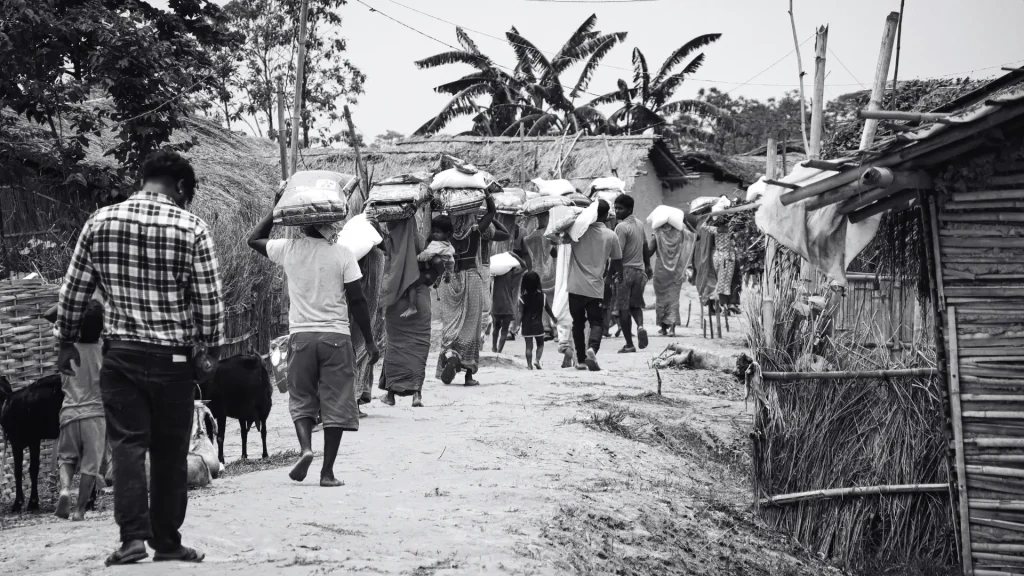
Nepal still follows a caste system, a social structure that places people into fixed groups based on their birth and family lineage. Those who sit at the lowest often suffer the worst from the already-present forms of discrimination that women and the poor face.
Dalit and Janjati communities are the most vulnerable groups in Nepal, placing them at higher risk for child marriage and early pregnancy. Families in these communities often see marrying off their daughters as a survival move, or a way to look after their daughters instead of exposing them to far greater dangers.
The Consequences
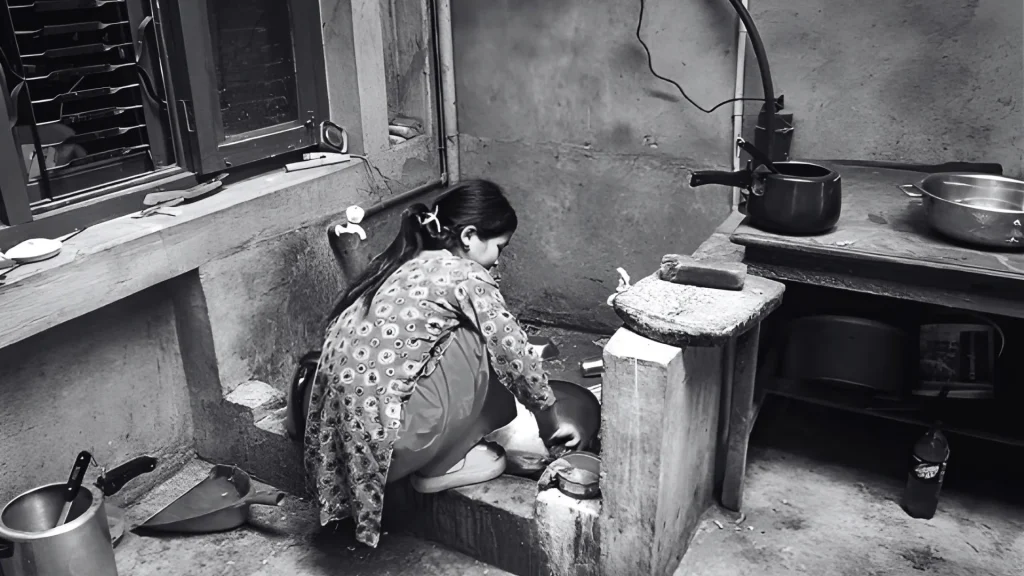
To understand the real-life consequences of child marriage, we are sharing the story of Pushpa* (Name changed for privacy), one of our beneficiaries from the Women’s Safe Haven in Pokhara.
Pushpa is now in her mid-twenties, but when she was only seven years old, her parents married her off to an older man. Her family was poor, and she was only able to attend school up to sixth grade. At first, it seemed like the marriage was going well. Her husband seemed loving, and it made Pushpa think that she made the right choice to marry. The honeymoon phase was strong, and it led to them having their first child.
When the baby boy arrived, it seemed like something changed in the atmosphere. The pressure and labor of caring for a newborn unmasked the man’s true colors. When things were no longer easy, he started verbally abusing her and treating her with contempt. He eventually abandoned her, and Pushpa was left with no choice but to go back to the family that married her off for financial reasons.
When she arrived, she expected warmth, shelter, and understanding. But instead, her family did not want her there. Not only because they had more mouths to feed, but because they did not want to be associated with a “failed wife”, as their community considered it shameful to become a single mother. Instead of seeing the reality that a man failed to honor and provide for his family, they see it as a failure for the woman to keep her husband. It was a shame so deeply entrenched in their culture that not even those bound by blood could see through it.
Desperate for change, Pushpa connected with a person who promised her a job abroad. She is desperate for any opportunity that does not involve marrying another man or living with her flesh and blood, who did not want to associate with her. When she left to travel to Oman, it was revealed that the person who promised her the job was a human trafficker and was trying to lure her under false pretenses. She experienced sexual, physical, and mental assault, which gave her no choice but to comply again.
When she managed to escape, she immediately sought help from the police, who then referred her to our partner organization, 3 Angels Nepal. We sent her to our Women’s Safe Haven for counseling and skills training. What she went through was too much for someone so young. The best we could do was give her a safe shelter, help her process what happened, and enroll her in a skills training program so she can increase her chances of real and legitimate employment.
Pushpa’s story is just one of the many varying stories that show the consequences of child marriage. Here are common consequences:
Deprioritization of education and continued cycle of poverty
Education is one of the biggest factors in making or breaking the cycle of poverty. When Pushpa got married, her education was immediately out of the question. Even though she only studied up to 6th grade, it did not matter anymore. To her family and her husband, her fate was decided: to become a mother and a wife.
When a woman neglects her education and other areas of self-development, society looks down on her even more. She is much more susceptible to people taking advantage of her lack of knowledge and credentials, which, in turn, makes her believe in her lack of “value” and further disempowers her.
Early pregnancy
When a woman becomes a mother too early in life, fully prioritizing herself is out of the question. It is always the same cycle. As a girl, she devotes her time and effort to her family and ensures that she becomes a good daughter and helps keep the household afloat by doing the household chores and even performing child labor to help her parents put food on the table. When she marries, she now performs the same role for her husband. And when she bears her own children, she is now occupied with the duties and responsibilities of motherhood. There was no true time for her to be herself and explore what kind of life she wants to build for herself.
Health issues
While a girl can already get pregnant as soon as she gets her period, her body is still developing and not yet optimal for motherhood. It is not only stunting, it can also be fatal for these girls. Pregnancy and childbirth can kill girls aged 15 to 19. Even without fatal consequences, she may experience the following conditions upon child marriage, early sex, and eventual early motherhood.
Uterine Prolapse
When a body is young and physically immature but gets pregnant, there may be stretches and tears in the pelvic floor muscles. This could later decrease their quality of life, where they may experience chronic pain or kidney damage, bowel obstruction, and unnatural urination.
Obsteric Fistula
65% of obstetric fistula cases are experienced by girls under 18 years old. When not given immediate attention, it tears a hole between the birth canal and the bladder or rectum, making it difficult to urinate or defecate.
Severe Eclampsia and Anemia
Blood problems are common in young mothers. Eclampsia is a pregnancy-induced hypertension, while others may suffer from severe anemia. The likelihood of one or the other differs depending on the overall health of the mother.
Stillbirth or Stunted Child Growth
The chances of stillbirth and infant deaths are much higher for young mothers by 50%, than those past twenty years old. Since they are impoverished and do not have proper prenatal care, their children may experience early delivery, low birth weight, or even long-term malnutrition.
STIs and HIV
Girls who experience sex at an early age may not be well-informed about the kinds of Sexually Transmitted Illnesses like HIV or AIDS. Contracting these diseases may lead to long-term health issues and lower quality of life, or if untreated, death.
Mental Health Disorders
We already talked about the ever-patriarchal Nepali culture and its massive cruelty to the poor. A teenage girl’s mind is still developing during this time, and motherhood is no light obligation. When she is given this much responsibility instead of focusing on personal development, it can feel all too much, especially when she lacks familial or community support.
How to help
Child marriage is not an isolated problem in Nepal. It is a result of multiple systemic issues that girls in impoverished communities face on a normal basis. To their parents and community, this may just be how things are, even seen as a way to look after them. But the consequences are overwhelmingly dangerous, and it could even cost the life of a girl.
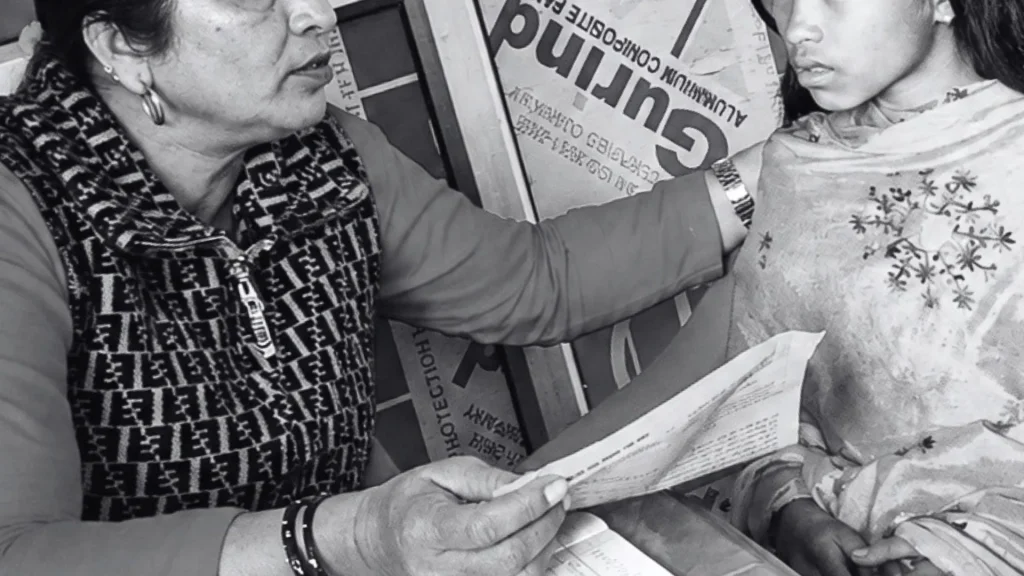
We cannot change an entire culture of gender violence overnight, but we can help change the trajectory of a girl’s life one scholarship at a time. The Captivating Village Program provides scholarships to impoverished girls in Nepal. By sending them to school, you can help them unleash their full potential and seek out opportunities for themselves so they no longer need to rely on the men in their lives for survival.
Donate today or learn more about the work we do.
DID YOU KNOW?

What Is A Love Scam and How Do They Work?
Learn how love scams work, recognize romance scam warning signs, and protect yourself…
0 Comments5 Minutes

Why Are Filipinos Not Talking About OSAEC?
Learn why conversations about online safety and OSAEC are often delayed in vulnerable…
0 Comments4 Minutes
International Day for the Eradication of Poverty: History and How to Help
Learn why the International Day for the Eradication of Poverty matters and how you can…
0 Comments9 Minutes
How To Protect Your Children Against Predators (आफ्ना बच्चाहरूलाई शिकारीहरूबाट कसरी जोगाउने)
अनलाइन यौन दुर्व्यवहार के हो भन्नेबारे जान्नुहोस् र आफ्ना बालबालिकालाई अनलाइन शोषण तथा…
0 Comments6 Minutes
Online Sexual Abuse Red Flags (अनलाइन यौन दुर्व्यवहार रातो झण्डा)
अनलाइन ग्रुमिङका चेतावनी संकेतहरू, देखिन सक्ने सामान्य संकेतहरू, र आफ्नो बच्चालाई अनलाइन…
0 Comments7 Minutes

Ligtas ba ang Anak Mo Online? Mga Senyales na Kailangang Bigyang-Pansin
Alamin kung paano makikilala at maunawaan ng mga magulang ang grooming at mapoprotektahan…
0 Comments13 Minutes

How To Make Children Feel Safe and Heard In Times of Emergency
Learn how to build trust with your children through open communication, empathy, active…
0 Comments4 Minutes
Australian Charities to Donate To Depending On Your Advocacy
Australian charities to donate to across health, food security, education, human…
0 Comments9 Minutes
How Less Screen Time Doesn’t Mean Less Risk From OSAEC
Reducing screen time isn't enough. Learn the offline factors that increase children's…
0 Comments4 Minutes