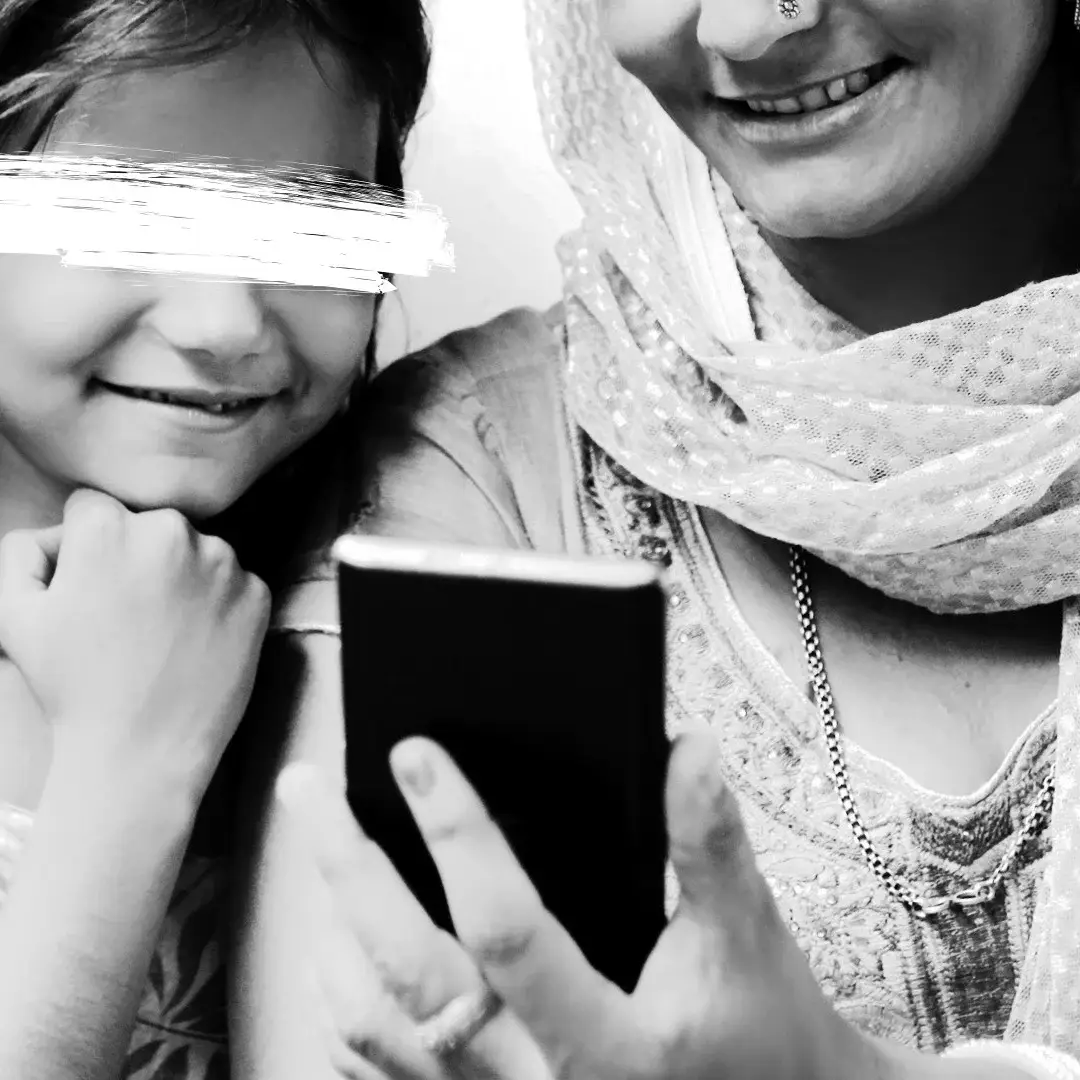
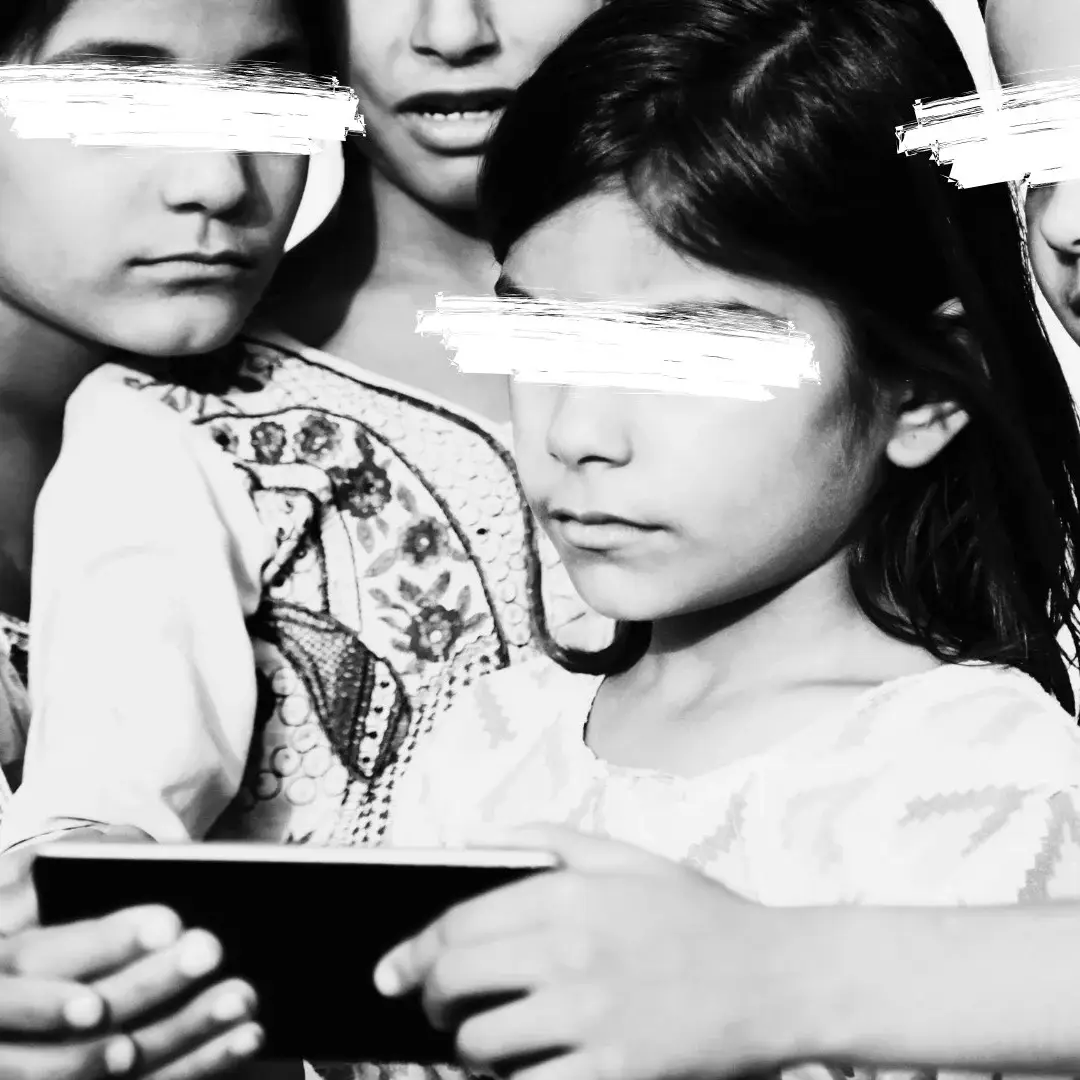
Online Sexual Abuse or Exploitation of Children (OSAEC) is a very serious risk that typically targets children from extremely poor backgrounds. With the Philippines becoming home to the country with the most time spent scrolling on social media, children’s involvement in online spaces is typically seen as a normal occurrence. Moreover, talking about difficult subjects is well…difficult—among parent-child relationships. By the time the topic of online safety is discussed, it could be too late.
In this short blog post, we will explain why conversations about online safety are often delayed to help you understand how to approach difficult conversations with ease with children in the future.

OSAEC is unheard of
Even though it may seem obvious to most, online safety is not really taken seriously, especially in low-income backgrounds. They see social media use as harmless and even a place to have opportunities. The Anti-OSAEC and CSAEM Law (Republic Act No. 11930) was only passed in 2022. Since it has only been considered a real crime not too long ago, many people in the most vulnerable communities are still starting to get acquainted with it.
Children are pressured to keep quiet
Those who are already victims of OSAEC are often manipulated by the predator to stay submissive to their requests. The method of keeping them silent is a long and deliberate process that typically begins with gaining the child’s trust by giving them gifts, to making the child emotionally and/or socially dependent on them. When they decide to turn away or speak about it, the predator will try more aggressive tactics like blackmail or coercion.
Talking about intimacy is a no-no
Patriarchal beliefs are deeply ingrained in the way of life of Filipinos, and so is the culture of shame. Even in modern times, women and girls are expected to be “proper”, meaning they must be innocent, submissive, pure, and never interested in sex, especially for minors. When a girl talks about it, she is socially punished for even daring to do it. Hence, the topic is avoided at all costs without realizing that not keeping an open line for conversations like this could lead to secrecy among children, even when someone is already taking advantage of them.
Legal Hurdles
Even when Anti-OSAEC has been passed as a law in recent years, many survivors and relatives have some hesitations regarding legal processes. Since the crime is done online, it would require tracking complex encryption, working with potentially anonymous data, and tracing cross-border financial transactions. These unfamiliar processes leave those who want to talk about it more intimidated to speak up.

How to help
There are active steps being taken to spread the word against OSAEC. Once the conversation becomes normalized in the community, more children would feel safer to talk about it. We partnered with Sanghaya Foundation in the Philippines for the Stop Cybersex Crime: Awareness and Education Program, where we reach vulnerable communities, inform them about it, how to prevent it, and how to take action once someone is a suspected victim. You may help children be safer in online spaces in Manila by supporting our cause and donating today.
DID YOU KNOW?

International Day for the Eradication of Poverty: History and How to Help
Learn why the International Day for the Eradication of Poverty matters and how you can…
0 Comments9 Minutes
How To Protect Your Children Against Predators (आफ्ना बच्चाहरूलाई शिकारीहरूबाट कसरी जोगाउने)
अनलाइन यौन दुर्व्यवहार के हो भन्नेबारे जान्नुहोस् र आफ्ना बालबालिकालाई अनलाइन शोषण तथा…
0 Comments6 Minutes
Online Sexual Abuse Red Flags (अनलाइन यौन दुर्व्यवहार रातो झण्डा)
अनलाइन ग्रुमिङका चेतावनी संकेतहरू, देखिन सक्ने सामान्य संकेतहरू, र आफ्नो बच्चालाई अनलाइन…
0 Comments7 Minutes

Ligtas ba ang Anak Mo Online? Mga Senyales na Kailangang Bigyang-Pansin
Alamin kung paano makikilala at maunawaan ng mga magulang ang grooming at mapoprotektahan…
0 Comments13 Minutes

How To Make Children Feel Safe and Heard In Times of Emergency
Learn how to build trust with your children through open communication, empathy, active…
0 Comments4 Minutes
Australian Charities to Donate To Depending On Your Advocacy
Australian charities to donate to across health, food security, education, human…
0 Comments9 Minutes
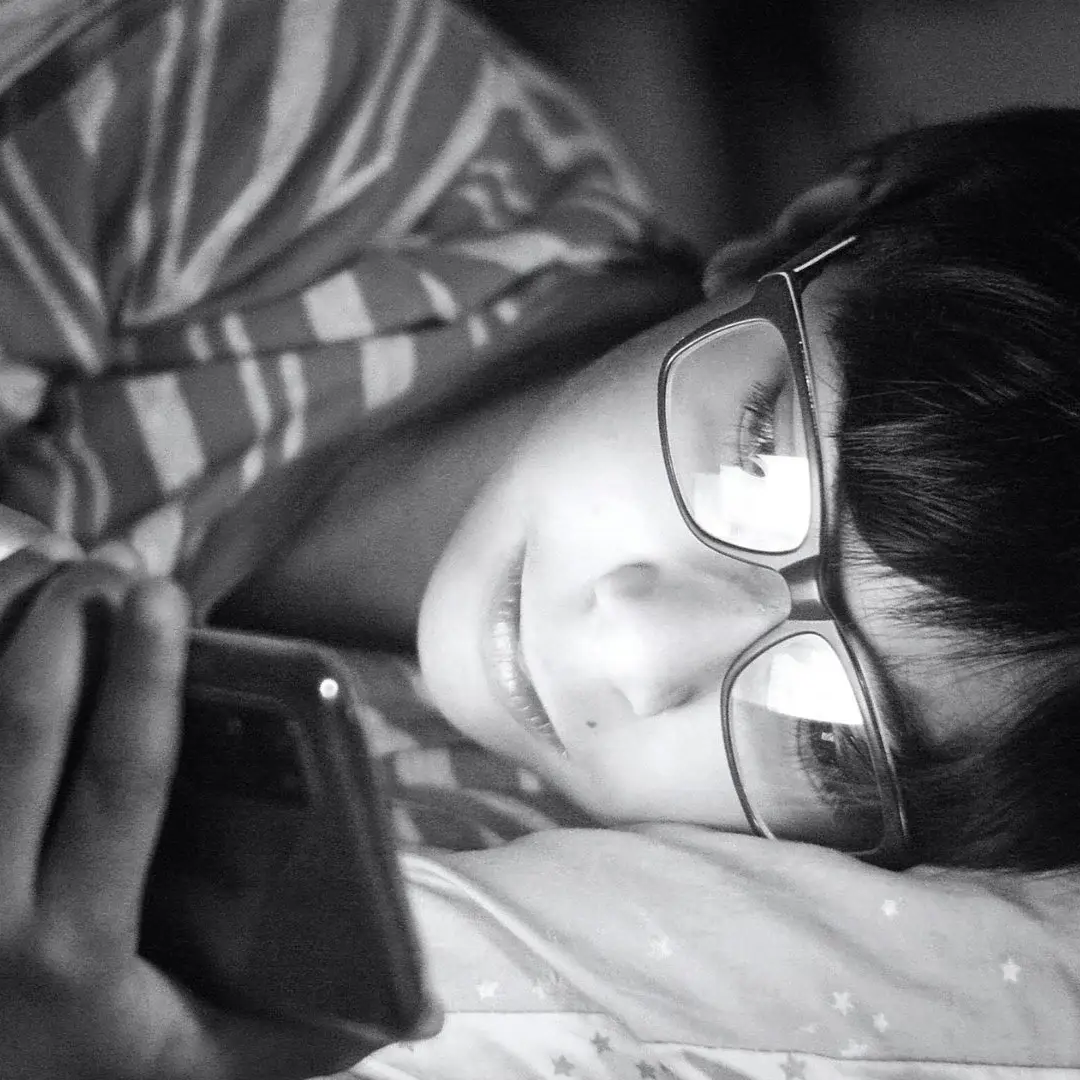
How Less Screen Time Doesn’t Mean Less Risk From OSAEC
Reducing screen time isn't enough. Learn the offline factors that increase children's…
0 Comments4 Minutes
Online Sexual Abuse Red Flags
Learn the warning signs of online grooming, common red flags, and practical tips to help…
0 Comments8 Minutes
How To Protect Your Children Against Predators
Learn what online sexual abuse is and discover practical tips to help protect your…
0 Comments7 Minutes