
In a country like Nepal, many forms of violence against women and children exist, such as child marriage, sexual assault, human trafficking, and other heinous crimes often committed against marginalized groups. As the whole world turns into the digital age, these crimes have only found their way into the online space, and predators have new ways to exploit women and especially children.
In this article, we will help you understand what online sexual abuse is and the dos and don’ts in protecting your children before it’s too late.
What is Online Sexual Abuse?
Online sexual abuse is the use of digital platforms as a means to abuse and/or exploit children sexually. Sometimes, it may coexist with offline child sexual abuse and with an online component. Millions of children are being exploited every year, and are often only given adult intervention until it’s too late.
Often, parents or children themselves are blamed for the children’s access to online platforms. But in a country where poverty is rampant, turning to social media use for entertainment is one of the most accessible forms of coping with one’s day-to-day life, especially when platforms are inherently designed to be addictive.
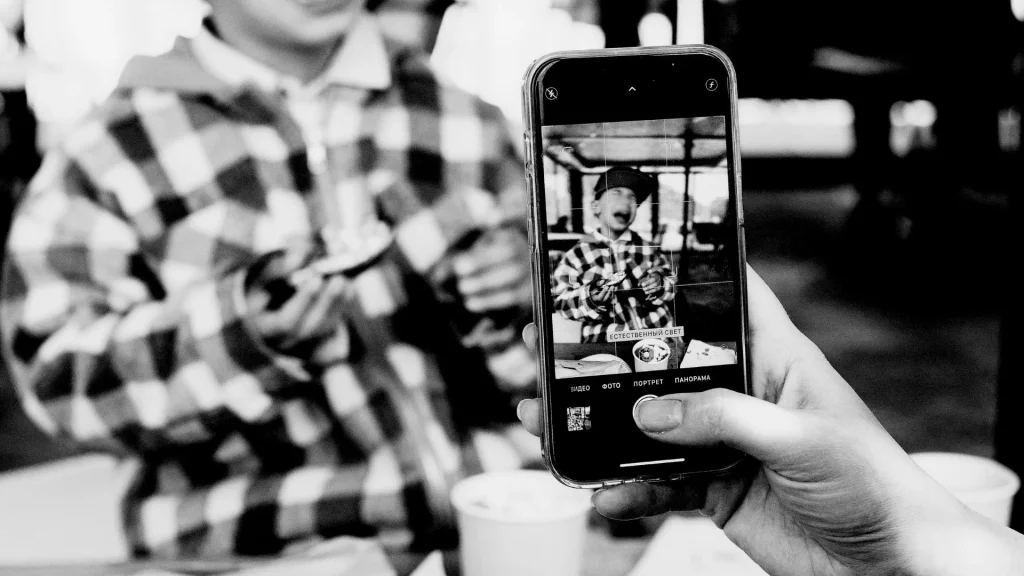
“Harmless” Posts by Parents
To parents, their children are their pride and joy. And in this age of oversharing and overconsumption of digital content, it is way too normalized to share every milestone and cute moment in various media formats.
What many people do not realize is that behind those flattering engagements of likes and comments, some people are hiding much more sinister intentions. A child’s photo or video could be easily downloaded and then AI-manipulated for explicit content. In just a few clicks, what was once a cute picture can then be sold anonymously in online black markets for child pornography. It is hard to wrap our heads around how people would want to see the appeal in content like this, but sadly, they exist, and there are many of them.
To protect your children, you can start with some of these dos and don’ts.
Do:
1. Set your accounts to private
It does not matter whether you have 10 or 10,000 friends on Facebook. You will never know what goes on behind other people’s computer screens. The solution? Lock your profiles, set them to private, and only allow trusted friends and family to access your information.
2. Blur or cover the faces of minors
Many people think that when they see a cute kid, they could just post it on their social media accounts. One may ask, “Is this even legal?” Well, it depends on which country you are posting it in. In Nepal, posting photos of minors without their parents’ consent could lead to legal repercussions like Act Relating to Children, 2075 and the Privacy Act, 2075. Moreover, as a parent or guardian, blurring or covering children’s faces could also protect them from AI-manipulated videos or reposts from malicious websites and communities.
3. Think before you post
Like all other life decisions, practicing intentionality in our actions could make a world of difference. In posting media containing children, consider asking yourself, ‘What am I trying to achieve with this? Does this drop of clout point outweigh the surging risks of real exploitation?
Don’t:
1. Post identifiers
School uniforms, prominent landmarks, plate numbers, and more—every familiar image is just one Google Images search away, so be mindful of the information that the images may hold.
2. Post private moments
Bath time photos, crying, or nap time moments—these moments of vulnerability are for you and your eyes only. If the child grows up to see these pieces of themselves on the internet, do you think they would be happy to see them there?
3. Interact with strangers
Some traffickers may dress themselves as seemingly trustworthy figures on the internet. After all, it only takes a bit of curation of pictures, captions, and shared content to build an online identity. If you haven’t done the first item in the earlier “Do” list yet, then this could be a good preventative second step.
Someone else posted my kid, what to do?
While you are trying your best to impose efforts in keeping your child’s privacy, others may not easily comprehend how carefully you value your child’s privacy, even when they have good intentions. There are many instances where children’s faces are posted all around the internet without the parents’ permission on various social media platforms. Although not always out of ill will, these harmless behaviors could cause real harm to the child and their parents. Here’s what to do when someone posts a picture of your child without your consent.
1. Talk to them.
Whether it’s a friend or a close relative, easily set a boundary about not posting your child online. You may explain to them how you think their actions could pose harm to your child. After all, YOU are the parent and not them.
2. Report
If the first step doesn’t work out, consider reporting their post to the platform or authorities since there is an act that already protects these children online.
Awareness goes a long way
Awareness is truly one big step towards safety. Unfortunately, those who are vulnerable are not always aware of these things or may not easily stumble upon awareness materials like this in their day-to-day lives. Some of the biggest victims of exploitation start with having a seemingly innocent photo of themselves posted on the internet. Be smarter, more discerning, and follow your instincts—and your children will thank you later.
DID YOU KNOW?
International Day for the Eradication of Poverty: History and How to Help
Learn why the International Day for the Eradication of Poverty matters and how you can…
0 Comments9 Minutes
How To Protect Your Children Against Predators (आफ्ना बच्चाहरूलाई शिकारीहरूबाट कसरी जोगाउने)
अनलाइन यौन दुर्व्यवहार के हो भन्नेबारे जान्नुहोस् र आफ्ना बालबालिकालाई अनलाइन शोषण तथा…
0 Comments6 Minutes
Online Sexual Abuse Red Flags (अनलाइन यौन दुर्व्यवहार रातो झण्डा)
अनलाइन ग्रुमिङका चेतावनी संकेतहरू, देखिन सक्ने सामान्य संकेतहरू, र आफ्नो बच्चालाई अनलाइन…
0 Comments7 Minutes

Ligtas ba ang Anak Mo Online? Mga Senyales na Kailangang Bigyang-Pansin
Alamin kung paano makikilala at maunawaan ng mga magulang ang grooming at mapoprotektahan…
0 Comments13 Minutes

How To Make Children Feel Safe and Heard In Times of Emergency
Learn how to build trust with your children through open communication, empathy, active…
0 Comments4 Minutes
Australian Charities to Donate To Depending On Your Advocacy
Australian charities to donate to across health, food security, education, human…
0 Comments9 Minutes
How Less Screen Time Doesn’t Mean Less Risk From OSAEC
Reducing screen time isn't enough. Learn the offline factors that increase children's…
0 Comments4 Minutes
Online Sexual Abuse Red Flags
Learn the warning signs of online grooming, common red flags, and practical tips to help…
0 Comments8 Minutes
How Can We Achieve Quality Education Across Nations?
Quality education is key to reducing poverty. This article explores global education gaps…
0 Comments8 Minutes