Every October 17, the world celebrates the International Day for the Eradication of Poverty. This year, the United Nations has announced the 2026-2028 theme: United for Peace and Human Rights, focusing on “Safe Homes for All” in 2026.
Poverty is one of the biggest (if not the biggest) and most complex problems that nations still struggle to fix to this day, making it the United Nations’ first Sustainable Development Goal.
Being poor goes beyond merely having little money or making below the poverty line. To be poor means to be vulnerable. It can mean limited access to education, healthcare, safe housing, food security, and opportunities to reach an individual’s full potential. There are a lot of things that the poor experience that those who did not live through it will never understand, but by recognizing it every 17th of October, the world can reach a deeper understanding and empathy for how the poor live and how we can look after each other through collective care.
In this blog post, we will talk about why we celebrate the International Day for the Eradication of Poverty, how it started, and how to help those in the trenches.
History
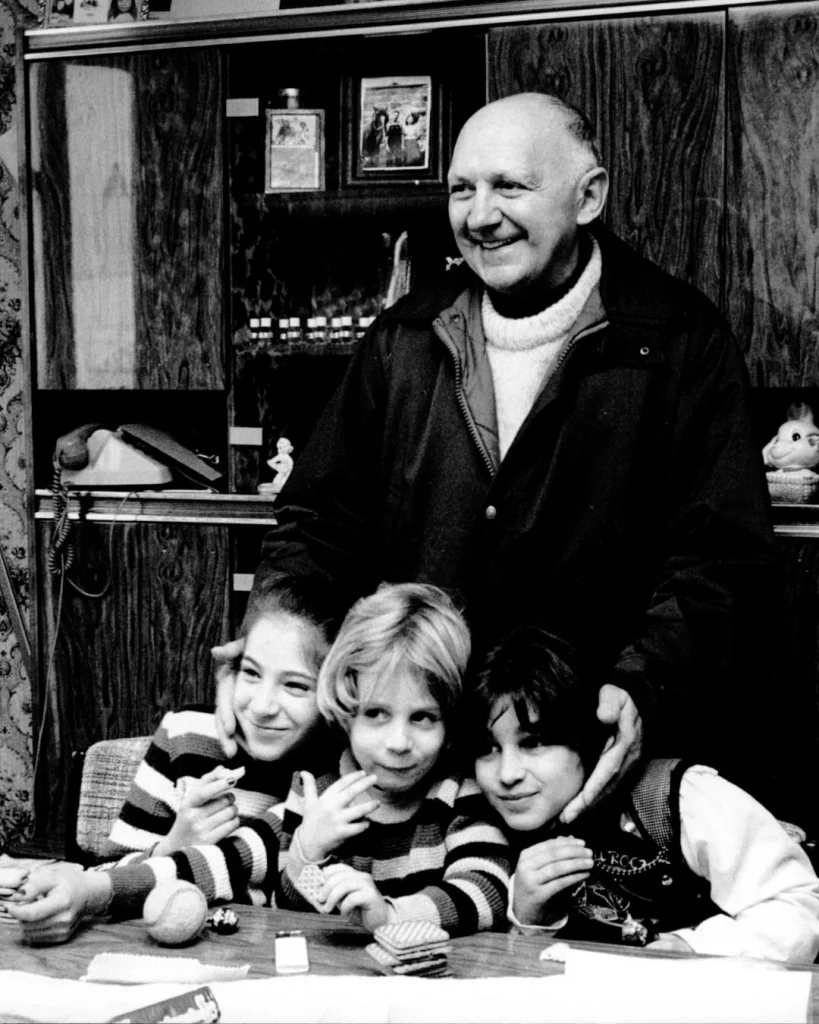
The year was 1957. A French priest and humanitarian activist named Joseph Wresinski founded one of the most important works of his life: the ATD Fourth World. It stands for Aide à Toute Détresse, directly translated as “Aid to All Distress” or “All Together in Dignity”. As a man who grew up in extreme poverty himself, he knew what the poor needed to survive a world that turns a blind eye to its struggles. Located in suburban France, it housed 250 homeless and displaced families and helped retain the dignity of the poor while encouraging the world to do the same.
He did something that many charities did not do at that time. Not only did he provide shelter for the poor, but he also reminded them of their power to speak up for themselves and be actively involved to make the change that they wanted for themselves. To him, the poor are not passive recipients of aid—they are individuals with full autonomy and power. While the rest of the world tries to approach their charitable endeavors by “giving voice for the voiceless”, Wresinski stood by them, handed them the megaphone, and let them amplify their voice for themselves.
Before Wresinski passed in 1988, he saw his life’s work move and spread among hundreds of thousands of people by 1982. For ATD Fourth World’s 25th anniversary, its participants launched its petition to the United Nations to look at the lives of the poor and recognize that poverty is not a mere personal failure—but a systemic problem and a violation of human rights. In 1987, he presented a report to France’s Economic and Social Council about the case of extreme poverty and economic and social insecurity. A little after that year, ATD Fourth World organized the iconic gathering in Paris.
On October 17, 1987, more than 100,000 people gathered around Trocadéro, Paris—the same historic location where the Universal Declaration of Human Rights was signed in 1948. Four months later, Wresinski passed peacefully—with his work pushing forward how the poor must be protected and forever leaving a mark in the lives of millions around the world.
It was only in 1992, five years after the gathering in Trocadéro, that the United Nations officially recognized the day. On December 22, 1992, the UN General Assembly designated October 17 as the International Day for the Eradication of Poverty.
Why We Celebrate It
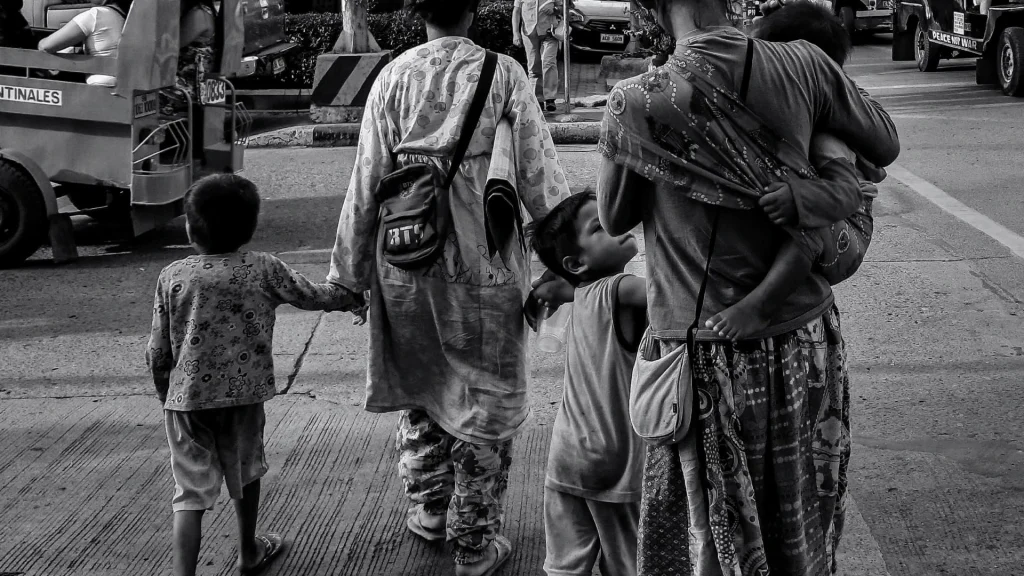
UN’s Sustainable Development Goal 1 (Alleviate Poverty) has a clear goal: “No Poverty” by the year 2030. Four years to that goal, extreme poverty is still widespread all around the world, affecting more than 824 million human lives in 2024, or about 10% of the world’s population. Despite global efforts to reduce poverty, this issue is far too complex to have a one-size-fits-all solution. If you are curious, we wrote a separate blog post about Factors to Alleviate Poverty in Nations.
Just like a poor boy who turned into a priest and made it his life’s work to make sure no one suffers the same fate—we remain optimistic that one day, more poor people will be empowered and more allies will stand beside them.
How To Celebrate
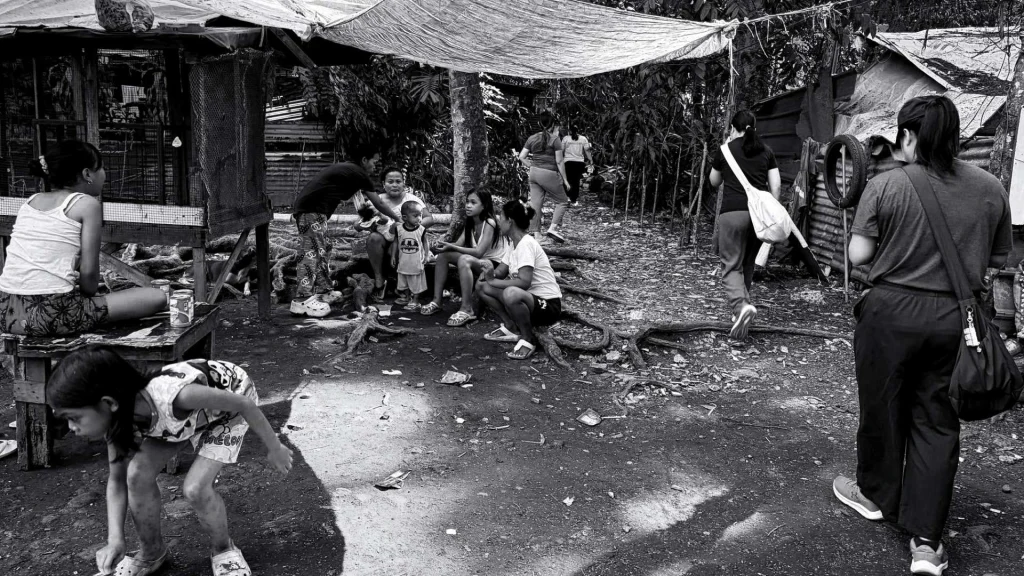
There are multiple ways to show support to those who live in poverty, and they may take shape in various ways depending on what is accessible to you.
Join in solidarity gatherings
If your city or community is organizing an assembly, join them! Every participation counts, as it is important to stand by the poor to let it be known that you do not support the human rights violations done to them.
Donate to anti-poverty charities
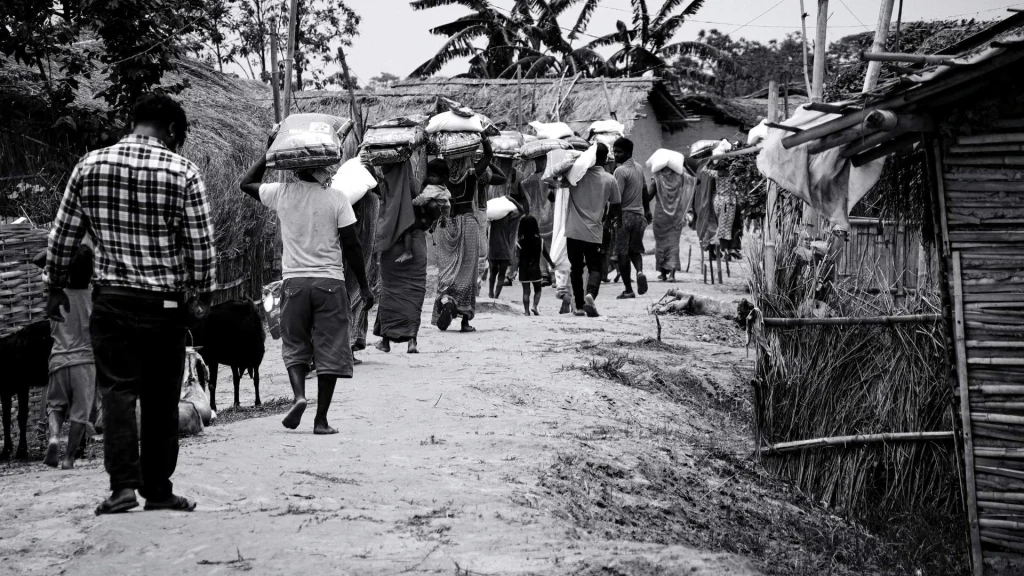
Material and financial help goes a long way. Donating to an anti-poverty charity like Captivating International helps directly send the help you give to those who are suffering from extreme poverty in Nepal, the Philippines, and Rural China.
Volunteer
Your time and energy are precious resources, and many organizations need your help. One solution to extreme poverty is education. When a child is educated he/she can expand their opportunities and make more informed decisions for themselves. You may help educate a child and rise from poverty by becoming a volunteer teacher in remote villages in Rural China.
Listen (really listen) to the poor
Real empathy does not need to experience one’s hardships first-hand. Sometimes, it is simply sitting next to a person who experienced it and listening to them without prejudice. Sometimes, all they need is an empathetic ear to hear them out before carrying on their own battles.
Raise awareness
People underestimate the power of influence that we have on each other. By simply talking about poverty every chance we get, we are helping the poor be heard in spaces where they may not even get the chance to talk about their plights themselves.
Conclusion
October 17 is not just a randomly chosen day when people decided to gather and speak up against poverty-driven human rights violations. It was decades of silent effort, intentional care, and genuine desire to make the world a better place for those who were frequently forgotten by society.
Celebrating this day not only means standing up for those in the trenches, but it also recognizes the work and sacrifices of those who came before us, as we honor their shared dream of preserving the dignity of the poor.
If you want to help alleviate poverty today, you may do one act for endless impact by donating today.
DID YOU KNOW?
How To Protect Your Children Against Predators (आफ्ना बच्चाहरूलाई शिकारीहरूबाट कसरी जोगाउने)
अनलाइन यौन दुर्व्यवहार के हो भन्नेबारे जान्नुहोस् र आफ्ना बालबालिकालाई अनलाइन शोषण तथा…
0 Comments6 Minutes
Online Sexual Abuse Red Flags (अनलाइन यौन दुर्व्यवहार रातो झण्डा)
अनलाइन ग्रुमिङका चेतावनी संकेतहरू, देखिन सक्ने सामान्य संकेतहरू, र आफ्नो बच्चालाई अनलाइन…
0 Comments7 Minutes

Ligtas ba ang Anak Mo Online? Mga Senyales na Kailangang Bigyang-Pansin
Alamin kung paano makikilala at maunawaan ng mga magulang ang grooming at mapoprotektahan…
0 Comments13 Minutes

How To Make Children Feel Safe and Heard In Times of Emergency
Learn how to build trust with your children through open communication, empathy, active…
0 Comments4 Minutes
Australian Charities to Donate To Depending On Your Advocacy
Australian charities to donate to across health, food security, education, human…
0 Comments9 Minutes
How Less Screen Time Doesn’t Mean Less Risk From OSAEC
Reducing screen time isn't enough. Learn the offline factors that increase children's…
0 Comments4 Minutes
Online Sexual Abuse Red Flags
Learn the warning signs of online grooming, common red flags, and practical tips to help…
0 Comments8 Minutes
How To Protect Your Children Against Predators
Learn what online sexual abuse is and discover practical tips to help protect your…
0 Comments7 Minutes
How Can We Achieve Quality Education Across Nations?
Quality education is key to reducing poverty. This article explores global education gaps…
0 Comments8 Minutes